

Hey there! As a rosin glue supplier, I often get asked about the setting time of rosin glue. It's a crucial factor that can make or break a project, whether you're a DIY enthusiast or a professional in the woodworking, packaging, or electronics industry. So, let's dive right in and explore what the setting time of rosin glue is all about.
What is Rosin Glue?
Before we talk about setting time, let's quickly go over what rosin glue is. Rosin is a natural resin derived from pine trees. It's been used for centuries in various applications, from musical instrument bows to adhesives. Rosin glue is made by processing this natural resin to create a sticky substance that can bond different materials together.
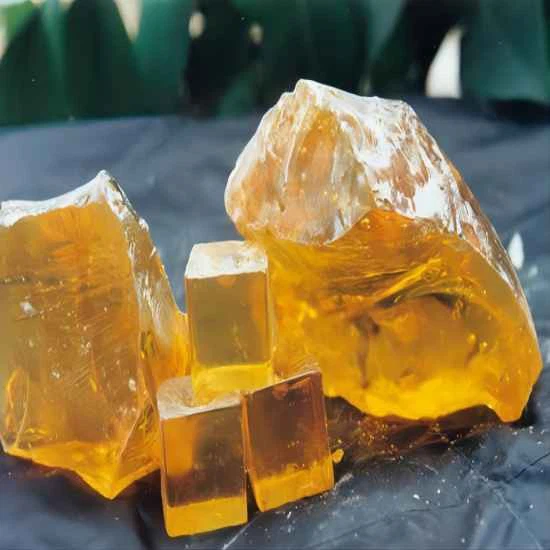
There are different types of rosin glue available in the market, each with its own unique properties. You can find Pure Rosin, which is made from high - quality, unadulterated rosin. Then there's Quality Rosin, which is often refined to meet specific industry standards. And of course, Natural Rosin, which retains most of its natural characteristics.
Factors Affecting the Setting Time of Rosin Glue
The setting time of rosin glue isn't a fixed value. It can vary depending on several factors.

1. Temperature
Temperature plays a huge role in how fast rosin glue sets. In general, higher temperatures speed up the setting process. When it's warm, the molecules in the glue move more freely, allowing them to bond with the surfaces more quickly. For example, if you're working in a hot workshop during summer, your rosin glue might set in just a few minutes. On the other hand, in cold environments, the setting time can be significantly longer. If it's freezing outside, you might have to wait hours for the glue to set properly.
2. Humidity
Humidity is another important factor. High humidity can slow down the setting time of rosin glue. Moisture in the air can interfere with the bonding process. The glue needs to evaporate its solvents to set, and when there's a lot of moisture in the air, this evaporation process is hindered. So, if you're working in a humid climate, you'll need to be patient and give the glue more time to dry.
3. Type of Surface
The type of surface you're applying the rosin glue to also affects the setting time. Porous surfaces, like wood, absorb the glue to some extent. This can slow down the setting process as the glue has to penetrate the pores before it can form a strong bond. Non - porous surfaces, such as metal or glass, usually allow the glue to set faster because there's less absorption.
4. Thickness of the Glue Layer
The thickness of the glue layer matters too. A thicker layer of rosin glue will take longer to set compared to a thin one. This is because the solvent in the thicker layer has more volume to evaporate, and the bonding process has to occur throughout the entire thickness of the glue. So, when applying rosin glue, try to keep the layer as thin as possible while still ensuring good coverage.
Typical Setting Times
Now, let's talk about some typical setting times for rosin glue. Under normal conditions (around 20 - 25°C and 40 - 60% humidity), a thin layer of rosin glue on a non - porous surface might set in 10 - 15 minutes. However, it might take up to 30 minutes to an hour for the glue to reach its full strength.
On a porous surface like wood, the setting time can be a bit longer. A thin layer might take 15 - 20 minutes to set, and it could take 1 - 2 hours for the bond to become strong enough to handle light stress.
If you're working in less - than - ideal conditions, like in a cold or humid environment, these times can double or even triple. So, it's always a good idea to test the glue on a small area first to get an idea of how long it will take to set in your specific situation.
Importance of Knowing the Setting Time
Understanding the setting time of rosin glue is crucial for several reasons.
1. Project Planning
If you're working on a project with a tight deadline, knowing how long the glue will take to set helps you plan your work schedule. You can time each step of the project accordingly, ensuring that you don't waste time waiting for the glue to dry or, worse, try to move the bonded parts before the glue has set properly.
2. Quality of the Bond
Allowing the glue to set for the appropriate amount of time is essential for a strong and durable bond. If you try to use the bonded parts too soon, the bond might not be fully formed, leading to weak joints that can break easily. On the other hand, if you wait too long, it might be difficult to make any adjustments to the position of the parts.
Tips for Controlling the Setting Time
If you need to speed up or slow down the setting time of rosin glue, here are some tips:
Speeding up the Setting Time
- Use a heat gun: A heat gun can be used to gently warm the glued area. Just make sure not to overheat the glue, as this can cause it to break down or become brittle.
- Increase ventilation: Good ventilation helps the solvents in the glue evaporate faster, which speeds up the setting process. Open windows or use a fan to circulate the air.
Slowing down the Setting Time
- Work in a cooler area: If you need more time to position the parts, move your work to a cooler room. The lower temperature will slow down the setting process.
- Cover the glued area: You can cover the glued area with a damp cloth or plastic wrap to keep the humidity around the glue high, which will slow down evaporation and the setting process.
Conclusion
So, there you have it! The setting time of rosin glue is influenced by temperature, humidity, the type of surface, and the thickness of the glue layer. By understanding these factors and knowing the typical setting times, you can make the most of rosin glue in your projects.
If you're interested in purchasing high - quality rosin glue for your next project, don't hesitate to reach out. We're here to provide you with the best products and answer any questions you might have. Whether you need Pure Rosin, Quality Rosin, or Natural Rosin, we've got you covered. Let's start a conversation and see how we can help you achieve great results with rosin glue.
References
- "Handbook of Adhesives and Sealants" - A comprehensive guide on adhesives that includes information on rosin - based glues.
- Industry research papers on the properties and applications of rosin glue.