

Hey there! As a supplier of raw linseed oil, I often get asked about how this amazing product dries. So, I thought I'd dive into the nitty - gritty of the drying process of raw linseed oil in this blog post.
What is Raw Linseed Oil?
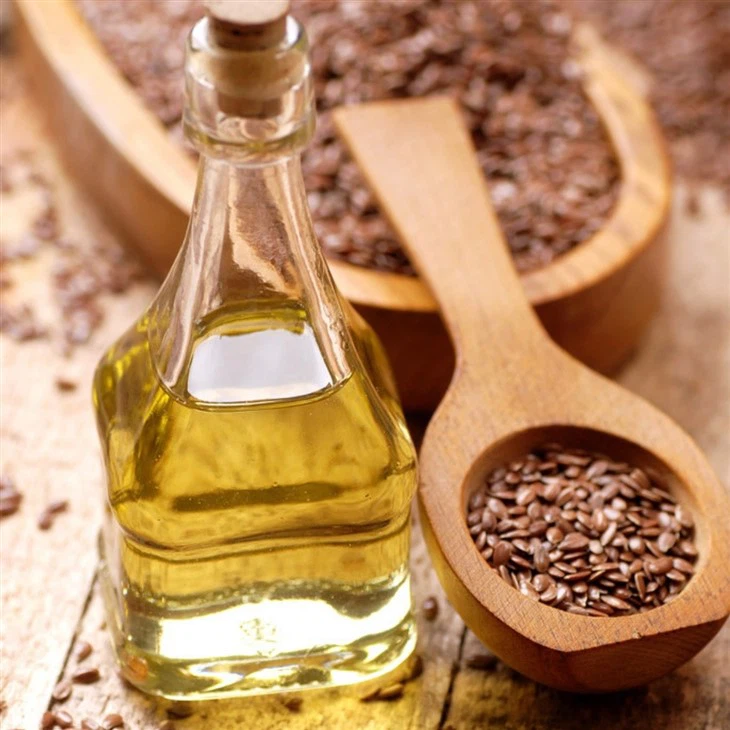
First things first, let's talk a bit about what raw linseed oil is. It's derived from the seeds of the flax plant. Linseed oil has been used for centuries in various applications, from wood finishing to art. There are different types of linseed oil out there. For example, Edible Linseed Oil is a type that's safe for human consumption and is rich in omega - 3 fatty acids. And if you're interested in where it's made, check out Edible Linseed Oil. Then, there's Pure Cold - Pressed Linseed Oil – 100% Natura, which is obtained through a cold - pressing method, retaining all its natural goodness.
The Drying Mechanism
Raw linseed oil is what we call a "drying oil." But what does that mean? Well, when you apply raw linseed oil to a surface, it doesn't just evaporate like water. Instead, it undergoes a chemical reaction called oxidation. Oxidation is a process where the oil reacts with oxygen in the air.
The main components of linseed oil are triglycerides, which are esters formed from glycerol and fatty acids. The fatty acids in linseed oil are mainly polyunsaturated fatty acids, like linolenic acid. These polyunsaturated fatty acids have multiple double bonds in their chemical structure. When exposed to air, the double bonds in these fatty acids react with oxygen molecules.
This reaction forms free radicals. Free radicals are highly reactive molecules that can cause the fatty acid chains to link together. As more and more of these linkages form, the oil starts to transform from a liquid state to a solid or semi - solid state. This is what we see as the "drying" of the linseed oil.
Factors Affecting the Drying Time
There are several factors that can influence how long it takes for raw linseed oil to dry.
Temperature
Temperature plays a huge role. In general, warmer temperatures speed up the oxidation process. At higher temperatures, the molecules in the oil and the oxygen in the air are more energetic. This means that the chemical reactions between the oil and oxygen happen more quickly. For example, if you apply raw linseed oil in a room that's around 70°F (21°C), it might take a few days to dry. But if the temperature drops to 50°F (10°C), the drying time can be significantly extended, maybe even up to a week or more.
Humidity
Humidity is another important factor. High humidity can slow down the drying process. Water in the air can interfere with the oxidation reaction. The water molecules can get in the way of the oxygen molecules reacting with the oil. So, in a very humid environment, the raw linseed oil will take longer to dry. On the other hand, in a dry environment, the drying will be faster.
Thickness of the Application
How thickly you apply the linseed oil also matters. If you apply a thick layer of oil, it will take longer to dry compared to a thin layer. This is because oxygen needs to penetrate through the oil to reach the deeper layers. In a thick layer, it takes more time for the oxygen to reach all parts of the oil and for the oxidation reaction to occur throughout the entire layer.
Surface Porosity
The porosity of the surface you're applying the oil to can affect drying time. A porous surface, like untreated wood, will absorb the oil more readily. This can actually speed up the drying process as the oil is spread out over a larger area and has more exposure to oxygen. In contrast, a non - porous surface, like a plastic or a well - sealed metal surface, may cause the oil to sit on top, and it might take longer to dry.
The Stages of Drying
The drying of raw linseed oil happens in a few distinct stages.
Initial Drying
Right after you apply the oil, the initial stage is when the oil starts to lose its wet, shiny appearance. This is the beginning of the oxidation process. The oil starts to form a thin skin on the surface. This can happen within a few hours to a day, depending on the factors we discussed earlier.
Touch - Dry Stage
After the initial drying, the oil reaches the touch - dry stage. At this point, you can gently touch the surface without getting oil on your fingers. However, the oil is still not fully cured. It might feel a bit tacky, and it can still be easily damaged. This stage usually occurs within a couple of days.
Full Curing
Full curing is when the oil has completely hardened and is fully resistant to damage. This can take anywhere from a few weeks to a few months. During this time, the oxidation reaction continues to occur at a slower pace, and the oil becomes more and more stable.
Applications and the Drying Process
The drying process of raw linseed oil is crucial for its various applications.
Wood Finishing
In wood finishing, the slow - drying nature of raw linseed oil can be both a blessing and a curse. On one hand, it allows the oil to penetrate deep into the wood fibers, providing a long - lasting and natural finish. The oil enhances the wood's natural beauty and protects it from moisture and wear. On the other hand, the long drying time means that you have to be patient. You might need to wait several days between coats if you're applying multiple layers for a more durable finish.
Art
In the art world, raw linseed oil is used as a medium for oil paints. Artists appreciate the slow - drying property as it gives them more time to work on their paintings. They can blend colors and make adjustments without the paint drying too quickly. However, they also have to plan their work around the drying time to avoid smudging or ruining the painting.
Tips for Faster Drying
If you're in a hurry and want the raw linseed oil to dry faster, here are some tips.
Use a Drying Agent
There are drying agents available that can be added to the linseed oil. These agents contain substances that can catalyze the oxidation reaction. However, you need to be careful when using them, as they can sometimes affect the quality of the finish.

Increase Ventilation
Good ventilation can help speed up the drying process. By increasing the airflow around the surface with the applied oil, you're ensuring that there's a constant supply of fresh oxygen. You can use fans or open windows to improve ventilation.
Conclusion
Understanding how raw linseed oil dries is essential whether you're a DIY enthusiast, an artist, or a professional in the woodworking industry. The oxidation process, along with the factors that affect drying time, gives us insights into how to use this wonderful product effectively.
If you're interested in purchasing raw linseed oil for your projects, I'd love to have a chat with you. Whether you need it for wood finishing, art, or any other application, we've got the high - quality raw linseed oil you're looking for. Reach out to us to discuss your needs and start your next project with confidence.
References
- Paint and Coating Technology: Principles, Procedures, and Practices by David A. Bender
- The Chemistry of Paints and Coatings by Zeno W. Wicks Jr., Frank N. Jones, and S. Peter Pappas