


Wangmo County Tonghong Trading Co., Ltd
Wangmo County Tonghong Trading Co., Ltd , established in 2010, is an international trading company integrating R & D, production, sales and consignment. Our company from the establishment up to now, has an area of more than 900 acres of factories and planting base, the laboratory is also beginning to take shape at the present stage.Has many years of product sales experience and excellent customer resources.
Why Choose US
Our Factory
Wangmo County Tonghong Trading Co., Ltd , established in 2010, is an international trading company integrating R & D, production, sales and consignment. Our company from the establishment up to now, has an area of more than 900 acres of factories and planting base, the laboratory is also beginning to take shape at the present stage.
Our Product
At present, it specializes in the import and export business of tung oil and its related by-products. Also, the company has dealt in agricultural and sideline products such as oil tea seeds, camellia oil and linseed oil since 2015.
Our Certificate
Our management system has passed ISO9001 international certification. We also have a lot of patented production equipment.
Our Service
Our professional staff will follow up in time. We will carefully understand the needs of customers to provide customers with intimate service.

Rosin is used as a paper binder in the paper industry. Rosin and caustic soda to make rosin sodium soap, that is, glue, glue and pulp mixed and added alum, so that rosin into water insoluble free resin acid particles attached to small fibers, when the pulp is rolled on the drying cylinder heating, rosin softening and filling between the fibers, this effect is called "gluing" or "sizing". After the paper is "glued", it can enhance water resistance, prevent ink penetration, improve strength and smoothness, and reduce scalability.

Due to the solubility and volatility of rosin, and the principle that it can quickly condense into a layer of "solid and transparent film" after volatilization, painters generally make "fixed painting" liquid in order to protect the picture and prevent the "sketch painting" from being wiped off, that is, one part rosin powder, nine parts alcohol, or xylene solvent ratio, first put rosin into a better sealed glass, and then put the alcohol, Or xylene pour in, cover, and dissolve by itself after two days. When used, shake and pour into the watering can, 20 cm away from the picture, evenly spray to the picture, spray at any time, volatilize at any time, dry after a few minutes, and then not afraid to be rubbed off.

Rosin is applied to the bow hairs of erhu, violin and other instruments to increase the friction of the bow hairs against the strings. After refining the transparent color block rosin is the best, and the natural crystal rosin secreted from the pine can also be used instead. Now the more popular is "incense", which means that the rosin is directly wiped back and forth on the bow hair. It'll last at least an hour after this rosin rub.

Adhesives based on rosin esters and hydrogenated rosin esters are commonly used as hot melt adhesives, pressure sensitive adhesives and rubber viscosifiers. Rosin is used as a softener in the rubber industry to increase its elasticity. Disproportionated rosin potassium soap can be used as synthetic rubber.
What is Pure Rosin
Rosin is a type of oil tree resin in the pine family, mainly composed of C19H29COOH. Divided into three types: resin rosin, wood rosin, and floating oil rosin. cannabis concentrate that's created without the use of any harsh solvents or chemicals. That's rosin. In simple terms, rosin is a pure and potent extract obtained through a solventless extraction process. It's like capturing the essence of the cannabis plant in its most concentrated and natural form.
Advantages of Pure Rosin
Solvent-Free Purity
One of the primary benefits of rosin extraction is its solventless nature. Unlike some traditional extraction methods that use solvents like butane or CO2, rosin extraction relies solely on heat and pressure. This absence of solvents ensures a purer concentrate, free from residual chemicals, and appeals to consumers seeking a more natural and untainted cannabis experience.
Full Spectrum of Cannabinoids
Rosin extraction retains the full spectrum of cannabinoids present in the original cannabis plant. This includes not only THC (tetrahydrocannabinol), responsible for the psychoactive effects, but also a range of other cannabinoids with potential therapeutic benefits. The full spectrum approach contributes to a more comprehensive and nuanced cannabis experience.
Preservation of Terpenes
Terpenes are aromatic compounds found in cannabis that contribute to its distinctive flavors and aromas. Rosin extraction is known for preserving these delicate terpenes, resulting in a concentrate that captures the essence of the original strain. The preservation of terpenes enhances the overall flavor profile and aromatic experience.
Potency and Efficiency
Rosin extraction yields a potent concentrate due to the concentrated nature of the process. The resulting rosin often boasts higher THC levels, providing consumers with an efficient and effective means of achieving their desired effects. This potency is particularly appealing to those seeking a strong and immediate experience.
The Application Field of Pure Rosin
Soap Industry
Rosin is steamed with soda ash or caustic soda to form rosin soap. Rosin soap has great deterring power, soluble in water, can dissolve grease, easy to foam. Rosin is sticky and makes the soap less prone to cracking.
Paper Manufacturing Industry
Rosin is used as a paper binder in the paper industry. Rosin and caustic soda to make rosin sodium soap, that is, glue, glue and pulp mixed and added alum, so that rosin into water insoluble free resin acid particles attached to small fibers, when the pulp is rolled on the drying cylinder heating, rosin softening and filling between the fibers, this effect is called "gluing" or "sizing". After the paper is "glued", it can enhance water resistance, prevent ink penetration, improve strength and smoothness, and reduce scalability.
Painting And Coating Industry
Rosin is easily soluble in various organic solvents, and easy to form a film, shiny, is one of the basic raw materials of paint coatings. The function of rosin in the paint is to make the color of the paint bright, dry quickly, and the paint film smooth and not easy to fall off.
Ink Industry
Rosin is mainly used as a color carrier in printing inks and enhances the adhesion of the ink to the paper. If you do not use rosin in the ink, the printed ink will be dull and blurred.
Rosin is made from pure marijuana or hemp flower. The fresher, the better.
Depending on the temperature and pressure used, the rosin can contain concentrations of THC up to 80%.
Terpenes will also naturally be included in rosin, as will trace amounts of other minor cannabinoids. These compounds are normally lost in the extraction process from high heat or the use of caustic solvents.
Most individuals who make their own rosin use a device aptly referred to as a "rosin press," which is a hydraulic or mechanical press with heated pressing plates.
Generally, rosin comes from pressed marijuana or hemp flower, but it can come from kief or hash as well.
Before pressing the marijuana or hemp flower, it needs to be enveloped in 35-pound parchment paper to prevent impurities and plant matter in the finished product.
The heated pressing plates then compact the parchment-wrapped flower at a consistent heat and pressure. The rosin is eventually forced out of the flower and scraped off the parchment paper.

Most commercial rosin is between 75% and 85% THC. For comparison, marijuana flower from dispensaries is usually between 15% and 25%, depending on the strain. As such, rosin is about four times as potent as marijuana flower.
Homemade rosin varies wildly in purity, especially if you use a homemade press to make it. You can reasonably expect around 40% to 60% purity for homemade rosin.
The amount of THC in rosin by weight depends on the plant used to make it. For example, medical strains that reach THC levels around 30% will naturally produce a rosin higher in THC content. Strains around the 15% THC level produce less potent rosin.
Rosin needs to be heated to convert the THCa to THC, which produces the psychoactive effects. The most common way to consume rosin is to smoke it or vape it, but some people make edibles with it instead.
Most people use a dabbing rig to enjoy their rosin. The bowl is heated to the desired temperature, and then the user inhales through the mouthpiece while placing a small amount of the rosin wax into the bowl. A bowl cover - usually called a carb cap - is typically used to direct airflow around the bowl to ensure all rosin is heated and consumed.
Some users simply add a small dab of rosin with the flower or in a bong, pipe, bowl. Others roll small amounts of rosin into joints or blunt before smoking. The rosin heats up with the flower right before it's inhaled.

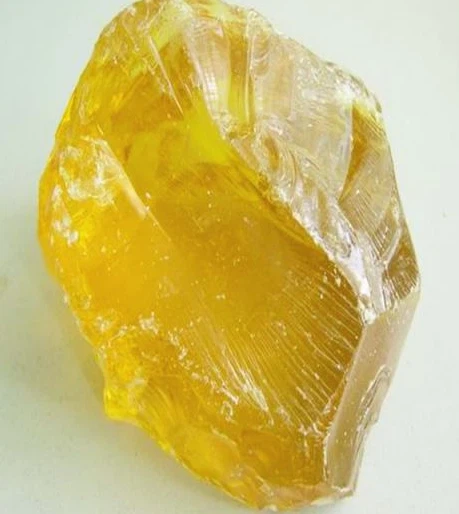
Many THC and CBD users confuse rosin and live resin because of the similar name and the appearance of the product.
There are a few key differences between the two; the most important is the production method.
Make rosin by introducing marijuana or hemp flower or kief to high pressure and heat. It's considered a more natural product than most others since its production doesn't require solvents or chemicals.
Live resin is made by cryogenically freezing plant matter after harvesting. Then butane or propane is used to extract the desired compounds - delta 9 THC, delta 8 THC, or CBD. Although the process removes the hydrocarbon solvent before sale or consumption, live resin is considered less natural than rosin.
Taste is another crucial difference between rosin and live resin. Rosin naturally contains terpenes, which contribute to the flavor when smoking. Most users report that rosin tastes better than smoking flowers.
Extraction Process
To create rosin from bubble hash, dry sift, or cannabis flower with a rosin press:
Put your dried bubble hash, dry sift, or cannabis flower in a rosin bag using a stainless steel funnel (preferably pre-chilled) and fold over the open end of the bag. We recommend our 25μg mesh filter bags for pressing bubble hash or dry sift and 160μg bags for flower. For very pure extracts like bubble hash, it's worth double-bagging your material.
Tuck the folded mesh filter bag inside the folded end of a piece of extra-thick parchment paper and place this parchment paper "sandwich" between the rosin press plates.
Heat the plates to the desired temperature (see our rosin press temperature guide). For the greatest accuracy, you can use an accessory like our LT3 Heat Controller to measure and correct the heat distribution on the plates. This now comes as a standard option with all of our presses!
Press the plates together using a pump. This could be a hand pump, hydraulic pump, pneumatic pump, or hybrid pump. We generally recommend a pressure of between 300 to 900 platen PSI for bubble hash and dry sift and up to 4000 platen PSI for flower.
Once the rosin starts flowing out, you can jar it, whip it (optional), or smoke it right away.
If jarring the rosin, leave the jars uncapped until the rosin reaches room temperature.
Once the rosin has cooled, seal the jars and store them in a fridge or freezer, or move on to hot or cold curing to create a wide range of textures.
Factors Affecting Live Rosin Quality
To ensure the best experience with live rosin, several factors play a crucial role in determining its overall quality:
Temperature
To utilize live rosin to its fullest capacity, the appropriate temperature must be maintained while consumption. Lower temperatures (about 315-450°F or 157-232°C) provide for a more delicious and terpene-rich experience when dabbing or vaporizing live rosin, whilst higher temperatures can produce more robust and intense effects.
Humidity
To maintain the quality of live rosin, it is crucial to store it in a cool, dry atmosphere. The concentrate's flavor, strength, and consistency can be affected by prolonged exposure to heat, light, or moisture.
Selection of the Strain
The final result is directly influenced by the quality of the cannabis strain that was utilized to make the live rosin. Each strain has its own special terpene and cannabinoid profile, which gives rise to its flavors, fragrances, and effects.
Making High Quality Rosin

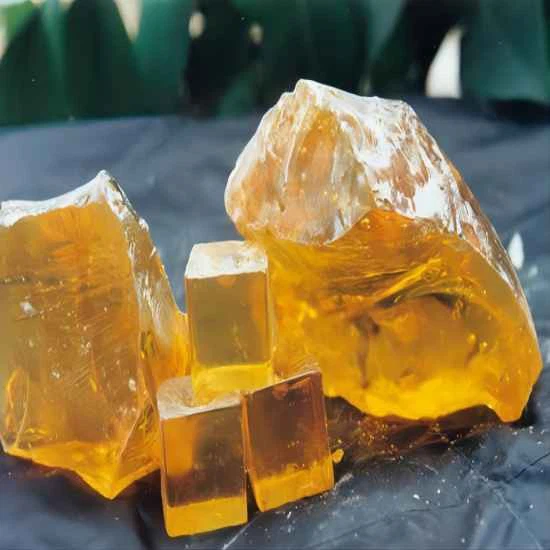
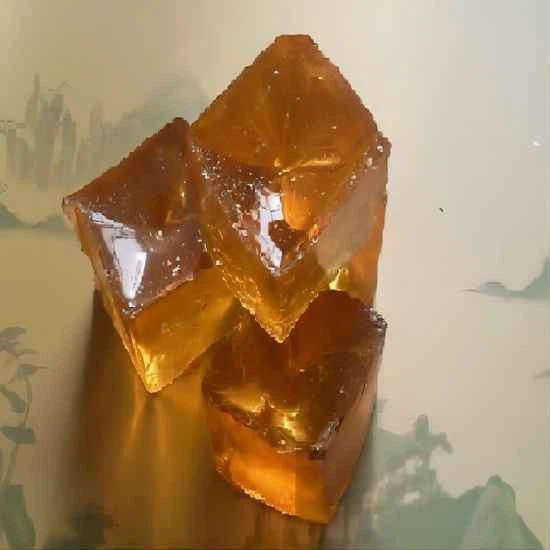

Choose the BEST Materials
When you set out to make rosin, the quality and freshness of the plant material you start with is one of the greatest factors in the quality of your final rosin. It's always good to remember that if you put high-quality materials into your rosin press, you're much more likely to get high-quality rosin out.
Quality is also affected by the freshness of your source material. Most often, you'll get the best results from flower that's pressed as soon after it's dried and cured as possible. The longer you wait, the darker your rosin will be, so always try to press flower when it's as fresh as possible.
How well the plants were cared for during their growth and flowering cycles can have more of an impact on the final rosin product than the growing medium used.
Choose the BEST Humidity
It's fairly common for those new to pressing rosin to experience low yields and lower quality rosin because their flower or plant material was too dry. Plant material that's too dry acts like a sponge, soaking up the rosin you're working to extract. Once the trichomes and oils begin to heat up and separate from the plant material, they'll get reabsorbed back into the plant material if it's too dry, rather than flowing out and onto your collection pad or parchment paper. It's recommended that for optimum results the relative humidity content of the flower or plant material you intend to press into rosin should be between 55%-62%.
Choose the BEST Temperature
The amount of heat and pressure applied to your plant material by the rosin presses heated plates (as well as how evenly each is distributed) will determine the speed and consistency that the trichomes liquify. There is debate about temperature when you press rosin, with some preferring a "cold press" method and others the "hot press" method.
Cold Press Method
Press at 160°F/71°C - 190°F/87°C for 1 - 5 minutes. Produces a thick, batter-like consistency with excellent terpene preservation, but has been known to produce lower yields.
Hot Press Method
Press at 190°F/87°C - 220°F/104°C for 45 seconds - 3 minutes. Typically produces oily or shatter-like consistency product. Excellent terpene preservation at 220°F or below, often with higher yields than the cold press method.
Choose the BEST Pressure
Remember that the ideal PSI ranges from 300 to 1000, with more pressure required for flower and less for dry sift and similar products.
Ideal PSI for Dry Sift/Kief: 400 to 800 psi
Ideal PSI for Flower: 600 to 1000 psi
FAQ
Hot Tags: pure rosin, China pure rosin manufacturers, suppliers, factory, rosin for vinyl flooring, rosin for snowmobiles, Bulk Rosin, rosin for sandstone furniture, rosin for blackjack tables, rosin for card games


