

Natural rosin, a versatile and valuable material, has found extensive applications in the rubber industry. As a leading supplier of natural rosin, I am delighted to share insights into how this remarkable substance is utilized in rubber manufacturing.
1. Introduction to Natural Rosin
Natural rosin is a solid form of resin obtained from pine trees and other conifers. It is a complex mixture of organic compounds, primarily abietic acid and its isomers. The extraction process involves tapping the trees to collect the oleoresin, which is then distilled to separate the volatile turpentine from the rosin. This natural origin gives rosin unique properties that make it highly desirable in various industrial applications, including the rubber industry.
The chemical structure of natural rosin provides it with excellent adhesive, tackifying, and softening properties. These characteristics are crucial in rubber processing, as they enhance the performance and quality of rubber products. For more information on high - quality natural rosin, you can visit Quality Rosin.
2. Tackifying Agent in Rubber Compounding
One of the most significant uses of natural rosin in the rubber industry is as a tackifying agent. Tack is the property of a material to adhere to another surface upon brief contact. In rubber compounding, tack is essential during the manufacturing process, especially when multiple rubber layers need to be joined together.
When natural rosin is added to rubber compounds, it increases the surface tack of the rubber. This is particularly important in the production of tires, conveyor belts, and rubber hoses. In tire manufacturing, for example, multiple layers of rubber, including the tread, sidewall, and inner liner, need to be assembled. The tack provided by natural rosin ensures that these layers bond firmly during the vulcanization process, preventing delamination and improving the overall durability of the tire.
The mechanism behind the tackifying effect of natural rosin lies in its ability to lower the glass transition temperature (Tg) of the rubber compound. A lower Tg makes the rubber more flexible and sticky at room temperature, facilitating the adhesion between different rubber components. Moreover, natural rosin has good compatibility with various types of rubber, such as natural rubber (NR), styrene - butadiene rubber (SBR), and butadiene rubber (BR). This wide compatibility allows it to be used in a diverse range of rubber products.
3. Softening and Plasticizing Agent
Natural rosin also acts as a softening and plasticizing agent in the rubber industry. Plasticizers are substances that increase the flexibility, extensibility, and workability of rubber compounds. By adding natural rosin to rubber, the compound becomes more pliable, making it easier to process during mixing, extrusion, and molding operations.
In the production of rubber products like gaskets and seals, the softening effect of natural rosin is highly beneficial. These products need to be able to conform to irregular surfaces and maintain a tight seal. The addition of natural rosin helps to reduce the hardness of the rubber, allowing it to deform easily under pressure and form a reliable seal.
Furthermore, natural rosin can improve the low - temperature flexibility of rubber. At low temperatures, rubber tends to become stiff and brittle, which can lead to cracking and failure. The plasticizing action of natural rosin helps to lower the freezing point of the rubber compound, ensuring that it remains flexible even in cold environments. For details on pure rosin that can be used as an effective softening agent, you can refer to Pure Rosin.
4. Reinforcing Agent
Although not as well - known as carbon black or silica, natural rosin can also contribute to the reinforcement of rubber compounds. Reinforcement is the process of improving the mechanical properties of rubber, such as tensile strength, tear strength, and abrasion resistance.
When natural rosin is incorporated into a rubber matrix, it can interact with the rubber molecules and form a network structure. This network helps to distribute stress more evenly throughout the rubber compound, enhancing its mechanical performance. In some applications, such as the production of rubber footwear, the addition of natural rosin can improve the wear resistance of the rubber, making the shoes more durable.
5. Impact on Vulcanization
Vulcanization is a chemical process that transforms raw rubber into a more durable and useful material by cross - linking the rubber molecules. Natural rosin can have an impact on the vulcanization process in rubber compounds.
It can act as an accelerator or a retarder depending on the type and amount of rosin used. In some cases, natural rosin can accelerate the vulcanization reaction, reducing the curing time and improving the production efficiency. On the other hand, it can also retard the vulcanization process under certain conditions, which may be beneficial for controlling the curing rate and preventing premature vulcanization during processing.
6. Environmental and Economic Benefits
In addition to its technical advantages, the use of natural rosin in the rubber industry also offers environmental and economic benefits. Natural rosin is a renewable resource, as it is derived from trees. This makes it a more sustainable alternative to some synthetic additives used in rubber manufacturing.
From an economic perspective, natural rosin is relatively cost - effective compared to some high - performance synthetic materials. Its availability in large quantities and relatively low price make it an attractive option for rubber manufacturers looking to reduce production costs without sacrificing product quality.
7. Quality Control and Supply
As a natural rosin supplier, we understand the importance of quality control. We ensure that our natural rosin meets the highest standards of purity and quality. Our rosin is carefully processed and tested to ensure consistent performance in rubber applications.
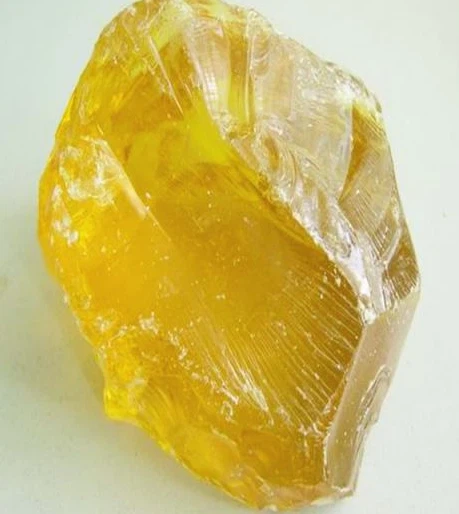

We have a reliable supply chain that can meet the demands of our customers in the rubber industry. Whether you are a small - scale rubber manufacturer or a large - scale industrial enterprise, we can provide you with the right amount of natural rosin at the right time. For more information about our natural rosin products, please visit Natural Rosin.
8. Conclusion and Call to Action
In conclusion, natural rosin plays a vital role in the rubber industry. Its functions as a tackifying agent, softening and plasticizing agent, reinforcing agent, and its impact on vulcanization make it an indispensable additive in rubber manufacturing. The environmental and economic benefits further enhance its appeal.
If you are in the rubber industry and are looking for a high - quality natural rosin supplier, we would be more than happy to discuss your requirements. Our team of experts can provide technical support and guidance to ensure that you get the most out of our natural rosin products. Contact us today to start a procurement discussion and take your rubber products to the next level.
References
- Morton, M. (1995). Rubber Technology. Kluwer Academic Publishers.
- Franta, E. P. (1989). Elastomers and Rubber Compounding Materials. Elsevier Science Publishers.
- Mark, J. E., Erman, B., & Eirich, F. R. (Eds.). (2005). Science and Technology of Rubber. Academic Press.