

Staccato passages are a vital aspect of cello performance, adding a sense of crispness, rhythm, and dynamic contrast to musical pieces. They require the player to produce short, detached notes with precision and clarity. The question of whether rosin affects the cello's ability to play staccato passages is one that has intrigued musicians, enthusiasts, and experts alike. As a supplier of rosin for cellos, I have delved deep into this topic to understand the relationship between rosin and staccato playing. In this blog, I will explore the various factors at play and share my insights on this fascinating subject.
Understanding Staccato Playing on the Cello
Before we dive into the role of rosin, it's essential to understand what staccato playing entails on the cello. Staccato notes are characterized by their brevity and distinct separation from one another. To achieve these notes, cellists use a combination of bow technique, finger control, and pressure. The bow must be moved quickly and precisely across the strings, with a sudden release of pressure at the end of each note to create the desired detachment.
The cellist's fingers also play a crucial role in staccato playing. They must be able to press down on the strings and release them rapidly to articulate the notes clearly. Additionally, the amount of pressure applied by the bow and the fingers can affect the volume, tone, and clarity of the staccato notes.
The Role of Rosin in Cello Playing
Rosin is a resinous substance derived from pine trees that is applied to the bow hair. Its primary function is to increase the friction between the bow hair and the cello strings, allowing the strings to vibrate more effectively and produce sound. Without rosin, the bow would simply slide across the strings without producing any sound.
The quality and type of rosin used can have a significant impact on the cello's sound and playability. Different types of rosin are formulated to provide varying levels of grip, stickiness, and tonal characteristics. For example, some rosins are designed to produce a warm, rich tone, while others are more focused on providing a bright, clear sound.
How Rosin Affects Staccato Playing
Now, let's explore how rosin can affect the cello's ability to play staccato passages.
Grip and Control
One of the most important factors in staccato playing is the ability to control the bow and produce short, precise strokes. A good rosin provides the necessary grip between the bow hair and the strings, allowing the cellist to execute staccato notes with greater control and accuracy. With a rosin that offers a strong grip, the bow is less likely to slip or slide across the strings during staccato passages, resulting in more consistent and well-articulated notes.
On the other hand, a rosin that lacks sufficient grip can make it difficult for the cellist to control the bow and produce clean staccato notes. The bow may slide across the strings too smoothly, causing the notes to blend together and lose their distinctiveness.
Tonal Clarity
Another aspect of staccato playing is the need for clear, well-defined tones. The right rosin can enhance the tonal clarity of staccato notes by providing a more consistent and even vibration of the strings. A rosin that produces a bright, clear sound can help to bring out the individual notes in a staccato passage, making them more audible and distinct.
In contrast, a rosin that produces a dull or muddy sound can make the staccato notes sound less clear and less defined. This can be particularly problematic in fast-paced staccato passages, where the individual notes need to be heard clearly to maintain the rhythm and musical flow.
Response and Reactivity
Staccato playing requires the cello to respond quickly and efficiently to the bow strokes. A high-quality rosin can improve the cello's response and reactivity, allowing the cellist to produce staccato notes with greater ease and speed. The rosin helps to transfer the energy from the bow to the strings more effectively, resulting in a more immediate and vibrant sound.
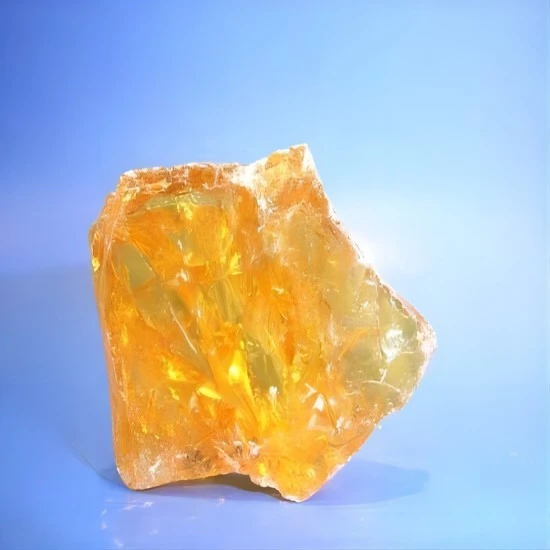

If the rosin is too sticky or heavy, it can slow down the bow's movement and make it more difficult to execute rapid staccato strokes. Conversely, a rosin that is too light or slippery may not provide enough grip, causing the bow to bounce or skip across the strings.
Choosing the Right Rosin for Staccato Playing
Given the importance of rosin in staccato playing, it's crucial to choose the right rosin for your cello and playing style. Here are some factors to consider when selecting a rosin for staccato passages:
- Grip and Stickiness: Look for a rosin that provides a good balance of grip and stickiness. A rosin that is too sticky can make the bow difficult to control, while a rosin that is too slippery may not provide enough friction for staccato playing.
- Tonal Characteristics: Consider the tonal qualities you want to achieve in your staccato playing. If you prefer a warm, rich tone, look for a rosin that is formulated to produce those characteristics. If you want a bright, clear sound, choose a rosin that is designed for that purpose.
- Playing Conditions: The playing conditions can also affect the performance of the rosin. For example, in hot and humid environments, a lighter rosin may be more suitable, as it is less likely to become too sticky. In cold and dry conditions, a heavier rosin may provide better grip.
As a supplier of rosin for cellos, we offer a wide range of high-quality rosins to meet the needs of different cellists. Our Bulk Rosin is a great option for those who need a large quantity of rosin at an affordable price. Our Pure Rosin is made from the finest natural ingredients and provides excellent grip and tonal qualities. And our Quality Rosin is carefully formulated to meet the highest standards of quality and performance.
Conclusion
In conclusion, rosin plays a crucial role in the cello's ability to play staccato passages. A good rosin can provide the necessary grip, control, tonal clarity, and response to help cellists execute staccato notes with precision and clarity. By choosing the right rosin for your cello and playing style, you can enhance your staccato playing and take your cello performance to the next level.
If you're interested in learning more about our rosin products or have any questions about choosing the right rosin for your cello, please feel free to contact us. Our team of experts is always available to provide you with personalized advice and guidance. We look forward to helping you find the perfect rosin for your staccato playing needs.
References
- Blades, J. (2006). The Physics of the Violin. Oxford University Press.
- Kember, J. (2012). The Art of Cello Playing. Schirmer Books.
- Sachs, C. (1940). The History of Musical Instruments. W. W. Norton & Company.