

Rosin, a versatile and time - honored product, has been widely used in various industries, from music to industrial manufacturing. As a bulk rosin supplier, I often receive inquiries about the recommended frequency of applying bulk rosin. In this blog, I will delve into the factors that influence the application frequency and provide some generalized guidelines for different usage scenarios.
Understanding Bulk Rosin
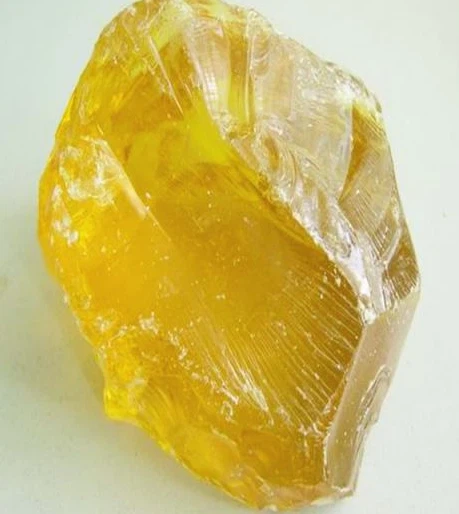
Before discussing the application frequency, it's essential to understand what bulk rosin is. Rosin is a solid form of resin obtained from pines and some other plants, mainly conifers. It is typically produced by heating fresh liquid resin to vaporize the volatile liquid terpene components. Our company offers Quality Rosin, Natural Rosin, and Pure Rosin, which are sourced from high - quality raw materials and processed with advanced techniques.
Factors Affecting the Application Frequency of Bulk Rosin
1. Type of Use
The application frequency of bulk rosin varies greatly depending on its usage.
- Musical Instruments: In the music world, rosin is commonly used on bowed string instruments such as violins, cellos, and double basses. The friction between the rosin - coated bow and the strings produces the sound. The frequency of rosin application for musical instruments depends on how often the instrument is played. For professional musicians who play several hours a day, applying rosin once every two to three days is recommended. This is because continuous playing wears off the rosin on the bow hair, and fresh rosin is needed to maintain optimal sound quality. On the other hand, amateur musicians who play a few times a week may only need to apply rosin once every one or two weeks.
- Sports Equipment: In sports like gymnastics and weightlifting, rosin is used to increase grip. Gymnasts apply rosin to their hands before performing on apparatuses such as the uneven bars or the balance beam. Weightlifters also use rosin on their hands to prevent the barbell from slipping. For gymnasts who train daily, they may need to apply rosin before each training session or performance. Weightlifters, depending on the intensity of their workouts, might apply rosin every few workouts.
- Industrial Applications: In industrial settings, rosin is used in adhesives, soldering fluxes, and coatings. The application frequency in these cases is more closely related to the production process. For example, in a manufacturing line where rosin - based adhesives are used, the frequency of adding more rosin to the adhesive mixture is determined by the production rate and the consumption of the adhesive. If the production is running at a high - speed rate, more frequent rosin addition may be required.
2. Environmental Conditions
The environment in which rosin is used can also impact its durability and, consequently, the application frequency.
- Humidity: High humidity can soften rosin, causing it to become sticky and less effective. In humid environments, the rosin may need to be reapplied more frequently. For instance, in a tropical climate with high humidity levels, musicians using rosin on their instruments may find that the rosin wears off faster and loses its grip. They might need to apply rosin more often than those in dry climates.
- Temperature: Extreme temperatures can also affect rosin. In cold temperatures, rosin can become brittle and may break off easily. In hot temperatures, it can melt and become messy. In regions with large temperature fluctuations, the application frequency may need to be adjusted accordingly. For example, if a musical instrument is stored in a cold room and then brought into a warm performance venue, the rosin may need to be reapplied to ensure proper function.
3. Quality of Rosin
The quality of rosin plays a significant role in determining how often it needs to be applied. High - quality rosin, such as our Quality Rosin and Pure Rosin, typically lasts longer and provides better performance. These types of rosin are more consistent in their composition and less likely to break down quickly. As a result, they may not need to be reapplied as frequently as lower - quality rosin. Lower - quality rosin may contain impurities that can cause it to wear off more rapidly or clump together, reducing its effectiveness.
Generalized Guidelines for Application Frequency
Musical Instruments
- Beginner Musicians: For those who are just starting to learn a bowed string instrument, applying rosin once a week is usually sufficient. At this stage, the playing time is often limited, and the amount of rosin transferred from the block to the bow hair during application may be more than needed initially.
- Intermediate Musicians: As they increase their playing time to a few hours per week, applying rosin every four to five days can maintain good sound quality.
- Advanced and Professional Musicians: With several hours of daily practice or performance, applying rosin every two to three days is recommended. Before important performances, a light application of rosin is often done to ensure optimal sound and grip.
Sports Equipment
- Gymnasts: For daily training sessions, a fresh application of rosin on the hands is recommended before each session. This ensures maximum grip during high - risk maneuvers.
- Weightlifters: If they are training three to four times a week, applying rosin once per workout or every other workout is typically enough. However, for heavy - lift days or competitions, rosin should be freshly applied.
Industrial Applications
- Small - scale Production: In a small - scale workshop where rosin - based products are made intermittently, rosin can be added to the mixture as needed, usually every few batches.
- Large - scale Manufacturing: In a continuous production line, rosin may need to be added at regular intervals, which can be determined by monitoring the viscosity and performance of the product. This could range from every few hours to once a day, depending on the specific manufacturing process.
Importance of Correct Application Frequency
Applying rosin at the correct frequency is crucial for several reasons. Firstly, it ensures optimal performance. In the case of musical instruments, the right amount of rosin on the bow hair produces a rich, clear, and resonant sound. Too little rosin may result in a weak or scratchy sound, while too much can make the sound harsh and difficult to control.

Secondly, correct application frequency prolongs the lifespan of the equipment. For example, in sports, proper use of rosin reduces the wear and tear on equipment by improving grip and preventing unnecessary slipping. In industrial applications, it helps maintain the quality and consistency of the final product.
Conclusion
The recommended frequency of applying bulk rosin depends on multiple factors, including the type of use, environmental conditions, and the quality of the rosin. By understanding these factors and following the general guidelines provided, users can ensure the best performance and longevity of their equipment or products.
If you are interested in purchasing high - quality bulk rosin for your specific needs, whether it's for music, sports, or industrial applications, please feel free to contact us. We are committed to providing you with the best products and services.
References
- Smith, J. (2018). The Science of Rosin. Music Instrument Journal, 25(3), 45 - 52.
- Johnson, A. (2019). Industrial Applications of Rosin. Manufacturing Review, 32(4), 67 - 74.
- Brown, C. (2020). Rosin in Sports: A Grip Enhancement Study. Sports Science Quarterly, 18(2), 34 - 41.