

Hey there, fabric enthusiasts and DIY lovers! I'm a supplier of rosin glue, and today I want to chat about whether rosin glue can be used for fabric.
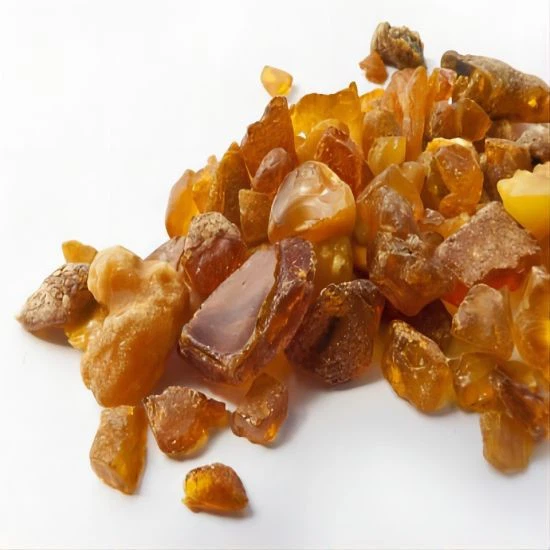
Let's start with the basics. Rosin is a solid form of resin that comes from coniferous trees. When you extract it and process it right, you get rosin glue. Natural Rosin is known for its natural origin and good adhesive properties. It's been used in a bunch of industries for ages, but what about fabric?
Adhesive Properties of Rosin Glue
Rosin glue has some impressive adhesive abilities. It can form a fairly strong bond between different materials. The sticky nature of rosin glue comes from its chemical composition. When heated or moistened in some processes, the molecules in the glue start to move around and interact with the surfaces they're applied to.
When it comes to fabric, this bonding ability can either be a blessing or a curse. For some light - duty fabric projects, like hemming a small piece of lightweight fabric or attaching small fabric patches, rosin glue might work. For example, if you're making a fabric bookmark and want to attach a small decorative fabric piece on it, a bit of rosin glue can do the trick.
But hold on! One of the problems with using rosin glue on fabric is that it can make the fabric stiff. Unlike some specialized fabric glues that are formulated to keep the fabric flexible, rosin glue sets hard. This means if you use it on a large area of a fabric that needs to bend and move, like a piece of clothing or a curtain, the fabric won't drape well, and it'll feel uncomfortable.
Compatibility with Different Fabrics
Not all fabrics are equal when it comes to using rosin glue on them. Synthetic fabrics, like polyester and nylon, have smooth surfaces. Rosin glue might not adhere to them as well as it would to natural fabrics. The smoothness of synthetic fibers doesn't allow the glue to grip properly, and the bond might break easily.

On the other hand, natural fabrics such as cotton, linen, and wool are more porous. The pores in these fabrics give the rosin glue something to latch onto, so the adhesion is generally better. However, even with natural fabrics, we need to be careful. Wool, for instance, is a delicate fabric. The heat or chemicals involved in the rosin glue application process could damage the fibers, causing shrinkage or color fading.
Application Process
If you're thinking about using rosin glue on fabric, the application process is crucial. First off, you don't want to just slop it on willy - nilly. You need to prepare the fabric surface. Clean the fabric to get rid of any dirt, oil, or loose threads. This helps the glue adhere better.
You can apply rosin glue either by melting it and brushing it on or using a pre - made liquid form if available. When heating rosin glue, make sure you do it in a well - ventilated area because the fumes can be a bit strong. And don't go overboard with the amount of glue. A thin, even layer is all you need for a good bond.
After applying the glue, you'll need to let it dry properly. The drying time can vary depending on factors like the temperature and humidity of the environment. You might need to weigh down the glued parts slightly to ensure a good bond while it's drying.
Advantages of Using Rosin Glue for Fabric
One big advantage of using rosin glue for fabric is its cost - effectiveness. Compared to some high - end fabric glues, rosin glue is relatively inexpensive. If you're on a tight budget for your fabric projects, it can be a great option.
Another plus is its availability. Quality Rosin is widely available, and as a rosin glue supplier, I can tell you that it's easy to source. You don't have to hunt high and low for it, which is convenient if you need to start your project right away.
Disadvantages and Limitations
As I mentioned earlier, the stiffness issue is a major drawback. If you're making something that requires the fabric to be soft and flexible, rosin glue might not be the best choice.
Also, rosin glue isn't very washable. Once you use it on fabric and then try to wash the item, the glue can break down and leave a mess. This is a huge problem if you're using it on clothing or any fabric item that needs regular cleaning.
Alternatives for Fabric Bonding
If rosin glue doesn't seem like the right fit for your fabric project, there are plenty of alternatives. Fabric - specific glues are designed to be flexible, washable, and gentle on fabric fibers. They come in different types, like permanent and temporary adhesives, so you can choose according to your project's needs.
Sewing is another classic option. It gives a strong and durable bond, and you have more control over the look of the finished product. Plus, it doesn't have the stiffness or non - washable issues that rosin glue has.
Conclusion
So, can rosin glue be used for fabric? The answer is yes, but with some big caveats. It can work for small, non - critical fabric projects where cost is a concern and flexibility isn't a top priority. However, for larger projects, especially those involving clothing or items that need to be washed, it's probably not the best option.
If you're interested in exploring using rosin glue for your fabric projects or want to ask more questions about it, we're here to help. We offer Pure Rosin - based glue that's of high quality and reasonably priced. We're happy to engage in further discussions about our products and how they can fit into your fabric - related needs. Whether it's for a small DIY craft or a larger production run, we can find a solution that works for you. Reach out to us to start a conversation about your procurement needs.
References
- Textile Chemistry Handbook
- Adhesives and Their Applications in the Textile Industry