

Peel strength is a crucial property when it comes to adhesives, and rosin glue is no exception. As a leading rosin glue supplier, I've witnessed firsthand the significance of peel strength in various applications. In this blog, we'll delve into what peel strength is, how it relates to rosin glue, and why it matters in different industries.
Understanding Peel Strength
Peel strength refers to the force required to separate two bonded materials at a specific angle and speed. It is typically measured in units of force per unit width, such as pounds per inch (ppi) or newtons per millimeter (N/mm). The higher the peel strength, the more difficult it is to separate the bonded materials, indicating a stronger adhesive bond.
Peel strength is influenced by several factors, including the type of adhesive, the surface properties of the materials being bonded, the bonding conditions (such as temperature and pressure), and the presence of any contaminants or surface treatments. In the case of rosin glue, its peel strength is determined by the chemical composition of the rosin, the additives used, and the manufacturing process.
Rosin Glue: A Natural Adhesive
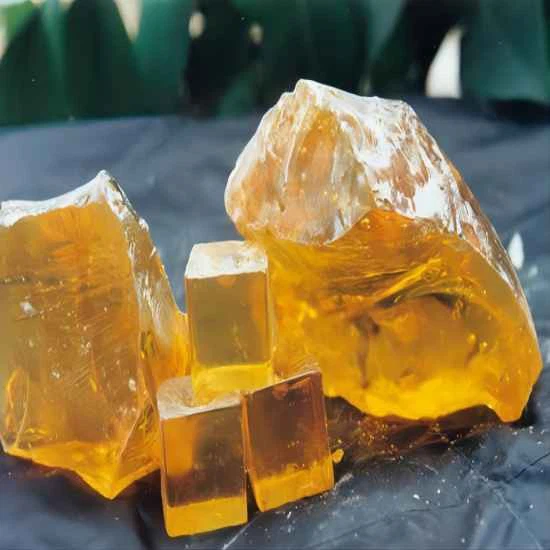
Rosin is a natural resin obtained from pine trees. It has been used as an adhesive for centuries due to its excellent bonding properties, low cost, and environmental friendliness. Rosin glue is made by dissolving rosin in a solvent or by heating it to a molten state and then adding other ingredients to improve its performance.
There are different types of rosin available, each with its own unique properties. Quality Rosin is carefully selected and processed to ensure high purity and consistent quality. Pure Rosin is free from impurities and contaminants, making it ideal for applications where a clean and strong bond is required. Natural Rosin is derived directly from pine trees without any chemical modifications, offering a sustainable and eco-friendly adhesive solution.
Factors Affecting the Peel Strength of Rosin Glue
Chemical Composition of Rosin
The chemical structure of rosin plays a significant role in determining its peel strength. Different types of rosin have different molecular weights, acid values, and functional groups, which affect their adhesion properties. For example, rosin with a higher acid value tends to have better adhesion to polar surfaces, while rosin with a lower acid value may be more suitable for non-polar surfaces.
Additives
Additives are often added to rosin glue to improve its performance. These additives can include tackifiers, plasticizers, antioxidants, and fillers. Tackifiers increase the initial tack of the glue, making it easier to bond the materials together. Plasticizers improve the flexibility and durability of the bond, while antioxidants prevent the rosin from oxidizing and losing its adhesion properties over time. Fillers can be used to increase the strength and stiffness of the glue, as well as to reduce its cost.
Surface Properties of the Bonded Materials
The surface properties of the materials being bonded also have a significant impact on the peel strength of rosin glue. Rough or porous surfaces provide more surface area for the glue to adhere to, resulting in a stronger bond. On the other hand, smooth or non-polar surfaces may require surface treatment or the use of a primer to improve adhesion.
Bonding Conditions
The bonding conditions, such as temperature, pressure, and bonding time, can also affect the peel strength of rosin glue. Higher temperatures generally increase the flowability of the glue, allowing it to wet the surfaces better and form a stronger bond. However, excessive heat can also cause the rosin to degrade or evaporate, reducing its adhesion properties. Applying pressure during the bonding process helps to ensure good contact between the glue and the surfaces, while a longer bonding time allows the glue to fully cure and develop its maximum strength.
Applications of Rosin Glue Based on Peel Strength
Woodworking
In the woodworking industry, rosin glue is commonly used for bonding wood joints, veneers, and laminates. The peel strength of rosin glue is important in ensuring that the joints remain strong and durable over time. For example, in furniture manufacturing, a high peel strength is required to prevent the joints from coming apart under normal use or when subjected to stress.
Packaging
Rosin glue is also widely used in the packaging industry for sealing boxes, cartons, and envelopes. The peel strength of the glue ensures that the packages remain sealed during transportation and storage, protecting the contents from damage. In addition, the environmental friendliness of rosin glue makes it a popular choice for sustainable packaging solutions.

Paper and Printing
In the paper and printing industry, rosin glue is used for laminating paper, cardboard, and other substrates. The peel strength of the glue is crucial in ensuring that the laminated layers remain bonded together, providing a smooth and durable surface for printing and finishing.
Measuring the Peel Strength of Rosin Glue
There are several methods available for measuring the peel strength of rosin glue. The most common method is the 180-degree peel test, where a strip of the bonded materials is peeled back at a 180-degree angle from the substrate at a constant speed. The force required to peel the strip is measured using a tensile testing machine, and the peel strength is calculated by dividing the force by the width of the strip.
Other methods include the T-peel test, where two bonded materials are peeled apart in a T-shaped configuration, and the 90-degree peel test, where the strip is peeled back at a 90-degree angle from the substrate. Each method has its own advantages and disadvantages, and the choice of method depends on the specific application and the type of materials being bonded.
Importance of Peel Strength in Quality Control
Peel strength is an important quality control parameter for rosin glue suppliers. By ensuring that the peel strength of their products meets the required specifications, suppliers can guarantee the performance and reliability of their adhesives. Quality control measures may include regular testing of samples using standardized methods, as well as monitoring the production process to ensure consistency and uniformity.
In addition to meeting the technical requirements of the application, a high peel strength also provides a competitive advantage in the market. Customers are more likely to choose a rosin glue supplier that can offer a strong and reliable adhesive, especially in industries where product quality and performance are critical.
Conclusion
Peel strength is a key property of rosin glue that determines its performance and suitability for different applications. As a rosin glue supplier, we understand the importance of peel strength and strive to provide our customers with high-quality products that meet their specific needs. By carefully selecting the type of rosin, using the right additives, and controlling the manufacturing process, we can ensure that our rosin glue has excellent peel strength and other adhesion properties.
If you're interested in learning more about our rosin glue products or have any questions about peel strength, please don't hesitate to contact us for a procurement discussion. Our team of experts is always ready to assist you and provide you with the best adhesive solutions for your application.
References
- ASTM D903 - Standard Test Method for Peel or Stripping Strength of Adhesive Bonds
- ISO 8510-1 - Adhesives - Peel test for a flexible-bonded-to-rigid test specimen assembly - Part 1: 180° peel
- Wicks, Z. W., Jones, F. N., & Pappas, S. P. (1999). Organic Coatings: Science and Technology. Wiley-Interscience.