

Rosin glue, a versatile adhesive, has long been utilized across various industries due to its unique properties. As a trusted rosin glue supplier, I am often asked about the flexibility of rosin glue after drying. In this blog, I will delve into the intricacies of this topic, exploring the factors that influence the flexibility of dried rosin glue and its implications for different applications.
Understanding Rosin Glue
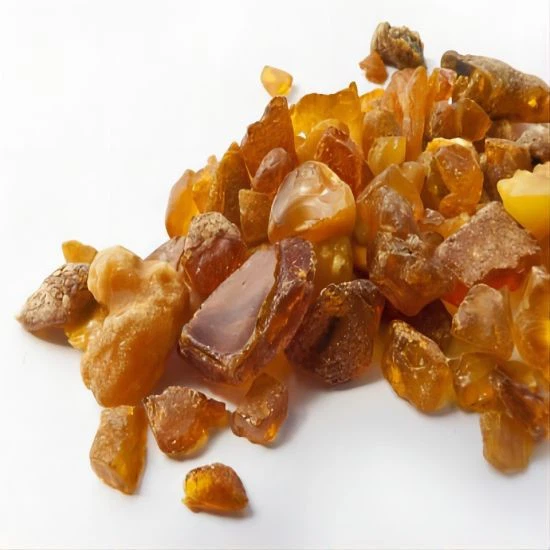
Before we discuss the flexibility of dried rosin glue, it's essential to understand what rosin glue is. Rosin, a solid form of resin obtained from pines and some other plants, is the primary component of rosin glue. It can be sourced from natural materials, and you can find high - quality options like Quality Rosin, Natural Rosin, and Pure Rosin. When combined with other additives such as solvents, plasticizers, and fillers, rosin transforms into a glue that can be used for bonding various materials.
Rosin glue is known for its excellent adhesion, tackiness, and relatively low cost. It has a wide range of applications, including in the woodworking, paper, and packaging industries. The performance of rosin glue, especially its flexibility after drying, is crucial for its effectiveness in these applications.

Factors Affecting the Flexibility of Dried Rosin Glue
Chemical Composition
The chemical composition of rosin glue plays a significant role in determining its flexibility after drying. Rosin itself is a brittle material. However, when plasticizers are added to the glue formulation, they can increase the flexibility of the dried glue. Plasticizers work by reducing the intermolecular forces between the polymer chains in the glue, allowing them to move more freely. This results in a more flexible and less brittle adhesive film.
The type and amount of plasticizer used can have a profound impact on the flexibility. For example, phthalate - based plasticizers have been commonly used in the past, but due to environmental and health concerns, alternative plasticizers such as adipates and citrates are now being explored. A well - formulated rosin glue with the right plasticizer can achieve a good balance between flexibility and other properties such as adhesion and hardness.
Drying Conditions
The conditions under which rosin glue dries also affect its flexibility. Temperature and humidity are two key factors. High temperatures can accelerate the drying process, but if the temperature is too high, the glue may dry too quickly, resulting in a more brittle and less flexible film. On the other hand, low temperatures can slow down the drying process, allowing the polymer chains in the glue to arrange themselves more orderly, which may lead to increased flexibility.
Humidity also plays a role. High humidity can prevent the solvent in the glue from evaporating quickly, which may result in a softer and more flexible adhesive. However, excessive humidity can also cause problems such as poor adhesion and mold growth. Optimal drying conditions need to be carefully controlled to achieve the desired flexibility of the dried rosin glue.
Additives and Fillers
In addition to plasticizers, other additives and fillers can be incorporated into rosin glue to modify its flexibility. For example, elastomers can be added to the glue to improve its elasticity and flexibility. Elastomers are polymers with high elasticity, and when blended with rosin glue, they can enhance the overall flexibility of the dried adhesive.
Fillers, such as talc or calcium carbonate, can also affect the flexibility. While fillers are often added to reduce the cost of the glue and improve its mechanical properties, they can make the dried glue more rigid if used in large amounts. Therefore, the type and amount of fillers need to be carefully selected to maintain the desired level of flexibility.
Importance of Flexibility in Different Applications
Woodworking
In the woodworking industry, the flexibility of rosin glue after drying is crucial. Wood is a natural material that expands and contracts with changes in temperature and humidity. A flexible rosin glue can accommodate these dimensional changes without cracking or losing its adhesion. This is especially important for joints in furniture and cabinetry, where the glue needs to withstand the stresses caused by the movement of the wood.
For example, in a wooden chair, the joints are subject to various forces during use. A flexible rosin glue can ensure that the joints remain intact and the chair maintains its structural integrity over time.
Paper and Packaging
In the paper and packaging industry, rosin glue is used for bonding paper, cardboard, and other packaging materials. The flexibility of the dried glue is essential for ensuring that the packages can be folded, bent, and handled without the glue breaking or delaminating. This is particularly important for products such as cartons and envelopes, which need to be able to withstand the rigors of transportation and storage.
A flexible rosin glue can also provide a better seal, preventing moisture and air from entering the package, which is crucial for protecting the contents inside.
Testing the Flexibility of Dried Rosin Glue
There are several methods for testing the flexibility of dried rosin glue. One common method is the bend test. In this test, a sample of the glued material is bent to a certain angle, and the glue is examined for cracks or delamination. Another method is the tensile test, which measures the force required to stretch the glued material until it breaks. The elongation at break can be used as an indicator of the flexibility of the dried glue.
These tests can help manufacturers determine the quality and performance of their rosin glue products. By conducting regular tests, they can ensure that the glue meets the specific requirements of different applications.
How We Ensure the Flexibility of Our Rosin Glue
As a rosin glue supplier, we are committed to providing high - quality products with excellent flexibility. We carefully select the raw materials, including the rosin and plasticizers, to ensure the best chemical composition for our glue. Our R & D team conducts extensive research to develop new formulations that offer improved flexibility while maintaining other important properties such as adhesion and durability.
We also pay close attention to the manufacturing process. We control the drying conditions in our production facilities to ensure that the glue dries under optimal conditions, resulting in a flexible and high - performance adhesive. Additionally, we conduct rigorous quality control tests on our products to ensure that they meet the highest standards of flexibility and other performance criteria.
Conclusion
The flexibility of rosin glue after drying is a complex yet crucial property that depends on various factors such as chemical composition, drying conditions, and the use of additives and fillers. Understanding these factors is essential for both manufacturers and users of rosin glue, as it directly impacts the performance of the glue in different applications.
As a reliable rosin glue supplier, we are dedicated to providing products that offer excellent flexibility and meet the diverse needs of our customers. If you are interested in learning more about our rosin glue products or have specific requirements for your application, we encourage you to contact us for further discussion and potential procurement. We look forward to partnering with you to find the best rosin glue solution for your business.
References
- ASTM International. (Year). Standard test methods for evaluating the flexibility of adhesives. ASTM DXXX.
- Lee, H., & Neville, K. (Year). Handbook of Epoxy Resins. McGraw - Hill.
- Wicks, Z. W., Jones, F. N., & Pappas, S. P. (Year). Organic Coatings: Science and Technology. Wiley - Interscience.