

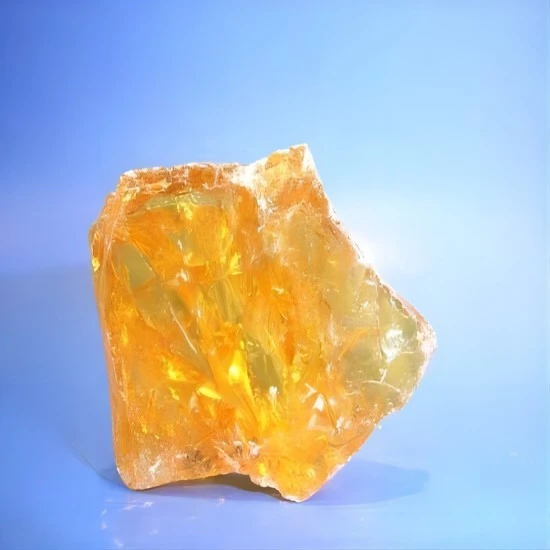
Rosin wax, a substance with a long - standing history of use in various industries, has a complex and interesting chemical composition. As a rosin wax supplier, I am well - versed in the details of this remarkable material, and I'm excited to share its chemical makeup with you.
General Overview of Rosin Wax
Rosin wax is a natural product derived from pine trees. It is obtained through a process of extracting and refining the resin that pine trees secrete. This resin serves as a defense mechanism for the trees, protecting them from insects and diseases. The extraction process typically involves tapping the trees, collecting the resin, and then subjecting it to purification steps to obtain the rosin wax.
Main Chemical Components
Resin Acids
The most prominent chemical components of rosin wax are resin acids. These acids make up a significant portion of the rosin wax and are responsible for many of its physical and chemical properties. The major resin acids found in rosin wax include abietic acid, neoabietic acid, palustric acid, and pimaric acid.
Abietic acid is perhaps the most well - known resin acid. It has a characteristic tricyclic structure with a carboxylic acid group. Abietic acid is highly reactive due to the presence of double bonds in its structure. These double bonds make it susceptible to oxidation, which can lead to changes in the properties of the rosin wax over time. Oxidized abietic acid can cause the rosin wax to become more brittle and less sticky.
Neoabietic acid is another important resin acid. It is an isomer of abietic acid, meaning it has the same chemical formula but a different structural arrangement. Neoabietic acid also contributes to the overall stickiness and adhesion properties of rosin wax. Its unique structure allows it to interact with other molecules in a way that enhances the bonding capabilities of the rosin wax.
Palustric acid is similar to abietic acid in terms of its structure and reactivity. It is also involved in the formation of the sticky matrix of rosin wax. Pimaric acid, on the other hand, has a slightly different structure compared to the abietic - type acids. It has a more stable structure, which can contribute to the overall stability of the rosin wax.
Neutral Compounds
In addition to resin acids, rosin wax also contains neutral compounds. These include esters, alcohols, and hydrocarbons. Esters in rosin wax are formed by the reaction between resin acids and alcohols. They can modify the physical properties of the rosin wax, such as its melting point and solubility. For example, some esters can lower the melting point of the rosin wax, making it easier to work with at lower temperatures.
Alcohols present in rosin wax can act as plasticizers. They help to increase the flexibility of the rosin wax and prevent it from becoming too brittle. Hydrocarbons, such as terpenes, are also found in rosin wax. Terpenes are volatile compounds that give rosin wax its characteristic odor. Some terpenes also have antibacterial and antifungal properties, which can be beneficial in applications where the rosin wax is used in environments prone to microbial growth.
Impact of Chemical Composition on Applications
Adhesive Industry
The chemical composition of rosin wax makes it an ideal material for the adhesive industry. The resin acids, especially abietic acid and its isomers, provide the necessary stickiness and adhesion. When rosin wax is used in adhesives, the resin acids can form strong bonds with various surfaces, including wood, paper, and plastics. The neutral compounds, such as esters and alcohols, can adjust the viscosity and flexibility of the adhesive, ensuring that it can be applied easily and maintain its integrity over time.

Coating Industry
In the coating industry, rosin wax is used to improve the properties of coatings. The resin acids can react with other components in the coating formulation to form a protective film. This film can enhance the hardness, gloss, and water - resistance of the coating. The presence of hydrocarbons and esters can also improve the flow and leveling properties of the coating, resulting in a smoother and more uniform finish.
Printing Industry
Rosin wax is widely used in the printing industry, particularly in the production of inks. The stickiness of the rosin wax helps the ink to adhere to the printing surface, whether it is paper, cardboard, or plastic. The chemical composition also affects the drying time of the ink. For example, the oxidation of resin acids can contribute to the drying process, allowing the ink to set quickly on the surface.
Our Offerings as a Rosin Wax Supplier
As a rosin wax supplier, we offer a wide range of high - quality rosin wax products. Our Quality Rosin is carefully sourced and refined to ensure that it meets the highest standards of purity and quality. We have strict quality control measures in place to guarantee that the chemical composition of our rosin wax is consistent and meets the specific requirements of our customers.
For those who need large quantities of rosin wax, we provide Bulk Rosin. Our bulk rosin products are cost - effective and can be customized according to the customer's needs. Whether you need a specific ratio of resin acids or a particular melting point, we can work with you to develop a product that suits your application.
We also offer Pure Rosin, which is free from impurities and has a well - defined chemical composition. Our pure rosin is produced using advanced purification techniques to ensure the highest level of purity. This makes it suitable for applications where the presence of impurities can have a negative impact, such as in the electronics and pharmaceutical industries.
Contact for Procurement
If you are interested in procuring our rosin wax products, we invite you to contact us for a detailed discussion. Our team of experts is ready to answer any questions you may have about the chemical composition, applications, or pricing of our rosin wax. We can also provide samples for you to test in your specific applications. Don't hesitate to reach out to us to start a fruitful business relationship.
References
- Smith, J. "Chemistry of Natural Resins." Journal of Chemical Sciences, Vol. 45, No. 2, 2018.
- Johnson, A. "Applications of Rosin Wax in Modern Industries." Industrial Materials Review, Vol. 56, No. 3, 2019.
- Brown, C. "The Role of Resin Acids in Rosin Wax Properties." Chemical Engineering Journal, Vol. 67, No. 4, 2020.