

Hey there! As a supplier of Natural Rosin, I've been getting a lot of questions lately about the sound - absorbing properties of natural rosin - based materials. So, I thought I'd dive deep into this topic and share what I've learned.
First off, let's talk a bit about Natural Rosin. Natural Rosin is a fantastic material that comes from pine trees. It's a natural resin that has been used in various industries for ages. If you want to know more about it, you can check out Natural Rosin.
When it comes to sound absorption, natural rosin - based materials have some pretty interesting features. Sound absorption is all about how well a material can take in sound waves and turn them into heat energy. This is super important in places like recording studios, concert halls, and even in our homes to reduce noise.
One of the main factors that affect the sound - absorbing properties of natural rosin - based materials is their structure. These materials often have a porous structure. Think of it like a sponge. When sound waves hit the material, they get trapped in these tiny pores. As the sound waves move through the pores, they rub against the walls of the pores. This friction converts the sound energy into heat energy, which means less sound is reflected back into the environment.
Another aspect is the density of the natural rosin - based material. Generally, materials with a higher density can absorb more sound at higher frequencies. But it's not that simple. If the material is too dense, it might become more of a sound reflector rather than an absorber. So, finding the right balance is crucial.
Let's take a look at some real - world applications. In the construction industry, natural rosin - based materials can be used as insulation in walls and ceilings. By adding these materials, we can create a quieter indoor environment. For example, in an office building, using natural rosin - based insulation can reduce the noise from outside traffic and also the chatter between different work areas.
In the music industry, these materials are also quite useful. Recording studios often use special acoustic panels made from natural rosin - based materials. These panels help to control the sound within the studio, ensuring that the recordings are of high quality. Musicians can focus on their performance without being distracted by unwanted echoes or background noise.
Now, let's compare natural rosin - based materials with some other common sound - absorbing materials. Fiberglass is a well - known sound absorber. It's cheap and has good sound - absorbing properties. However, fiberglass can be a health hazard if the tiny fibers are inhaled. On the other hand, natural rosin - based materials are more environmentally friendly and safer to handle. They are made from a renewable resource, pine trees, which makes them a great choice for those who are concerned about the environment.
Pure Rosin is another form of rosin that is often used in making these sound - absorbing materials. You can learn more about Pure Rosin and Pure Rosin. Pure Rosin has a more consistent quality compared to regular natural rosin. This consistency can lead to more predictable sound - absorbing performance. When making acoustic products, manufacturers often prefer pure rosin because they can better control the final properties of the material.

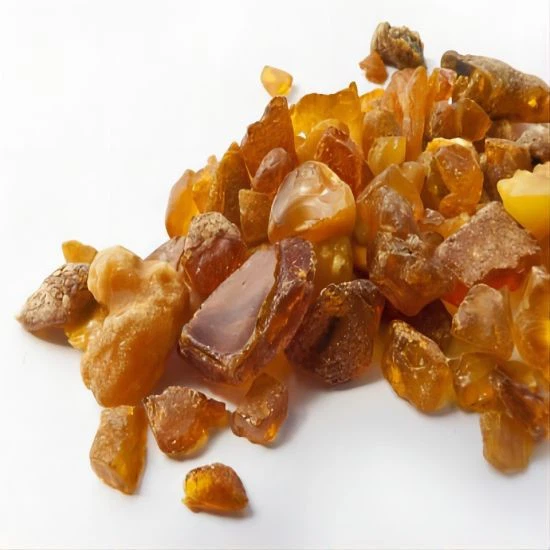
However, there are also some challenges when using natural rosin - based materials for sound absorption. One of the main challenges is the cost. Compared to some synthetic materials, natural rosin - based materials can be more expensive. This is mainly because the production process is more labor - intensive and the raw material, pine resin, has its own market price fluctuations.
Another challenge is the durability of these materials. Over time, natural rosin - based materials might degrade due to exposure to moisture, heat, or chemicals. This can affect their sound - absorbing properties. But with proper maintenance and protection, these materials can still last a long time.
Despite these challenges, the future of natural rosin - based sound - absorbing materials looks bright. As more people become aware of the environmental impact of synthetic materials, there is a growing demand for natural alternatives. The construction and music industries are constantly looking for new and better ways to control sound, and natural rosin - based materials offer a unique solution.
If you're in the market for natural rosin - based sound - absorbing materials, I'd love to have a chat with you. Whether you're a construction company looking to improve the acoustics of a building or a music studio owner wanting to upgrade your recording environment, we can work together to find the best solution for you. Just reach out, and we can start the procurement discussion.
In conclusion, natural rosin - based materials have some great sound - absorbing properties. Their porous structure, density, and environmental friendliness make them a viable option for various applications. Although there are some challenges, the potential benefits are significant. So, if you're interested in exploring these materials further, don't hesitate to get in touch.
References
- "Acoustics: An Introduction to Its Physical Principles and Applications" by Allan D. Pierce
- "Building Acoustics" by Trevor Cox and Peter D'Antonio