

Hey there! I'm a supplier of linseed oil, and I know how important it is to tell when this golden - hued oil has gone bad. Linseed oil, also known as flaxseed oil, is a super popular product, whether it's used in cooking, as a dietary supplement, or in woodworking. So, let's dive into the signs that your linseed oil might have passed its prime.
1. Change in Color
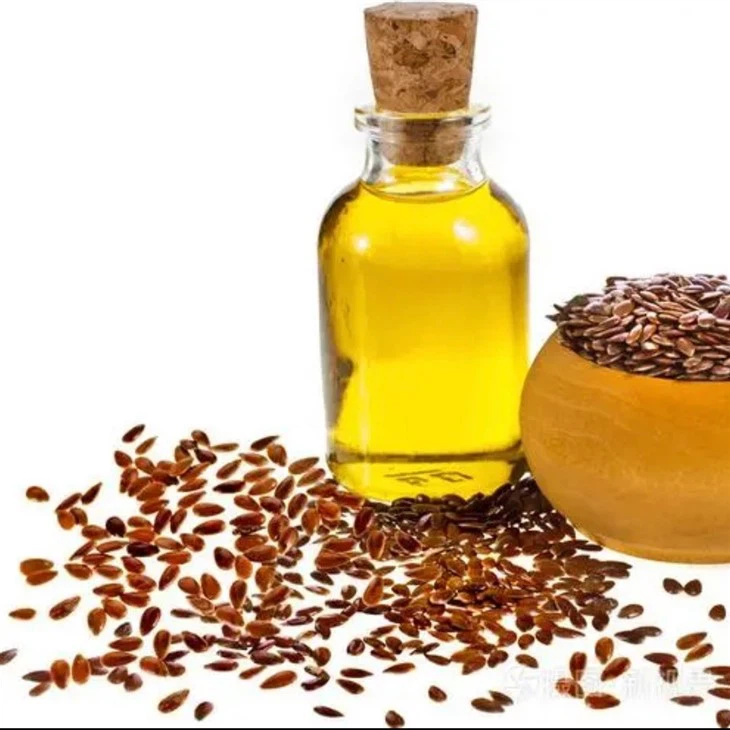
The first thing you'll probably notice is a change in color. Fresh linseed oil usually has a light, golden - yellow color. It's like that warm, sunny hue that just makes you feel good. But when it starts to go bad, it can darken significantly. It might turn a deep amber or even a brownish color.
This color change happens because of oxidation. Linseed oil is rich in polyunsaturated fatty acids, especially omega - 3 fatty acids. These fatty acids are really sensitive to oxygen in the air. When they react with oxygen, they form compounds that cause the oil to darken. So, if you open up a bottle of linseed oil and it looks way darker than it should, that's a red flag.
2. Off - Smell
Another dead giveaway that linseed oil has gone bad is an off - smell. Fresh linseed oil has a mild, nutty aroma. It's kind of a pleasant, earthy smell that makes you think of healthy, natural things. But when it spoils, the smell can turn really unpleasant.
It might start to smell rancid, which is like a sour, stale odor. It's similar to the smell of old, spoiled nuts. Sometimes, it can also have a chemical - like smell. This happens because the oxidation process breaks down the fatty acids in the oil, producing compounds like aldehydes and ketones, which have these unpleasant odors. If you take a whiff of your linseed oil and it makes you wrinkle your nose, it's probably time to toss it.
3. Change in Texture
The texture of linseed oil can also change when it goes bad. Fresh linseed oil is smooth and runny. It pours easily, just like any other good - quality oil. But as it spoils, it can become thicker and more viscous.
You might notice that it doesn't pour as smoothly as it used to. It could be a bit sticky or gummy. This change in texture is due to the formation of polymers in the oil during the oxidation process. These polymers make the oil more thick and gooey. So, if you're having trouble getting your linseed oil to flow out of the bottle, it's a sign that something's not right.
4. Taste (if Edible)
If you're using Edible Linseed Oil as a dietary supplement or in cooking, tasting it can be a way to check its freshness. Fresh linseed oil has a mild, nutty flavor. It's not overpowering, and it can actually add a nice touch to your food.
But when it goes bad, the taste becomes really off. It can be bitter, sour, or just generally unpleasant. You definitely don't want to be consuming oil that tastes like that. So, if you're thinking of using linseed oil in your salad dressing or smoothie, take a tiny sip first. If it tastes bad, don't use it. You can also explore Edible Linseed Oil for more information on its uses and quality.

5. Presence of Mold or Sediment
Sometimes, you might see mold or sediment in your linseed oil. Mold is pretty obvious – it looks like fuzzy, green or black patches floating in the oil. This is a clear sign that the oil has been contaminated and is no longer safe to use.
Sediment can also be a problem. Fresh linseed oil should be clear. If you see particles or a cloudy substance at the bottom of the bottle, it could mean that the oil is starting to break down. This sediment can be made up of oxidized fatty acids, impurities, or other by - products of the spoilage process.
Why Does Linseed Oil Go Bad?
Now that we know the signs, let's talk about why linseed oil goes bad in the first place. As I mentioned earlier, oxidation is the main culprit. Linseed oil is very susceptible to oxidation because of its high content of polyunsaturated fatty acids.
Exposure to air, light, and heat can all speed up the oxidation process. That's why it's important to store linseed oil properly. Keep it in a cool, dark place, like a pantry or a cabinet. Make sure the bottle is tightly sealed to prevent air from getting in.
How to Prevent Linseed Oil from Going Bad
If you're a consumer, there are a few things you can do to keep your linseed oil fresh for longer. First, buy it from a reputable supplier. At our place, we take great care to ensure that our linseed oil is of the highest quality and is properly stored before it reaches you.
Once you have it at home, store it correctly. As I said, keep it in a cool, dark place. You can also refrigerate it, especially if you live in a warm climate. Just make sure to let it come to room temperature before using it, as cold oil can be thicker and harder to work with.
If you're using Food - Grade Flaxseed Oil (Linseed Oil) – High in Omega - 3, try to use it up within a few months. The longer it sits, the more likely it is to go bad.
Conclusion
So, there you have it – the signs that linseed oil has gone bad. As a supplier, I want to make sure that you're getting the best - quality product. If you're in the market for fresh, high - quality linseed oil, whether it's for cooking or other uses, we've got you covered.
If you're interested in purchasing our linseed oil, don't hesitate to reach out. We're always happy to talk about our products, answer any questions you might have, and discuss your specific needs. Whether you're a small - scale consumer or a large - scale buyer, we can work with you to find the right solution.
References
- "The Chemistry of Linseed Oil Oxidation" - Journal of Lipid Research
- "Storage and Shelf - Life of Flaxseed Oil" - Food Science and Technology Magazine
- "Quality Assessment of Edible Oils" - International Journal of Food Quality