

As a linseed oil supplier, one of the most frequently asked questions I encounter from customers is, "How long does it take for linseed oil to dry on wood?" This is a crucial query, as the drying time can significantly impact the project timeline and the overall quality of the finish. In this blog post, I'll delve into the factors that influence the drying time of linseed oil on wood and provide some practical tips to help you achieve the best results.
Understanding Linseed Oil
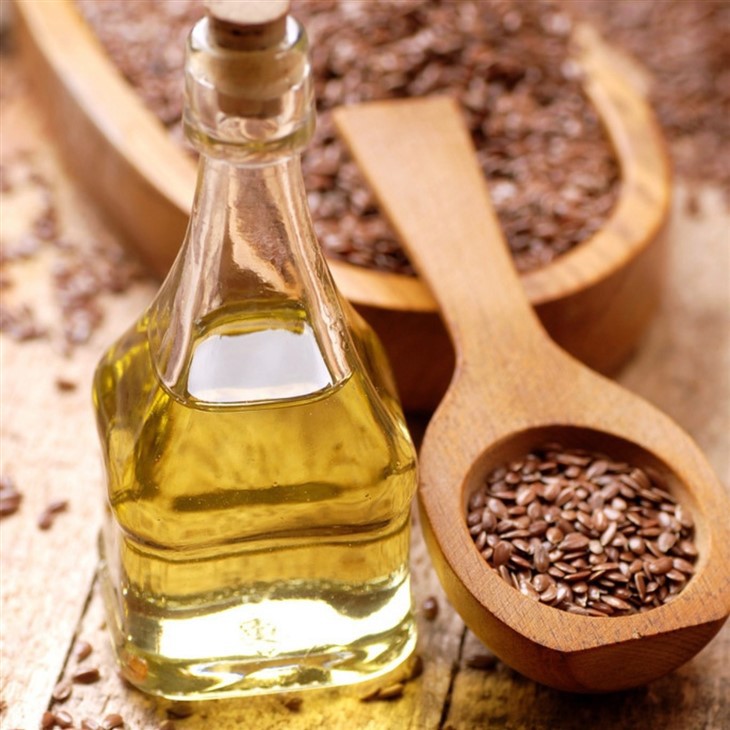
Before we discuss the drying time, let's first understand what linseed oil is. Linseed oil is a natural oil derived from the seeds of the flax plant. It has been used for centuries as a wood finish due to its excellent penetrating properties, which help protect the wood from moisture, stains, and wear. There are two main types of linseed oil commonly used for wood finishing: raw linseed oil and boiled linseed oil.
- Raw Linseed Oil: Raw Linseed Oil is the pure, unprocessed form of linseed oil. It is known for its slow drying time, which can range from several days to weeks. However, it provides a more natural and subtle finish, making it ideal for projects where a traditional look is desired.
- Boiled Linseed Oil: Boiled linseed oil is actually raw linseed oil that has been treated with additives to speed up the drying process. It typically dries within 24 to 48 hours, making it a popular choice for projects that require a quicker turnaround. However, it may have a slightly darker color and a stronger odor compared to raw linseed oil.
In addition to these two types, there is also Natural Linseed Oil, which is a high-quality, pure form of linseed oil that is free from additives and chemicals. It offers the benefits of both raw and boiled linseed oil, with a relatively fast drying time and a natural finish.
Factors Affecting Drying Time
The drying time of linseed oil on wood can vary depending on several factors, including:
- Type of Linseed Oil: As mentioned earlier, raw linseed oil dries much slower than boiled linseed oil. Natural linseed oil typically falls somewhere in between, with a drying time that is faster than raw linseed oil but slower than boiled linseed oil.
- Thickness of the Application: The thicker the layer of linseed oil applied to the wood, the longer it will take to dry. It is recommended to apply thin, even coats of linseed oil to ensure proper drying and a smooth finish.
- Temperature and Humidity: Linseed oil dries faster in warm, dry conditions. High humidity can slow down the drying process, as the moisture in the air can prevent the oil from evaporating. Ideally, the temperature should be between 60°F and 80°F (15°C and 27°C) with a relative humidity of 40% to 60%.
- Type of Wood: Different types of wood have different porosity levels, which can affect the absorption and drying of linseed oil. Hardwoods, such as oak and maple, tend to be less porous and may require more time to dry compared to softwoods, such as pine and cedar.
- Ventilation: Proper ventilation is essential for the drying process. Good airflow helps to remove the moisture and fumes from the oil, allowing it to dry faster. Make sure the area where you are applying the linseed oil is well-ventilated, and avoid applying it in enclosed spaces.
Drying Time Guidelines
Based on the factors mentioned above, here are some general guidelines for the drying time of linseed oil on wood:
- Raw Linseed Oil: Raw linseed oil can take anywhere from 3 to 10 days to dry, depending on the thickness of the application, temperature, humidity, and type of wood. It is recommended to wait at least 24 hours between coats to allow the oil to dry properly.
- Boiled Linseed Oil: Boiled linseed oil typically dries within 24 to 48 hours. You can apply a second coat after 24 hours, but it is best to wait 48 hours to ensure complete drying.
- Natural Linseed Oil: Natural linseed oil usually dries within 2 to 3 days. You can apply a second coat after 24 hours, but it is advisable to wait 48 hours for optimal results.
It's important to note that these are just general guidelines, and the actual drying time may vary depending on the specific conditions of your project. It's always a good idea to test the drying time on a small, inconspicuous area of the wood before applying the oil to the entire surface.
Tips for Faster Drying
If you need to speed up the drying time of linseed oil on wood, here are some tips you can follow:
- Use a Fan: Placing a fan near the wood can help to increase the airflow and speed up the drying process. Make sure the fan is set to a low speed to avoid blowing dust or debris onto the wet surface.
- Apply Thin Coats: As mentioned earlier, applying thin, even coats of linseed oil will help it dry faster. Avoid applying thick coats, as they can take longer to dry and may result in a sticky or uneven finish.
- Sand the Wood: Sanding the wood before applying the linseed oil can help to open up the pores and allow the oil to penetrate more easily. This can also help to speed up the drying time.
- Choose the Right Time of Day: Applying linseed oil during the warmest part of the day can help to speed up the drying process. Avoid applying it in the evening or at night when the temperature is cooler.
- Use a Drying Accelerator: There are commercial drying accelerators available that can be added to linseed oil to speed up the drying time. However, it's important to follow the manufacturer's instructions carefully when using these products.
Conclusion
The drying time of linseed oil on wood can vary depending on several factors, including the type of linseed oil, thickness of the application, temperature, humidity, type of wood, and ventilation. By understanding these factors and following the tips provided in this blog post, you can ensure that your linseed oil finish dries properly and provides a beautiful, long-lasting result.

If you have any further questions about linseed oil or need help choosing the right product for your project, please don't hesitate to contact us. We are a leading supplier of high-quality linseed oil products, including Raw Linseed Oil, Natural Linseed Oil, and Food-Grade Flaxseed Oil (Linseed Oil) – High in Omega-3. Our team of experts is always ready to assist you with your purchasing decisions and provide you with the best possible service.
References
- "Linseed Oil: A Natural Wood Finish." Woodworking Network.
- "How to Finish Wood with Linseed Oil." This Old House.
- "Drying Time of Linseed Oil on Wood." The Spruce Crafts.