


Wangmo County Tonghong Trading Co., Ltd
Wangmo County Tonghong Trading Co., Ltd , established in 2010, is an international trading company integrating R & D, production, sales and consignment. Our company from the establishment up to now, has an area of more than 900 acres of factories and planting base, the laboratory is also beginning to take shape at the present stage.Has many years of product sales experience and excellent customer resources.
types of CNC machining
Our Factory
Wangmo County Tonghong Trading Co., Ltd , established in 2010, is an international trading company integrating R & D, production, sales and consignment. Our company from the establishment up to now, has an area of more than 900 acres of factories and planting base, the laboratory is also beginning to take shape at the present stage.
Our Product
At present, it specializes in the import and export business of tung oil and its related by-products. Also, the company has dealt in agricultural and sideline products such as oil tea seeds, camellia oil and linseed oil since 2015.
Our Certificate
Our management system has passed ISO9001 international certification. We also have a lot of patented production equipment.
Our Service
Our professional staff will follow up in time. We will carefully understand the needs of customers to provide customers with intimate service.

It is a food and fiber crop that is grown in cooler regions of the world. Fresh flaxseed oil is a kind of edible oil. The raw material of flaxseed oil is flaxseeds. Flaxseed oil contains a lot of linolenic acid, the mother of dha and epa that can promote brain development. The ratio of various fatty acids in flaxseed oil is one of the most healthy ratios of all edible oils. Linolenic acid is directly converted into DHA and EPA after metabolism in the body, which has a good brain tonifying effect.

Flaxseed oil contains a lot of unsaturated fatty acids, trace elements and other nutrients. By eating proper consumption can supplement the body needs nutrients, can also achieve the effect of helping to improve erectile dysfunction. However, it is not recommended for long-term use, otherwise it will make patients agitated.

The omega-3 fatty acids in flaxseed oil include alpha-linolenic acid, DHA, and EPA. The analysis of nutritional physiological function of oil in modern nutrition shows that α-linolenic acid is the core material of life to maintain the evolution of human brain. It is an important component of human tissues and cells. It is a necessary fatty acid for maintaining human evolution and health. It participates in the synthesis, metabolism and transformation of phospholipids into essential life active factors DHA and EPA in the body.

Intake of linseed oil in daily life is good for health. Flaxseed oil is made from the seeds of flax. Flaxseed oil is rich in the A-linolenic acid linolenic acid and is a good way to supplement linolenic acid. The production process of flaxseed oil can be divided into pressing method and leaching method.
What is Edible Linseed Oil
Linseed oil is obtained from linseed, the ripe seeds of the common flax, also called flax. Other species of linseed from the Linum genus are also used in smaller quantities in the oil. Linseed oil has a slightly nutty, mild taste and the gentle cold pressing process preserves all the important ingredients. However, these do not make the edible linseed oil durable for long. If stored in a cool place away from light, the oil can be consumed for about 6 weeks.
Advantages of Edible Linseed Oil
Improving anti-stress. It can reduce the body by chemical substances, stabilize emotions and maintain calm state of mind.
Promoting cell health, flaxseed oil can improve the moisture and elasticity of cell membranes, increase the function of cell respiration and nutrient exchange, and strengthen the repair and healing ability of body cells, so that cells are healthy.
Improving kidney function. Flaxseed oil can adjust prostaglandin, promote the secretion of liver, pancreas and spleen, so that the body's metabolism is normal.
Flaxseed oil can promote brain flexibility. It strengthen brain activity function by increasing the brain transmission medium, and then make the brain function more effective, improve people's learning and thinking ability.
Why Is Linseed Oil so Healthy
Linseed oil has around 58 percent of the valuable omega-3 variant alpha linolenic acid (ALA), which the body cannot produce itself. The effect is to lower the cholesterol level. Thus, flaxseed oil helps to improve blood lipid and blood sugar levels. Alpha-linolenic acid also has a noticeable positive influence on the regulation of blood pressure. This makes linseed oil good for our entire cardiovascular system and can help prevent heart attacks, strokes and thrombosis.
According to a study, it has been proven that linseed oil and linseed can help prevent diabetes. This results from the fact that taking the oil directly after meals alleviates peaks in blood sugar levels that occur. But the effect of linseed oil can also be beneficial for diabetes patients.
During menopause, a diet rich in fibre and protein is recommended. Linseeds can also have a positive effect on women's health because they are rich in lignans. The hormone-like substances show an anti-carcinogenic effect, so they can offer preventive protection against cancer. In addition, the intake of linseed oil is considered to have a favourable effect on low oestrogen levels or even an oestrogen deficiency.
A deficiency of omega-3 fatty acids can also have an effect on the brain. There is also talk of impaired vision and thinking ability. Behavioural changes, mood swings and depression can even occur. Those who compensate for the deficiency and ensure a normal omega-3 level through linseed oil, among other things, can thereby strengthen the ability to concentrate, improve the ability to think and ensure inner balance. Read more about how linseed oil helps our brain.
Linseed oil generally has an anti-inflammatory effect on our body. By taking it, not only can inflammation be reduced, but also kidney values and thus kidney function can be improved.
It also has a positive effect on our digestion and is considered a superfood for abdominal pain, irritable bowel syndrome or diarrhoea. As it stimulates intestinal activity, it can also help with constipation, have a laxative effect and stimulate digestion. Linseed oil is often used as a supportive measure for losing weight. The fat killer boosts the metabolism. We have summarised more information on how linseed oil stimulates the metabolism here.
Pure and high-quality vegetable oils provide the face and body with valuable nutrients, help the skin to regenerate and make it supple. Each plant oil has its advantages. For example, the cell-regenerating linseed oil not only has an effect on skin cracks and damage, but also disinfects and helps with skin circulation.
Flaxseed oil can generally be consumed for a long time and will not have a significant impact on physical health. Flaxseed oil contains a certain amount of dietary fiber and unsaturated fatty acids, which can accelerate gastrointestinal peristalsis, and can also increase bowel movements and reduce the effect of constipation. In addition, it can also effectively reduce the incidence rate of cardiovascular and cerebrovascular diseases. If there is hypertension or hyperlipidemia in ordinary times, you can eat some flaxseed oil appropriately.
If you are wondering how to take linseed properly, it is best to use organic linseed oil. We recommend 1-2 tablespoons daily and proper storage (in the refrigerator, until the expiration date). In general, the thick, slightly nutty-tart tasting oil should never be heated and should only be added to the food after cooking, as otherwise the structure changes, trans fatty acids are formed and the oil could have a harmful effect on the body.
Linseed grows regionally, is either ground or cold pressed into oil and is considered one of the best plant-based sources of omega-3. Linseed oil (flaxseed oil) is rich in unsaturated fatty acids and, with lots of vitamin E, is one of the best and healthiest oils on the planet.
Due to the rich content of unsaturated fatty acids in flaxseed oil, high-temperature cooking may damage its nutritional components. Therefore, flaxseed oil is mainly used for seasoning cold dishes and various salads, or when baking pastries, flaxseed oil is used to replace some or all of the fat, increasing the nutritional value of the pastry; It can also be added to various beverages, such as milk, yogurt, fruit juice, etc.
How to Take Flaxseed Oil


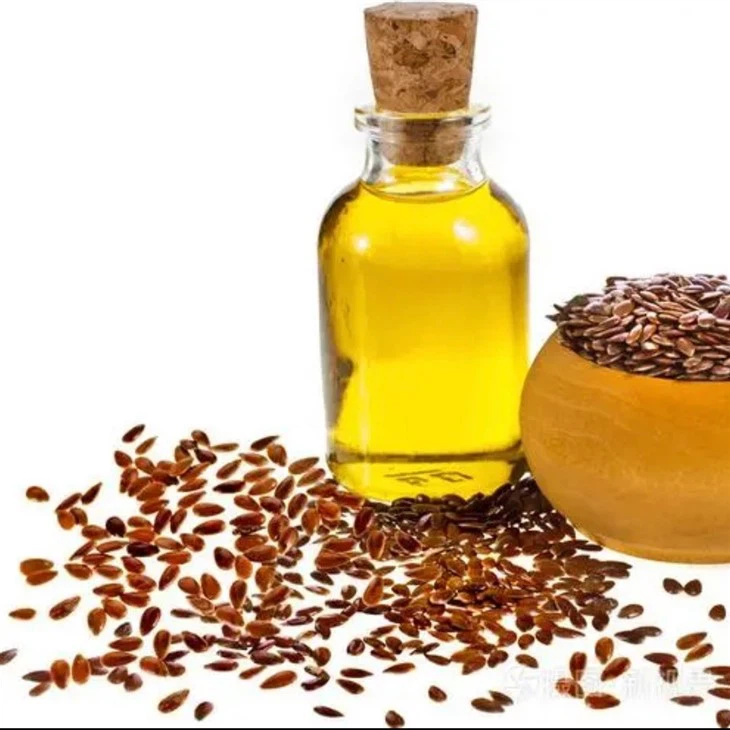

Flaxseed oil, also known as linseed oil, is a traditional edible oil and has been valued for its high content of omega-3 fatty acids (approx. 50 g per 100 g) for decades. The health benefits of the oil are uncontested but how can you add it to your diet?
There are numerous ways to take flaxseed oil
Enjoy straight from the spoon
Add to curd, yogurt or muesli
With savoury herb dip and potatoes in their skins
Add to salad dressing
As supplement for smoothies, fruit or vegetable juices
With steamed vegetables
Add to carot salad or carot juice
Flaxseed oil should not be heated because it is rich in omega-3 fatty acids, especially alpha-linolenic acid, which is very sensitive to temperature. However, you can use it for short steaming of vegetables but Not for frying or deep-frying.
Flaxseed oil with herb dip
Recipe for 1-2 people
Preparation time: approx. 10 minutes
Ingredients
250 g low-fat curd
30 ml flaxseed oil
3-4 tbsp. sparkling water
Salt and peppermint
½ tsp. cane sugar
Fresh herbs (e.g. chives or parsley)
Directions
Place curd and flaxseed oil in a mixing bowl and stir using a hand mixer. Slowly add the sparkling water to make the curd creamy and fluffy. Season with a dash of salt, black pepper, sugar and fresh chopped garden herbs. Optionally, refine with 1 teaspoon of basil spice oil. Serve with potatoes in their skins.
But flaxseed oil can not only be used for savoury dishes. It is an ideal supplement to your breakfast and can be added to yogurt, curd, sweet fruit, nuts and muesli or as refinement for smoothies with fruit and vegetables.
When taken by mouth: Flaxseed oil is likely safe for most adults. Supplements containing 2 grams of flaxseed oil daily have been used safely for up to 6 months. Higher doses of up to 24 grams daily have also been used safely for up to 7 weeks. These larger doses can cause side effects such as loose stools and diarrhea. Allergic reactions are also possible.
When applied to the skin: Flaxseed oil is possibly safe when used short-term. Flaxseed oil has been used safely on the wrist for up to 4 weeks.
When applied into the eye: Flaxseed oil is possibly safe when applied into the eye short-term. Eye drops containing flaxseed oil have been used safely for up to 3 months. Redness and itching may occur in some people.
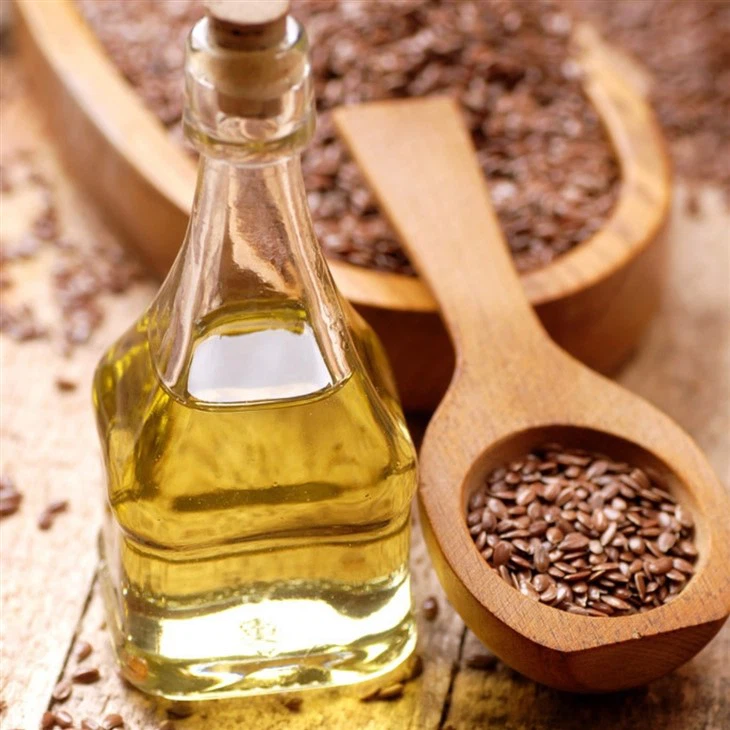

Flaxseed oil is not like your other cooking oils in that you should actually refrain from cooking with it. It's sensitive to heat and has a very low smoke point; just 225°F compared to olive oil's 380°F.
Because of this, most of the uses for flaxseed oil will be as a finishing oil for things like grilled meats, boiled vegetables, cooked grains, salad dressings, a bowl of soup, or even smoothies or shakes.
The mild, clean, crisp flavor of the oil makes it easy to mix with other oils if you're looking for a bolder flavor, and the slightly nutty notes pair well with many different dishes.
Try swapping it out for olive oil in this asparagus bruschetta recipe, drizzle into the cooked quinoa in these roasted sweet potato bowls, garnish your chilled cucumber soup with it, or serve it simply with boiled potatoes and quark-as the Germans do.
How to Store Edible Linseed Oil
It is important to know the correct storage method in order to use flaxseed oil as effectively as possible without losing its freshness by the expiration date. All that is required is whether it can be stored in a sealed state. The reason why it is necessary to keep it sealed is that flaxseed oil is oxidized by contact with air. Close the lid tightly and store as soon as possible after opening. Depending on the container, the lid may loosen as the bottle expands as the temperature rises. It's a good idea to check it from time to time and close it again. Also, where to put it is very important as a way to keep it fresh for a long time.
Flaxseed oil will degrade with exposure to heat, light, and air, causing it to go rancid and taste quite bitter. This is the case for many vegetable and cooking oils, but flaxseed oil is especially susceptible so it's important to keep the oil cool, dry, and in a dark place and check the oil regularly before using.
The point of proper storage of flaxseed oil is to avoid the area around the gas stove where the quality deteriorates due to high temperature and heat, and the place where it is exposed to direct sunlight.
FAQ
Hot Tags: edible linseed oil, China edible linseed oil manufacturers, suppliers, factory, linseed oil for hospitality furniture, linseed oil for crafts, linseed oil for bringing out wood texture, linseed oil for university furniture, linseed oil for cooking, linseed oil for indoor wood


