

As a rosin wax supplier, I've witnessed the diverse uses of rosin wax over the years. Rosin wax, derived from pine trees, has long been a staple in various industries due to its unique chemical properties. Traditionally, it's been used in products like adhesives, soldering fluxes, and musical instrument bows. However, with advancements in technology and a growing demand for sustainable materials, new potential applications for rosin wax are emerging.
1. 3D Printing
One of the most exciting new frontiers for rosin wax is in 3D printing. 3D printing has revolutionized manufacturing by allowing for the creation of complex, customized objects. However, many of the materials used in 3D printing are petroleum - based plastics, which are not environmentally friendly. Rosin wax offers a sustainable alternative.
Rosin wax can be formulated into filaments for fused deposition modeling (FDM) 3D printers. Its natural adhesive properties make it suitable for binding layers together during the printing process. Additionally, rosin wax can be easily modified with additives to enhance its mechanical properties, such as strength and flexibility. For example, by adding cellulose fibers, the resulting rosin - based filament can have improved tensile strength. This makes it a great option for creating prototypes, small - scale production parts, and even artistic objects. If you're interested in exploring sustainable 3D printing materials, our Pure Rosin could be an excellent choice.
2. Cosmetics and Personal Care
In the cosmetics and personal care industry, there is a growing trend towards natural and sustainable ingredients. Rosin wax fits the bill perfectly. It can be used as an emollient and thickening agent in various products.
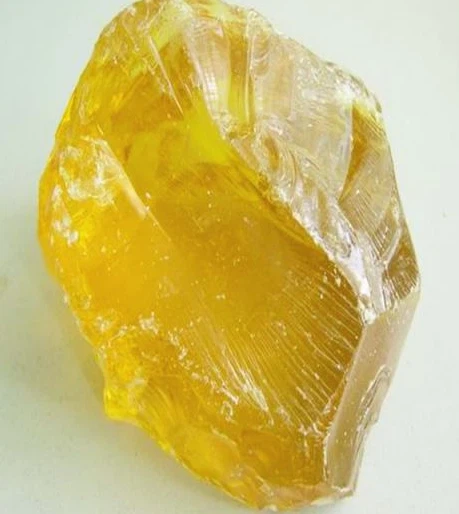
In lip balms, rosin wax helps to form a protective barrier on the lips, preventing moisture loss. Its natural origin also makes it a safer alternative to some synthetic waxes. In hair products, rosin wax can be used to add texture and hold. For example, a hair pomade made with rosin wax can provide a natural - looking shine and a medium - hold style without the greasiness associated with some petroleum - based products. Our Natural Rosin is of high quality and can be incorporated into a wide range of cosmetic formulations.
3. Bio - based Packaging
The packaging industry is under increasing pressure to reduce its environmental impact. Single - use plastics are a major concern, and there is a need for more sustainable alternatives. Rosin wax can play a role in developing bio - based packaging materials.
Rosin wax can be used to coat paper and cardboard to make them more water - resistant and grease - proof. This is particularly useful for food packaging. For example, a rosin - wax - coated paper box can safely hold greasy foods like burgers or fries without the paper getting soggy. Additionally, rosin wax can be combined with other natural polymers, such as starch, to create biodegradable films. These films can be used as an alternative to plastic wraps for packaging fresh produce or other perishable items. Our Pure Rosin can be an essential ingredient in the development of these innovative bio - based packaging solutions.
4. Pharmaceutical Applications
In the pharmaceutical industry, rosin wax has shown potential in drug delivery systems. Its natural origin and biocompatibility make it an attractive option for formulating controlled - release medications.
Rosin wax can be used to create matrix tablets. When a drug is incorporated into a rosin - wax matrix, the wax acts as a barrier that controls the release of the drug over time. This is beneficial for medications that need to be released slowly into the body, such as some painkillers or anti - inflammatory drugs. Additionally, rosin wax can be used in the formulation of topical creams and ointments. Its emollient properties can help to soothe the skin and enhance the penetration of active pharmaceutical ingredients.
5. Energy Storage
The demand for efficient and sustainable energy storage solutions is on the rise. Rosin wax may have a role to play in this area as well.

Researchers are exploring the use of rosin wax in the development of solid - state electrolytes for batteries. Solid - state electrolytes are considered a safer and more stable alternative to liquid electrolytes in lithium - ion batteries. Rosin wax can be modified to have ionic conductivity, which is essential for the transfer of ions within a battery. By using rosin wax - based solid - state electrolytes, the risk of leakage and thermal runaway in batteries can be reduced. This could lead to the development of more reliable and long - lasting energy storage devices.
6. Textile Industry
In the textile industry, rosin wax can be used for various purposes. It can be applied as a sizing agent to improve the strength and smoothness of yarns during the weaving process. Rosin wax can also be used in textile finishing to provide water - repellent properties.
For example, outdoor clothing and sportswear can benefit from a rosin - wax treatment. The wax forms a thin, protective layer on the fabric surface, preventing water from soaking in while still allowing the fabric to breathe. This makes the clothing more comfortable and functional in wet conditions. Moreover, rosin wax is a natural alternative to some synthetic sizing and finishing agents, which is in line with the growing demand for sustainable textiles.
Contact for Purchase and Collaboration
The potential new applications of rosin wax are vast and exciting. Whether you're in the 3D printing, cosmetics, packaging, pharmaceutical, energy storage, or textile industry, rosin wax could offer innovative solutions for your business. As a rosin wax supplier, we are committed to providing high - quality rosin wax products to meet your specific needs.
If you're interested in learning more about our rosin wax products or discussing potential applications, please don't hesitate to reach out. We're looking forward to collaborating with you to explore the endless possibilities of rosin wax.
References
- "Sustainable Polymers from Renewable Resources" by George W. Coates, Craig J. Hawker, and Michael R. Waymouth.
- "Handbook of Cosmetic Science and Technology" by Albert M. Kligman, Howard I. Maibach, and Ronald L. Moy.
- "Pharmaceutical Dosage Forms: Tablets" by Herbert A. Lieberman, Leon Lachman, and Joseph B. Schwartz.
- "Textile Chemistry" by Herbert A. Vogel.