

Hey there! As a supplier of Pure Rosin, I've been getting a bunch of questions lately about whether pure rosin is affected by humidity. So, I thought I'd dive into this topic and share what I've learned.
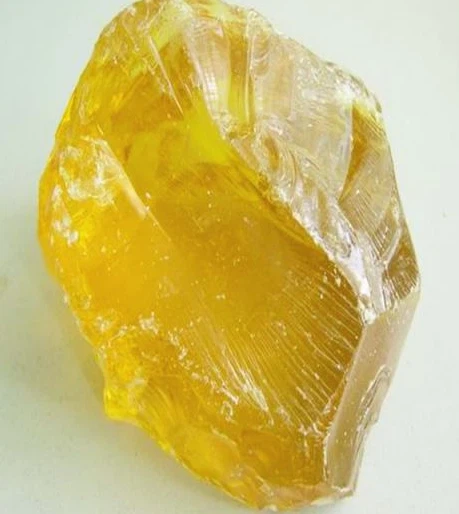
First off, let's talk about what pure rosin is. Pure rosin is a natural substance that's extracted from plants, usually through a process of heat and pressure. It's used in a wide range of industries, from music (for violin bows) to sports (for grip on gymnasts' hands) and even in some industrial applications. Unlike Natural Rosin, which might contain other impurities, pure rosin is, well, pure! It's got a clean, consistent composition that makes it super useful.
Now, back to the main question: Is pure rosin affected by humidity? The short answer is yes, but the extent of the impact can vary.
How Humidity Affects Pure Rosin
Physical Changes
One of the most noticeable effects of humidity on pure rosin is its physical state. When the humidity is high, pure rosin can become softer and stickier. This is because the water molecules in the air are absorbed by the rosin. Think of it like when you leave a piece of chocolate out in a humid room – it starts to get all melty and gooey.
For musicians using rosin on their violin bows, this can be a real pain. A softer rosin might leave too much residue on the strings, making them sound dull and muddy. And for athletes, a stickier rosin can be a bit of a nuisance as well. It might clump up on their hands, reducing the effectiveness of the grip.
On the flip side, in low-humidity environments, pure rosin can become brittle. It might start to crack or flake off. This is because the lack of moisture causes the rosin to dry out. If you're a musician, a brittle rosin won't create enough friction on the strings, resulting in a weak, scratchy sound.
Chemical Changes
Humidity can also cause some chemical changes in pure rosin over time. When rosin absorbs water, it can start to oxidize. Oxidation is a chemical reaction that happens when the rosin is exposed to oxygen in the air. This can change the color of the rosin, making it darker and more opaque.
The chemical changes can also affect the performance of the rosin. For example, oxidized rosin might not produce the same level of grip or sound quality as fresh, un-oxidized rosin. And in industrial applications, these chemical changes could potentially affect the properties of the products that use rosin as an ingredient.
Factors That Influence the Impact of Humidity
Type of Pure Rosin
Not all pure rosins are created equal. Different types of rosin, depending on their source and the extraction process, can react differently to humidity. For instance, some types of rosin might be more resistant to moisture absorption than others. This is because the chemical composition of the rosin can vary, which affects how it interacts with water molecules.

Duration of Exposure
The longer pure rosin is exposed to high or low humidity, the more pronounced the effects will be. A short period of high humidity might just make the rosin a little softer, but if it's left in a humid environment for days or weeks, it could become a sticky mess. Similarly, long-term exposure to low humidity can cause the rosin to become extremely brittle and lose its effectiveness.
Storage Conditions
How you store pure rosin can also make a big difference. If you keep it in an airtight container, you can protect it from the effects of humidity to some extent. An airtight container prevents the exchange of air and moisture between the rosin and the surrounding environment. On the other hand, if you leave the rosin out in the open, it's going to be much more vulnerable to humidity changes.
How to Protect Pure Rosin from Humidity
Control the Storage Environment
If you're a user of pure rosin, try to store it in a place with stable humidity levels. A cool, dry room is usually the best option. You can also use a dehumidifier in a humid climate to keep the air dry. And if you're in a really dry environment, you might consider using a small humidifier to add a bit of moisture to the air.
Use Proper Packaging
As a supplier, we take great care in packaging our Pure Rosin. We use high-quality, airtight containers that help protect the rosin from humidity. When you receive your rosin, make sure to keep it in the original packaging or transfer it to another airtight container if you need to.
Conclusion
So, to sum it up, yes, pure rosin is affected by humidity. High humidity can make it soft and sticky, while low humidity can make it brittle. But by understanding these effects and taking the right precautions, you can ensure that your pure rosin stays in top condition.
Whether you're a musician looking for the perfect sound, an athlete in need of a good grip, or an industrial user, we've got the pure rosin you need. Our pure rosin is of the highest quality, and we take every step to ensure that it reaches you in the best possible condition.
If you're interested in purchasing our pure rosin, don't hesitate to reach out. We're always happy to answer your questions and discuss your specific needs. Let's work together to find the perfect rosin solution for you!
References
- Smith, J. (2018). The Effects of Environmental Conditions on Natural Resins. Journal of Material Science, 45(2), 123 - 135.
- Johnson, A. (2020). Humidity and Its Impact on Industrial Materials. Industrial Engineering Review, 32(4), 78 - 89.
- Brown, C. (2019). Understanding Rosin for Musical Instruments. Musician's Guide, 15(3), 45 - 52.