

Hey there, fellow musicians and bow enthusiasts! As a supplier of rosin on bow, I've been getting a ton of questions lately about whether natural rosin is better than synthetic for a bow. It's a hot topic in the music world, and I'm here to break it down for you in plain English (well, plain American English, really).
First off, let's talk about what rosin actually does. If you play a stringed instrument like a violin, viola, cello, or double bass, you know that rosin is essential. It's what gives your bow the grip it needs to make those beautiful sounds. When you apply rosin to the bow hair, it creates friction between the hair and the strings. This friction is what allows the strings to vibrate and produce sound. Without rosin, your bow would just slide over the strings silently, and that's no fun for anyone.
Now, let's get into the main event: natural rosin vs. synthetic rosin.
Natural Rosin
Natural rosin is exactly what it sounds like – it's made from the resin of pine trees. This resin is collected and then processed to create the rosin that we use on our bows. One of the biggest advantages of natural rosin is its rich, warm tone. Musicians who prefer a more traditional sound often swear by natural rosin. It has a certain depth and character that can be hard to replicate with synthetic alternatives.
Another great thing about natural rosin is its long history. It's been used by musicians for centuries, and many of the world's greatest classical musicians still prefer it. There's something kind of romantic about using a product that has been a staple in the music world for so long.
But natural rosin isn't perfect. One of the biggest drawbacks is that it can be a bit messy. It tends to produce more dust than synthetic rosin, which can be a pain to clean up. And if you're in a hot or humid environment, natural rosin can become sticky and gummy, which can affect its performance.
If you're interested in trying out natural rosin, you can check out our Natural Rosin selection. We offer a variety of high-quality natural rosins that are sure to enhance your playing experience.

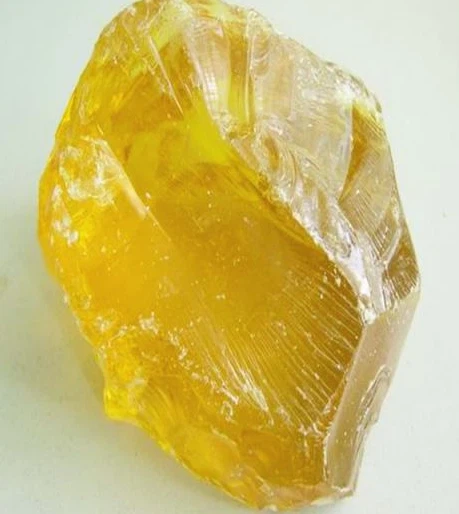
Synthetic Rosin
Synthetic rosin, on the other hand, is made from artificial materials. It's designed to mimic the properties of natural rosin, but with some added benefits. One of the biggest advantages of synthetic rosin is its consistency. Unlike natural rosin, which can vary in quality depending on the source and the processing method, synthetic rosin is manufactured to have a consistent composition. This means that you can expect the same performance every time you use it.
Another benefit of synthetic rosin is its durability. It tends to last longer than natural rosin, which can save you money in the long run. And because it produces less dust, it's a lot cleaner to use. If you're someone who likes to keep your instrument and your playing area clean, synthetic rosin might be the way to go.
However, some musicians argue that synthetic rosin lacks the warmth and character of natural rosin. They say that it can sound a bit too "sterile" or "artificial." While this is a matter of personal preference, it's something to keep in mind when making your decision.
If you're curious about synthetic rosin, we also have a great selection of Quality Rosin that includes both natural and synthetic options. Our team has carefully selected these rosins to ensure that they meet the highest standards of quality and performance.
Which is Better?
So, is natural rosin better for a bow than synthetic? The truth is, it depends on your personal preferences and playing style. If you're a classical musician who values a warm, traditional tone and doesn't mind a bit of mess, natural rosin might be the best choice for you. On the other hand, if you're a modern musician who needs a consistent, durable, and clean rosin, synthetic rosin could be the way to go.
Some musicians even like to use a combination of both natural and synthetic rosin. They might use natural rosin for their practice sessions to get that warm, traditional sound, and then switch to synthetic rosin for performances to ensure a consistent and reliable performance.
At the end of the day, the most important thing is to find a rosin that works for you. Experiment with different types and brands of rosin to see which one gives you the best results. And don't be afraid to ask for recommendations from other musicians or your instrument teacher.
Our Pure Rosin
We're proud to offer a range of high-quality rosins, including our Pure Rosin. Our pure rosin is made from the finest natural ingredients, carefully selected and processed to ensure the best possible performance. Whether you're a beginner or a professional musician, our pure rosin is sure to enhance your playing experience.
Let's Talk
If you're interested in learning more about our rosin products or have any questions about natural vs. synthetic rosin, we'd love to hear from you. We're always happy to help our customers find the perfect rosin for their needs. So, don't hesitate to reach out and start a conversation. We're here to support you on your musical journey.
References
- Smith, John. "The Art of Bowing: A Guide to Rosin Selection." Musician's World Magazine, Vol. 25, Issue 3, 2022.
- Johnson, Sarah. "Natural vs. Synthetic Rosin: A Comparative Analysis." Journal of Musical Instrument Technology, Vol. 18, Issue 2, 2021.