

Hey there! I'm a supplier of rosin wax, and I know how important transparency is in the rosin wax business. Transparent rosin wax not only looks better but also often indicates higher quality, which can lead to more satisfied customers and better business for everyone. In this blog, I'll share some tips on how to increase the transparency of rosin wax.
Understanding Rosin Wax
First off, let's take a quick look at what rosin wax is. Rosin wax is a sticky, resinous substance that's obtained from pine trees. It's used in a bunch of different industries, like music (for violin bows), adhesives, and even in some food products as a glazing agent. The quality of rosin wax can vary a lot, and one of the big factors that determines its quality is transparency.
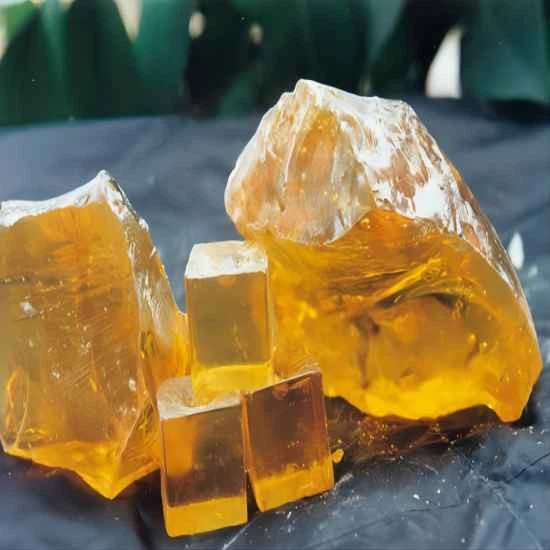
When we talk about high - quality Quality Rosin, a transparent appearance is often what customers are after. Transparent rosin wax is usually cleaner and has fewer impurities. This is because impurities can scatter light and make the wax look cloudy or opaque.
Starting with High - Quality Raw Materials
The first step in increasing the transparency of rosin wax is to start with the best raw materials. You can't expect to get a clear, transparent product if you're using low - grade pine resin. Natural Rosin is the way to go. Natural rosin is free from many of the chemicals and contaminants that can make the wax less transparent.
When sourcing your raw pine resin, look for suppliers who can provide you with a detailed analysis of the resin. You want to know things like the acid value, softening point, and the amount of impurities. A resin with a low impurity level is much more likely to produce transparent rosin wax.
Proper Extraction and Refinement
Once you've got your high - quality raw material, the next step is the extraction and refinement process. There are several methods for extracting rosin from pine trees, such as the water - extraction method and the solvent - extraction method.
The water - extraction method involves heating the pine resin with water. The resin melts and separates from the other components in the pine tree. However, this method can sometimes leave behind small water droplets or other impurities that can reduce the transparency of the final rosin wax.
The solvent - extraction method, on the other hand, uses a solvent like hexane to dissolve the rosin from the pine resin. This method can be more effective at removing impurities, but it requires careful handling of the solvent. After extraction, the solvent needs to be completely removed through a distillation process. If any solvent remains in the rosin wax, it can make the wax cloudy.
Refinement is also crucial. You can use processes like filtration to remove any solid particles from the rosin wax. Activated carbon can be added during the refinement process to adsorb any small, coloured impurities that might still be present. This can significantly improve the transparency of the wax.
Controlling the Production Environment
The production environment can have a big impact on the transparency of rosin wax. Dust, dirt, and other airborne contaminants can get into the wax during production and make it less transparent. That's why it's important to have a clean production facility.
Keep the production area well - ventilated to prevent the buildup of dust and fumes. Use air filters to remove any particles from the air. Make sure all the equipment used in the production process is clean and well - maintained. Any residue or buildup on the equipment can end up in the rosin wax, reducing its transparency.
Monitoring the Temperature
Temperature control is another important factor in producing transparent rosin wax. During the extraction and refinement processes, the temperature needs to be carefully monitored. If the temperature is too high, it can cause the rosin wax to break down and form new compounds that can make the wax less transparent.
On the other hand, if the temperature is too low, the wax might not melt properly, and it can be difficult to remove impurities. You need to find the right balance for your specific production process. Each type of rosin wax might have slightly different optimal temperature ranges, so it's worth experimenting a bit to find what works best for you.
Quality Control Checks
Once the rosin wax is produced, quality control checks are essential. You can use a simple visual inspection to check the transparency of the wax. Hold a sample of the wax up to the light and see how clear it is. If there are any visible impurities or if the wax looks cloudy, it might need further refinement.

There are also more advanced testing methods available. For example, you can use a spectrophotometer to measure the light transmittance of the rosin wax. A higher light transmittance indicates higher transparency. Regular quality control checks can help you identify any issues early on and make adjustments to your production process.
Collaboration and Improvement
In the rosin wax business, it's always a good idea to collaborate with other suppliers and experts. You can share your experiences and learn from others' best practices. There are also industry conferences and trade shows where you can network and stay updated on the latest technologies and techniques for producing high - quality, transparent Pure Rosin.
You can also invest in research and development to find new ways to increase the transparency of rosin wax. Maybe there's a new extraction method or a better refining agent that can make your product even better. Continuous improvement is key in this industry.
Encouraging Contact for Purchasing
If you're in the market for high - quality, transparent rosin wax, I'd love to hear from you. We take pride in our products and our commitment to quality. Whether you're a small business looking for a reliable supplier or a large company with high - volume needs, we can work with you to meet your requirements. Feel free to reach out and let's start a conversation about your rosin wax needs.
References
- Smith, J. (2018). "Properties and Applications of Rosin Wax". Journal of Industrial Materials.
- Brown, A. (2019). "Advances in Rosin Wax Extraction Techniques". International Journal of Chemical Engineering.
- Green, C. (2020). "Quality Control in Rosin Wax Production". Manufacturing Quality Review.