

Hey there! As a rosin wax supplier, I've been dealing with rosin wax for quite a long time. One of the most common issues that we often face in the rosin wax industry is how to control the crystallization of rosin wax. In this blog, I'm gonna share some tips and tricks on how to handle this problem.
First off, let's understand what rosin wax is. Rosin wax is a natural resin obtained from pine trees. It has a wide range of applications, from adhesives to cosmetics. There are different types of rosin wax, like Pure Rosin and Natural Rosin. Each type has its own characteristics, but they all can face crystallization issues.
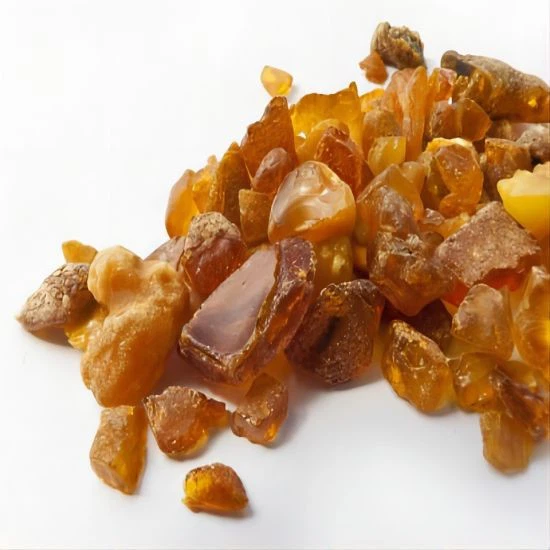
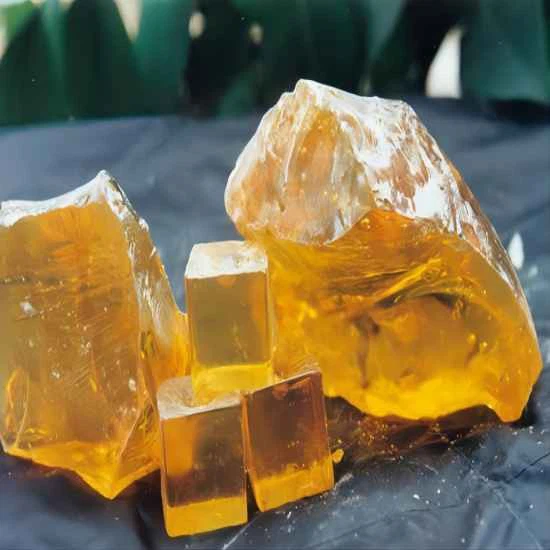
Crystallization in rosin wax can be a real headache. It can change the physical properties of the wax, like its viscosity and melting point. This can affect the quality of the final product that uses rosin wax. For example, in adhesives, crystallized rosin wax may not bond as well, leading to a weaker adhesive.
So, how do we control this crystallization? Well, one of the key factors is temperature. Rosin wax crystallization is highly influenced by temperature changes. When the temperature drops too quickly, the molecules in the rosin wax start to arrange themselves in an orderly manner, which leads to crystallization. To avoid this, we need to control the cooling rate.
We can use a controlled cooling process. Instead of letting the rosin wax cool down rapidly in a cold environment, we can gradually lower the temperature. For instance, we can use a cooling chamber where we can set the temperature to drop at a slow and steady pace. This gives the rosin wax molecules enough time to adjust without forming crystals.
Another important factor is the purity of the rosin wax. Impurities in the rosin wax can act as nucleation sites for crystallization. That means they provide a starting point for the crystals to form. So, it's crucial to use high - quality Pure Rosin. By removing as many impurities as possible during the production process, we can reduce the chances of crystallization.
We can use filtration and purification techniques to get rid of these impurities. Filtration helps to remove large particles, while purification processes like distillation can remove smaller impurities and volatile components. This not only reduces the risk of crystallization but also improves the overall quality of the rosin wax.
The addition of additives can also play a big role in controlling crystallization. Some additives can interfere with the crystallization process. For example, certain polymers can be added to the rosin wax. These polymers can disrupt the formation of crystal structures by getting in between the rosin wax molecules. They prevent the molecules from arranging themselves in an orderly way, thus inhibiting crystallization.
But we need to be careful when choosing additives. We have to make sure that the additives are compatible with the rosin wax and do not affect its other properties. We also need to determine the right amount of additives to use. Too little may not have an effect, while too much can change the properties of the rosin wax in an unwanted way.
Mixing different types of rosin wax can also be a strategy. Different rosin waxes have different molecular structures. By mixing them, we can create a more complex molecular environment. This complexity makes it harder for the molecules to form crystals. For example, we can mix a high - melting - point rosin wax with a low - melting - point one. The difference in their melting points and molecular structures can disrupt the crystallization process.
Storage conditions also matter a lot. If the rosin wax is stored in a place with large temperature fluctuations, it is more likely to crystallize. We should store the rosin wax in a place with a stable temperature. A warehouse with temperature - controlled systems is ideal. Also, we should keep the rosin wax away from direct sunlight and moisture. Sunlight can heat up the wax, and moisture can introduce impurities, both of which can increase the risk of crystallization.
In addition to these technical aspects, quality control during the production process is essential. We need to regularly test the rosin wax for signs of crystallization. We can use techniques like differential scanning calorimetry (DSC) to detect any changes in the thermal properties of the rosin wax. If we detect early signs of crystallization, we can take corrective actions immediately.
We can also train our production staff to be aware of the factors that can lead to crystallization. They should know how to control the temperature, use additives correctly, and handle the rosin wax during storage and transportation. By having a well - trained team, we can ensure that the production process is optimized to prevent crystallization.
As a rosin wax supplier, I know that the ability to control crystallization is crucial for our customers. Whether they are using rosin wax in adhesives, coatings, or other products, they need a high - quality and stable product. By implementing these strategies, we can provide our customers with rosin wax that has a low risk of crystallization and meets their specific requirements.
If you're interested in our rosin wax products or have any questions about controlling crystallization, feel free to reach out to us. We're always happy to have a chat and discuss how we can meet your needs.
In conclusion, controlling the crystallization of rosin wax is a multi - faceted task. It involves controlling temperature, ensuring purity, using additives, and proper storage. By paying attention to these aspects, we can produce high - quality rosin wax that is less likely to crystallize. This not only benefits our customers but also helps us maintain a good reputation in the market.
References
- "The Chemistry of Rosin and Its Applications" - A textbook on the chemistry and applications of rosin, which provides in - depth knowledge about rosin wax crystallization.
- Industry research papers on the use of additives in rosin wax to control crystallization.
- Reports on the effect of temperature and storage conditions on rosin wax quality.