

Hey there! I'm a rosin supplier, and today, I'm super stoked to dive into how rosin interacts with other chemicals. Rosin is this amazing, versatile substance that's been around for ages, and its chemical interactions are just mind - blowing.
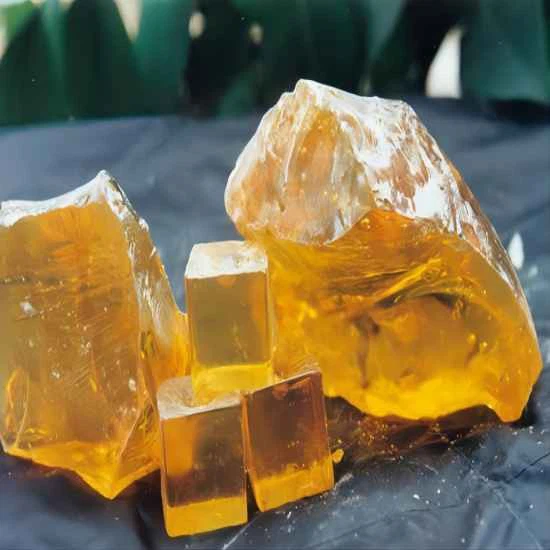
First off, let's talk a bit about what rosin is. Rosin is basically a solid form of resin that comes from pines and some other plants. It's got a wide range of uses, from being used in musical instruments like violins to being a key ingredient in adhesives and soldering fluxes.
When it comes to its chemical makeup, rosin is mainly composed of resin acids. These resin acids are the ones that give rosin its unique properties and are responsible for most of its chemical interactions.
One of the most common types of interactions rosin has is with metal ions. For example, when rosin comes into contact with copper ions, a chemical reaction can occur. The resin acids in rosin can form complexes with the copper ions. This is really important in soldering applications. When you're soldering, the rosin in the soldering flux helps to clean the copper surface. The resin acids react with any oxide layer on the copper, removing it and allowing the solder to bond properly. You can check out Pure Rosin which is great for high - quality soldering applications because of its purity and better chemical reactivity with metals.
Another interesting interaction is with alkalis. Rosin is insoluble in water, but when it reacts with alkalis like sodium hydroxide, it forms water - soluble salts. This reaction is called saponification. The resulting rosin soaps are used in a variety of industries, such as in the production of paints and coatings. In the paint industry, these rosin soaps can act as emulsifiers, helping to mix oil - based and water - based components. If you're looking for a rosin that can react well with alkalis, Quality Rosin is a top choice as it has the right balance of resin acids for this type of reaction.
Rosin also interacts with solvents. Different solvents can dissolve rosin to different extents. For example, organic solvents like acetone and toluene can dissolve rosin relatively easily. This property is used in the manufacturing of adhesives. By dissolving rosin in a suitable solvent, you can create a sticky solution that can be used to bond different materials together. When choosing a rosin for adhesive applications, Natural Rosin is a fantastic option as it has good solubility in common solvents and provides strong adhesion.
In the rubber industry, rosin can interact with rubber polymers. It can act as a tackifier, which means it increases the stickiness of the rubber. This is crucial in the manufacturing of tires and other rubber products. When rosin is added to rubber compounds, it helps the rubber to stick to itself during the molding process, ensuring a strong and uniform product.
Now, let's talk about oxidation. Rosin is prone to oxidation when exposed to air over time. Oxidation can change the chemical properties of rosin. The resin acids in rosin can react with oxygen in the air, forming new compounds. This can lead to a change in color, from a light yellow to a darker brown, and can also affect its physical properties like its melting point and viscosity. To prevent oxidation, sometimes antioxidants are added to rosin products.
In the food industry, rosin has some interesting interactions too. Although food - grade rosin is used, it can interact with certain food components. For example, in the production of chewing gum, rosin can interact with flavorings and sweeteners. It helps to hold these components together and gives the chewing gum its characteristic texture.
When it comes to its interaction with acids, rosin is relatively stable under normal conditions. But in the presence of strong acids, the resin acids in rosin can undergo chemical changes. For instance, concentrated sulfuric acid can cause rosin to decompose. This is something that needs to be carefully controlled in industrial processes where rosin might come into contact with acidic substances.
Rosin can also interact with other organic compounds. In the perfume industry, rosin can be used as a fixative. It can interact with volatile fragrance compounds, slowing down their evaporation rate and making the perfume last longer on the skin.
In the textile industry, rosin can be used in sizing agents. It can interact with the fibers of the fabric, providing stiffness and protection. When rosin - based sizing agents are applied to textiles, the resin acids in rosin can form a thin film on the fibers, improving the fabric's handling properties and resistance to abrasion.
As a rosin supplier, I know how important it is to understand these chemical interactions. Different applications require different types of rosin based on its chemical reactivity. Whether you're in the soldering, adhesive, paint, or any other industry that uses rosin, choosing the right rosin for your specific chemical interactions is crucial for getting the best results.
If you're interested in learning more about our rosin products and how they can fit into your specific chemical processes, I'd love to have a chat with you. Reach out to me to start a discussion about your rosin needs. We can tailor our products to meet your exact requirements, ensuring that you get the most out of rosin's amazing chemical interactions.
References

- “The Chemistry of Rosin and Its Applications” by Chemical Industry Press
- “Industrial Uses of Rosin” in Journal of Applied Chemistry
- “Rosin in Food and Beverage Industry” by Food Science Research Journal