

How does boiled tung oil work to preserve wood?
As a supplier of Boiled Tung Oil, I've witnessed firsthand the transformative power of this remarkable product in wood preservation. In this blog post, I'll delve into the science behind how boiled tung oil works to protect and enhance wood, exploring its unique properties, application process, and the numerous benefits it offers.
Understanding Tung Oil: A Brief Overview
Tung oil is derived from the seeds of the tung tree (Vernicia fordii), native to China. It has been used for centuries in traditional woodworking and finishing applications due to its exceptional protective and aesthetic qualities. There are three main types of tung oil: Pure Tung Oil, Raw Tung Oil, and Boiled Tung Oil.
- Pure Tung Oil is the natural, unprocessed form of tung oil. It is slow-drying and requires multiple coats to achieve a durable finish.
- Raw Tung Oil is also in its natural state but may contain some impurities. It has similar drying characteristics to pure tung oil.
- Boiled Tung Oil, on the other hand, has been treated with additives to accelerate the drying process. This makes it more convenient for practical use, as it can be applied and dried more quickly than pure or raw tung oil.
How Boiled Tung Oil Preserves Wood
The preservation process of boiled tung oil begins with its unique chemical composition. Tung oil contains a high percentage of eleostearic acid, a type of unsaturated fatty acid. When applied to wood, this acid undergoes a chemical reaction called oxidation, which causes the oil to polymerize and form a hard, protective film on the wood surface.
- Penetration and Saturation: Boiled tung oil has excellent penetration properties, allowing it to seep deep into the wood fibers. This saturation fills the pores of the wood, preventing moisture from entering and causing damage such as warping, cracking, or rot. By creating a barrier against moisture, the oil helps to maintain the structural integrity of the wood over time.
- Formation of a Protective Film: As the oil oxidizes and polymerizes, it forms a tough, flexible film on the wood surface. This film acts as a shield against scratches, abrasions, and stains, protecting the wood from everyday wear and tear. It also provides a natural UV barrier, reducing the effects of sunlight exposure and preventing the wood from fading or discoloring.
- Enhancement of Wood Appearance: In addition to its protective properties, boiled tung oil enhances the natural beauty of wood. It brings out the grain and color of the wood, giving it a rich, warm, and lustrous finish. The oil also adds a depth and dimension to the wood surface, making it more visually appealing.
Application Process
Applying boiled tung oil to wood is a relatively straightforward process, but it requires some preparation and attention to detail. Here are the general steps involved:
- Surface Preparation: Start by sanding the wood surface to remove any rough spots, splinters, or old finish. Use a fine-grit sandpaper to achieve a smooth, even surface. Wipe the wood clean with a damp cloth to remove any dust or debris.
- Application: Pour a small amount of boiled tung oil onto a clean, lint-free cloth or a brush. Apply the oil to the wood surface in a thin, even coat, working in the direction of the grain. Use long, smooth strokes to ensure complete coverage. Pay special attention to the edges and corners of the wood.
- Penetration and Absorption: Allow the oil to penetrate the wood for about 15-20 minutes. If the oil is absorbed quickly, apply another coat. If the oil sits on the surface without being absorbed, wipe off the excess oil with a clean cloth.
- Drying Time: Let the first coat of oil dry completely. This usually takes about 24 hours, but it may vary depending on the temperature and humidity conditions. Avoid touching or using the wood during the drying process.
- Additional Coats: For a more durable and protective finish, apply 2-3 additional coats of boiled tung oil, allowing each coat to dry completely before applying the next one. Sand the wood lightly between coats to ensure a smooth finish.
- Final Buffing: Once the final coat has dried, buff the wood surface with a clean, soft cloth to remove any excess oil and to bring out the shine.
Benefits of Using Boiled Tung Oil
There are several benefits to using boiled tung oil for wood preservation:
- Natural and Environmentally Friendly: Boiled tung oil is a natural product derived from renewable resources. It does not contain harmful chemicals or solvents, making it a safe and environmentally friendly choice for wood finishing.
- Durable and Long-Lasting: The protective film formed by boiled tung oil is highly durable and can withstand years of use. It provides long-term protection against moisture, scratches, and stains, extending the lifespan of the wood.
- Enhanced Wood Performance: By filling the pores of the wood and preventing moisture penetration, boiled tung oil improves the structural integrity of the wood. It reduces the risk of warping, cracking, and rot, making the wood more stable and reliable.
- Aesthetically Pleasing: Boiled tung oil enhances the natural beauty of wood, giving it a rich, warm, and lustrous finish. It brings out the grain and color of the wood, making it more visually appealing.
- Easy to Maintain: Maintaining a wood surface finished with boiled tung oil is simple. Regular cleaning with a mild soap and water solution is usually sufficient to keep the wood looking its best. If the wood becomes dull or worn over time, you can apply a fresh coat of oil to restore its shine and protection.
Conclusion
Boiled tung oil is a versatile and effective solution for wood preservation. Its unique chemical properties allow it to penetrate deep into the wood fibers, form a protective film on the surface, and enhance the natural beauty of the wood. By following the proper application process and using high-quality boiled tung oil, you can protect your wood surfaces from moisture, scratches, and stains, and enjoy their beauty and durability for years to come.
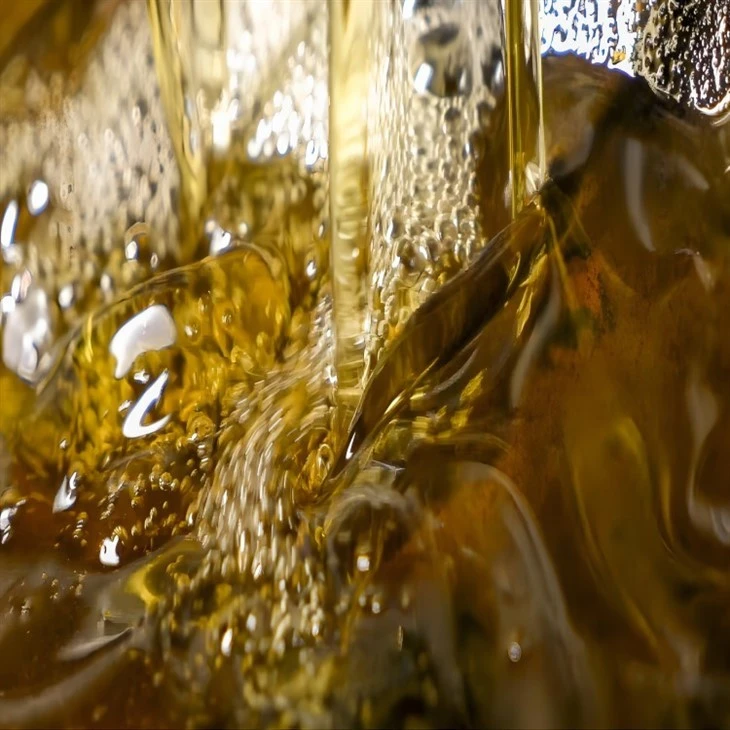

If you're interested in learning more about our Boiled Tung Oil products or have any questions about wood preservation, please don't hesitate to contact us. We're here to help you find the right solution for your woodworking needs.
References
- "Tung Oil: A Natural Wood Finish." Woodworking Network.
- "The Chemistry of Tung Oil." Journal of Wood Science.
- "Using Tung Oil for Wood Preservation." Fine Woodworking Magazine.