


Wangmo County Tonghong Trading Co., Ltd
Wangmo County Tonghong Trading Co., Ltd , established in 2010, is an international trading company integrating R & D, production, sales and consignment. Our company from the establishment up to now, has an area of more than 900 acres of factories and planting base, the laboratory is also beginning to take shape at the present stage.Has many years of product sales experience and excellent customer resources.
Why Choose US
Our Factory
Wangmo County Tonghong Trading Co., Ltd , established in 2010, is an international trading company integrating R & D, production, sales and consignment. Our company from the establishment up to now, has an area of more than 900 acres of factories and planting base, the laboratory is also beginning to take shape at the present stage.
Our Product
At present, it specializes in the import and export business of tung oil and its related by-products. Also, the company has dealt in agricultural and sideline products such as oil tea seeds, camellia oil and linseed oil since 2015.
Our Certificate
Our management system has passed ISO9001 international certification. We also have a lot of patented production equipment.
Our Service
Our professional staff will follow up in time. We will carefully understand the needs of customers to provide customers with intimate service.

The applicable period of the polymer is 3.3-dioxy-4.4 than that of MOCA-diaminophenylmethane is 2-3 times longer. The safety of the art reduces the toxicity of the operating environment while reducing the cost of polyurethane. At the same time, tung oil can treat rheumatism. Meanwhile,tung oil can clear heat, relieve pain, kill insects, relieve itching, reduce swelling, used to treat damp and heat rheumatism effect is better. Tung oil can be used as a kind of Chinese herbal medicine, with better medicinal effects, such as clearing heat and detoxifying, relieving itching, relieving swelling and relieving pain, detoxifying dampness, etc., and can also be used to treat skin diseases such as sou-fire sore and chilblennia.

Tung oil is divided into raw tung oil and cooked tung oil, raw tung oil used in medicine and chemical industry; Cooked tung oil is processed from raw tung oil, which can replace varnish and paint and other coatings, and is directly used for machine maintenance, indoor wood flooring, wooden ceiling, sauna board, wooden balcony handrails, etc. Outdoor wooden floors, flower shelves, wooden houses, pavilions, fences, wooden Bridges, boats, chairs, wooden farm tools, etc.

The oil fume ink of the ancient method is dominated by the oil fume of the ancient method, and the raw material of the oil fume is collected by the most primitive smoke refining method. The tung oil, lard and raw paint are burned by the lampgrass and the smoke is collected by the bowl. Then use this smoke plus animal skin glue, with a variety of rare and rare accessories, by thousands of hammer million pestle refined. The whole process is divided into smoke, and material, press grinding, drying, edge filing, gold tracing, packing and other processes. The finished product does not contain any modern chemical additives, and has the characteristics of black and smooth color, firm and bright, no halo in paper, no glue in licking pen, long and not fading, rich aroma and anti-corrosion and mothproof.

The main component of tung oil is tung oil triglyceride, that is, 18 carboconjugated triene-9,11, 13-acid triglyceride. Under the action of base and acid, the triglycerol of tung oleic acid is hydrolyzed into unsaturated tung oleic acid containing three conjugated double bonds. Structurally it has good film formation, quick drying, tough film, water resistance, light resistance and resistance.
What is Raw Tung Oil
The main component of tung oil is tung oil triglyceride, that is, 18 carboconjugated triene-9,11, 13-acid triglyceride. Under the action of base and acid, the triglycerol of tung oleic acid is hydrolyzed into unsaturated tung oleic acid containing three conjugated double bonds. Moreover, Tung oil is seen as the best protection for wooden ships. Tung is preferred over linseed oil because it dries faster, is stronger and is not so dark with time. Pure Tung oil is water resistant, penetrates well, is elastic and normally does not tear. Tung oil quickly gives a solid layer thickness, protects the wood excellently and gives a transparent, matte finish. You keep Tung oil the best in a sealed bottle with as little oxygen as possible (full bottles). Raw Tung oil smells somewhat like nuts, is pale yellow in color and contains no thinners or dry substances.
Advantages of Raw Tung Oil
Natural and Non-Toxic: Tung oil is derived from the nut of the tung tree and is considered safe for children's toys, as it's non-toxic and doesn't contain harmful chemicals.
Enhances Wood's Natural Beauty: Tung oil brings out the natural grain and color of the wood, making toys look more appealing.
Durable Finish: It forms a hard and durable finish that can withstand wear and tear, making it suitable for toys subjected to rough handling.
Water-Resistant: Tung oil is relatively water-resistant, which helps protect wooden toys from moisture and spills.
Easy to Apply: It's easy to apply, either by rubbing or brushing, and doesn't require extensive equipment or expertise.
Preparation of Tung Oil
Since tung oil will highlight the grain and surface of the wood, it will also highlight any surface blemishes and scratches that are left behind. Therefore, take your time to prepare the wood surface before you start to apply the product.
Sanding sealers are usually used to fix problems with uneaven absorption of stains, however it is not required under penetrating oil finishes such as tung oil. If you do choose to use sanding sealers, it is recommended that you are sanding to 180/220 grit, and only move on to finer sanding once the sealer is applied.
Sand the surface using progressively finer sandpaper until you reach 220 grit (or optionally 320-dry grit) sandpaper. This will leave the surface smooth and there should be no visible scratch marks that remain.
Clean the surface
The proper application of tung oil depends on you starting with a clean and prepared surface. Before you start, make sure there's no grease, oil, dirt, dust, or other contaminants on the surface.
If necessary, start by sanding or stripping the surface to remove any coating or finish that's already there. Tung oil can only be applied to bare surfaces or over another coat of tung oil. Follow that up by cleaning the surface with trisodium phosphate. Sand the surface one more time with 150-grit sandpaper, and then vacuum well to remove all dust.
Thin the oil
A thinner will make the tung oil easier to apply, faster to dry, and will improve penetration. The only time you shouldn't thin the oil first is if you're applying it to weathered wood, concrete, old and unfinished wood floors, or other highly absorbent surfaces. To thin the oil, combine it with equal parts Citrus Solvent, mineral spirits, or Odorless Mineral Spirits before application. You could also choose one of our pre-thinned options, Half & Half or Dark Half, to use straight out of the bottle!
Apply a generous first layer
You can apply the oil with a natural bristle brush, a sponge brush, or a soft and lint-free rag. Apply the oil liberally to the surface. Unlike varnish, which sits on top of the wood, the goal with tung oil is to thoroughly saturate the wood cells. When you've applied the first coat, let the oil absorb.
Apply subsequent coats
After the first coat has absorbed, apply a second coat. Continue this process of applying coats, waiting 40 minutes between coats if necessary, until over 80 percent of the surface stays glossy for at least 40 minutes. This means the wood cells have been saturated and you can move to the next step. Decorative items may need two to four coats, while functional surfaces that will be handled, used, or walked on will need a minimum of three to five.
Removing unabsorbed oil from the surface
After you've applied multiple coats and the wood won't absorb any more oil, use a clean rag to wipe the surface. If there are any puddles of oil on the surface, mop them up with the rags. This is important as you don't want the tung oil to start curing on the surface.
At this point, your surface is fully saturated. However, the pure tung oil will settle inside the wood/material overnight on through the next day. To get the best finish we recommend applying one or two more coats of the oil, following the instructions previously stated, after this period of waiting. Make sure to wipe up oil that's on the surface that does not absorb. Hang oil-soaked rags separately outside to dry before disposing.
Let the oil cure for up to 30 days
From here, the oil will need a week to 10 days to start curing, and 15 days to 30 days to fully cure. Do not put the tung oiled object in direct sunlight for an extended period of time. For the first 10 days of curing, check and wipe up any tung oil that may seep to the surface. During this curing time, you can walk on floors with clean shoes, but avoid placing heavy objects on the floor or walking on it with dirty shoes. (Tip: put old rags under your shoes to walk across the surface no matter what shoes you're wearing.) There are no other sealers or protective products needed on top of your oil. It naturally seals, waterproofs, and protects your surfaces!
Cleaning your surfaces
Pure tung oil is easy to clean! For your floors or other wooden objects, just simply use hot water and standard dish soap.
Reapply as necessary to revive and provide more protection
Surfaces that are used often or walked on frequently may need some maintenance to revive their look and add more protection. To do this, simply mix 2 parts thinner to 1 part tung oil and wipe down your surfaces. Allow time to dry as necessary.
Applying tung oil is easy and effective! The main tips to remember are: don't leave excess oil on the surface during the curing phase, no sanding necessary between coats, no other sealer or topcoats needed and use 2 parts thinner to 1 part tung oil for maintenance.
Drying of Tung Oil


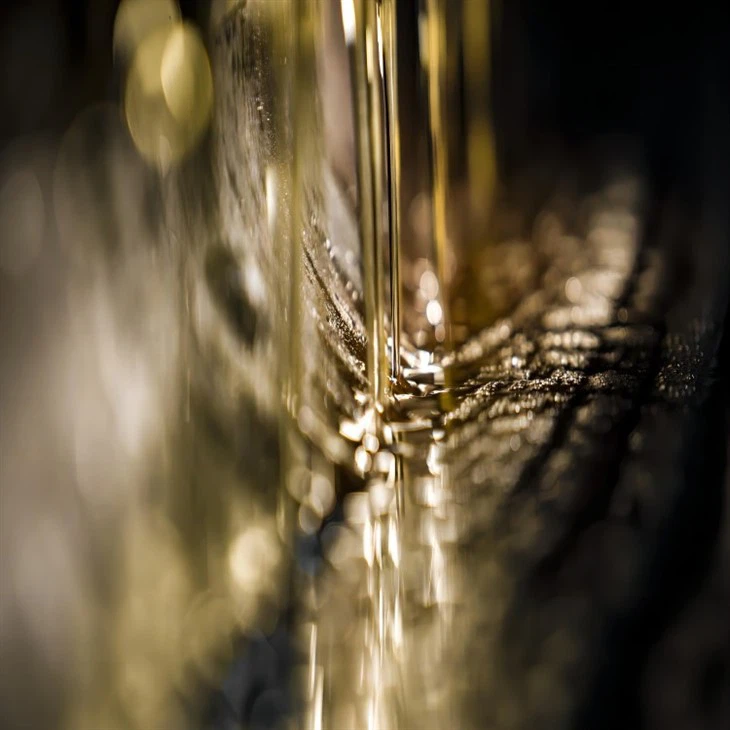
Pure Tung Oil will leave a "dry" surface immediately after all the excess is removed, however, the oil will take about 7-14 days to dry and up to 30 days to reach full cure. The following are some general tips, with more project specific tips to follow:
As the surface and tung oil settle and acclimate, some oil may bleed or seep to the surface. Keep clean rags handy for the first 2 weeks to wipe up any shiny spots that may occur.
Tung oil cures through oxidation (exposure to oxygen). Avoid "suffocating" the surface by keeping it uncovered as much as possible for at least 30 days. Maintain good air movement whenever possible.
Use plastic sliders where possible to avoid wicking of the oil into wooden legs, cloth, rubber, and felt (for the first 30 days).
Floors
You can walk on floors immediately after the final application in socks or with clean rags underfoot. DO NOT use the surface with shoes or bare feet for at least 14 days.
Furniture that sits high off the floor can be replaced immediately, but it is best to wait if possible. Again, low furniture and area rugs should be kept off the surface for at least 30 days.
If you need to cover any portion of the floor, you can use red rosin paper, RAM board, plastic, painter's cloths or cardboard, but do not leave it covered for more than a day.
Countertops, Butcherblocks, etc.
Avoid dirt, water, or other liquids for at least 7-10 days after the final application.
If you need to use a sink, protect the area with wax or parchment paper and wipe up any liquids IMMEDIATELY.
Do not leave appliances, cutting boards, dishes, cloths, or any other object on the surface for long periods of time. Allow the surface to "breathe" as much as possible.
Outdoor surfaces (decks, furniture, siding, etc.)
Avoid rain for at least one week (2 weeks is preferred). If it does rain, or the surface gets wet, try to remove the water as quickly as possible. Cover surfaces when possible, but immediately remove any coverings when rain stops to allow the surface to breathe.
Avoid freezing temperatures for at least 2 weeks after the final coat is applied. Colder temperatures will also slow the curing process. If possible, wait for consistently warmer temperatures.
DO NOT apply tung oil in direct, intense sunlight. Heat and intense UV can cause the surface to cure too quickly leading to a wrinkled and frosted finish. If the surface will see intense sunlight, try to apply after the sun has left the surface for the day and after the surface has cooled down.
Application of Tung Oil
● Tung oil in photosensitive coatings, ink resin application.
● As the main raw material for manufacturing grease paint.
● Tung oil modified unsaturated polyester (UPR) has good air-drying property. It overcomes the defect that the surface of general unsaturated polyester products or coatings cannot surface dry due to the resistance of 02 in the air.
● Tung oil modified phenolic resin as automobile, motorcycle and other motor vehicle brake pad base resin, has excellent wear resistance, impact resistance and long service life.
● Alkaline conditions. Under tung oil modified phenolic resin with cotton or wood pulp cellulose paper made of laminated material, the product has high heat resistance and low water absorption rate, excellent insulation properties and high mechanical strength and easy processing performance, can be applied to the copper clad industry.
Tung oil is a Chinese herbal medicine, sweet, xin, cold taste, is the euphorbia plant oil out of the seeds of the oil, medicinal value is extensive, with the treatment of surgical inflammation, burn, common wart effect.
Treatment of surgical inflammation: If there is acute suppurative inflammation, with the right amount of tung oil applied to the affected area, can have a good therapeutic effect, can promote the absorption of inflammation subside.
The treatment of burns: Within 10 minutes of the burn, take the right amount of tung oil applied to the burn area, can reduce the pain.
The treatment of common warts: Tung oil can assist the treatment of common warts, the surface of the warts gently scratched, apply the right amount of tung oil on the affected area, to its natural scab, off by itself. If there are still some warts that have not fallen off after the scab is removed from the affected area, it can continue to be used to improve the degree.
Tung Oil VS Linseed Oil

Tung Oil
Drying Time (dries slower): Pure Tung Oil will take longer to cure than Polymerized Linseed Oil since it's 100% pure and unprocessed by way of heat. It can take several days to feel dry to touch and up to a few weeks to fully cure and harden, depending on factors such as temperature and humidity. however when it comes to natural alternatives for sealing wood surfaces, especially outdoors, Pure Tung Oil is unmatched.
Color and Sheen (matte to satin finish): Tung oil tends to impart a warm, amber hue to wood surfaces. This can enhance the natural grain and color of the wood, giving it a deeply-rich and smooth appearance. Tung oil cures to a natural matte to low-satin finish, which can vary depending on the number of coats applied and the polishing techniques used.
Durability (more waterproof): Tung oil is highly renowned for its durability. It is exceptionally resistant to water, chemicals, and abrasion. This makes it an excellent choice for outdoor applications, such as outdoor furniture, grill accessories, wooden garden boxes, and other projects that will be exposed to outside elements. Tung oil can withstand the elements and maintain its protective qualities for extended periods. Of course tung oil is also suitable for high traffic indoor projects, such as dining tables and unfinished hardwood floors.
Application (easier to apply): In its raw form, its a heavy but smooth oil that can be easier to apply than Polymerized Linseed Oil. Generally application pads are recommended, but it can be applied with your hand.
Linseed Oil
Drying Time (dries faster): One of the most significant differences between tung oil and linseed oil is their drying time. Linseed oil, in contrast, dries relatively quickly, typically within 24 hours it's dry to touch. This faster drying time makes it a more suitable choice for projects where a speedy finish is desired. This also makes it easier to build coats of finish.
Color and Sheen (more sheen): Linseed oil does not darken wood surfaces as much as tung oil, but may have a more golden hue, generally only noticeable on lighter woods like maple and after multiple coats. When linseed oil is pre-polymerized to speed up dry time, it provides a more satin sheen compared to tung oil, which is preferred by those looking for a polished finish.
Durability (less waterproof): While linseed oil provides adequate protection for wood surfaces, it is generally not as resistant to moisture and UV exposure as tung oil. Linseed oil is better suited for indoor applications, such as furniture and cabinetry, where it can provide a protective finish without the need for extreme durability.
Application (harder to apply): In its raw form, due to it's pre-polymerization, its a very-thick oil and stickier than Pure Tung Oil. We recommend application pads or sandpaper when applying. Because of it's consistency, some may prefer to mix it with a natural solvent, although this is not required. It will require more buffing than Pure Tung Oil to apply and to remove any excess finish, though some may view this as a positive feature since more buffing contributes to more sheen.

Cleaning and Maintenance of Tung Oil
Cleaning
Surfaces finished with Pure Tung Oil are very easy to maintain. Use a dry microfiber cloth for light cleaning. For deeper cleaning, use mild soap diluted in warm water, Waterlox Cleaners, or 1-2 oz. of vinegar diluted into 1 gallon of water. Avoid harsh chemicals, baking soda, and strong solvents. Also avoid other 'wood floor cleaners' and oil soaps as they may leave a residue on the surface.
Maintenance
Pure Tung Oil will cure into a 'permanent' film unlike some other raw oil finishes. Permanent is in quotes because it will be worn away with use, cleaning, and exposure. Outdoor surfaces as well as heavily, or frequently used surfaces will need a touch up sooner than lightly used surfaces. More decorative surfaces may never need maintenance during their lifetime. When the surface looks dull or dry compared to the original finish or surrounding areas, it is time to apply a maintenance coat.
To apply a maintenance coat, follow these simple steps:
Clean the surface thoroughly. If using water, allow the surface to dry at least overnight before reapplying oil. DO NOT SAND.
Make a 2:1 solvent to tung oil blend and mix well. Thinning makes it easier for the blend to penetrate the mostly sealed surface and find any open wood fibers and pores.
Wipe on thin coats with a clean, lint free rag. If it soaks in immediately, reapply.
After 5-10 minutes, wipe off any excess by lightly buffing with a dry rag.
Stay off the surface and avoid use for AT LEAST 24 hours to allow the thin coat to cure.
FAQ
Hot Tags: raw tung oil, China raw tung oil manufacturers, suppliers, factory, tung oil for window frames, tung oil for wooden signs, tung oil for a distressed finish on wood, tung oil for a scalloped finish on wood, tung oil for a woven finish on wood, tung oil for a dipped finish on wood


