

Hey there! As a rosin glue supplier, I often get asked a bunch of questions about our products. One of the most common ones is, "Does rosin glue work on rubberized materials?" Well, let's dig into this topic and find out.
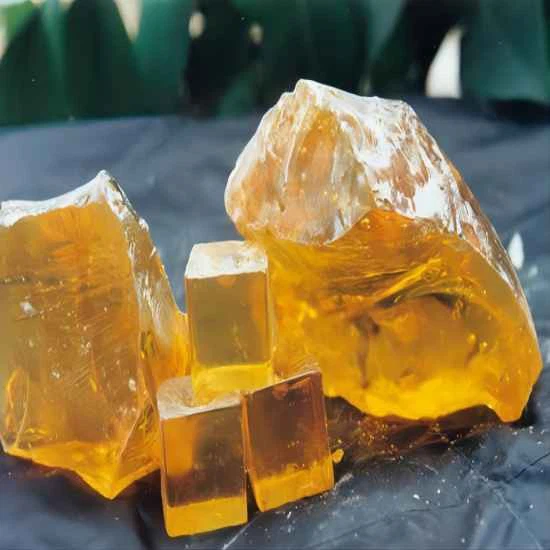
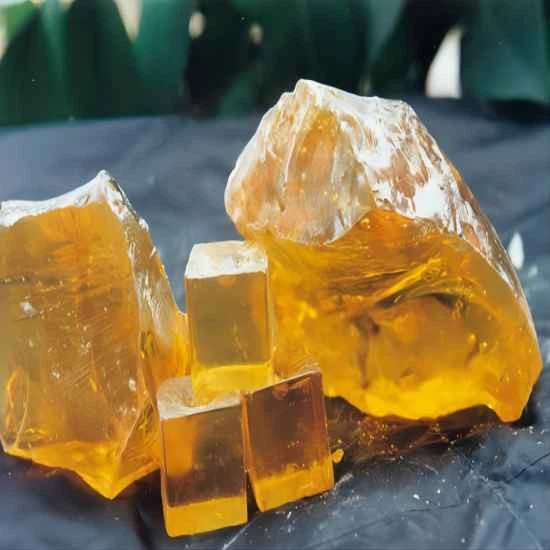
First off, let's talk a bit about rosin glue. Rosin is a natural resin obtained from pines and some other plants. It has been used for ages in various applications, from musical instruments to adhesives. Our company offers different types of rosin, like Pure Rosin, Quality Rosin, and Natural Rosin. Each type has its own unique properties, but they all share the basic adhesive qualities of rosin.
Now, when it comes to rubberized materials, things get a bit tricky. Rubberized materials can be made from different types of rubber, such as natural rubber, synthetic rubber, or a combination of both. These materials have different surface characteristics, which can affect how well rosin glue adheres to them.
Let's start with the science behind adhesion. Adhesion occurs when two surfaces come into contact and form intermolecular forces. For rosin glue to work on rubberized materials, these forces need to be strong enough to hold the two materials together. The effectiveness of adhesion depends on several factors, including the surface energy of the rubberized material, the chemical composition of the rosin glue, and the application method.
Surface energy is a measure of how easily a surface can be wetted by a liquid. Rubberized materials typically have low surface energy, which means they are not very easy to wet. This can make it difficult for rosin glue to spread evenly and form a strong bond. However, there are ways to increase the surface energy of rubberized materials, such as by using surface treatments or primers.
The chemical composition of the rosin glue also plays a crucial role. Different types of rosin have different chemical structures, which can affect their adhesion properties. For example, some types of rosin may have functional groups that can react with the rubberized material, forming covalent bonds and increasing the strength of the adhesion. Our Quality Rosin is formulated to have excellent adhesion properties, making it a good choice for bonding rubberized materials.
The application method is another important factor. Applying rosin glue to rubberized materials requires careful attention to detail. The surface of the rubberized material needs to be clean and dry before applying the glue. Any dirt, oil, or moisture on the surface can prevent the glue from adhering properly. Once the surface is prepared, the rosin glue can be applied using a brush, roller, or spray. It's important to apply the glue evenly and avoid creating any air bubbles or gaps.
In my experience, rosin glue can work well on some rubberized materials, but not all. For example, it can be used to bond natural rubber components in some applications, such as in the manufacturing of rubber gaskets or seals. However, when it comes to synthetic rubber materials, the results may vary. Some synthetic rubbers have very low surface energy and may require special surface treatments or primers to achieve good adhesion.
Let's look at some real-world examples. I once had a customer who was using our rosin glue to bond rubberized parts in a small electronic device. They were initially having some issues with the adhesion, but after we recommended a surface treatment to increase the surface energy of the rubber, the problem was solved. The rosin glue was able to form a strong bond, and the customer was very satisfied with the results.
On the other hand, I also had a customer who tried to use our rosin glue to bond a highly synthetic rubber material. Despite trying different application methods and surface treatments, they were not able to achieve a satisfactory bond. In this case, it turned out that the chemical composition of the synthetic rubber was not compatible with the rosin glue.
So, does rosin glue work on rubberized materials? The answer is: it depends. It can work well on some rubberized materials, especially natural rubber, with the right surface preparation and application method. However, for synthetic rubber materials, it may require some experimentation and additional treatments.
If you're considering using rosin glue for bonding rubberized materials, I recommend doing some tests first. You can try applying the glue to a small sample of the rubberized material and see how it performs. This will give you an idea of whether the rosin glue is suitable for your application.
If you have any questions or need more information about our rosin glue products, feel free to reach out. We're here to help you find the best adhesive solution for your needs. Whether you're in the manufacturing industry, the arts and crafts field, or any other sector that requires bonding rubberized materials, we can provide you with the right rosin glue and technical support.
In conclusion, rosin glue has the potential to be a great adhesive for rubberized materials, but it's important to understand its limitations and take the necessary steps to ensure a successful bond. So, don't hesitate to contact us if you're interested in learning more or want to start a purchase negotiation. We're looking forward to working with you!
References
- "Adhesion Science and Engineering: Surfaces, Chemistry, and Applications" by K. L. Mittal
- "Handbook of Adhesives" by Irving Skeist