

As a rosin flux supplier, one of the most frequently asked questions I encounter is whether rosin flux contains lead. This is a crucial concern, especially in industries where environmental regulations and product safety are of utmost importance. In this blog post, I will delve into the composition of rosin flux, explore the potential presence of lead, and provide insights based on scientific knowledge and industry standards.
Understanding Rosin Flux
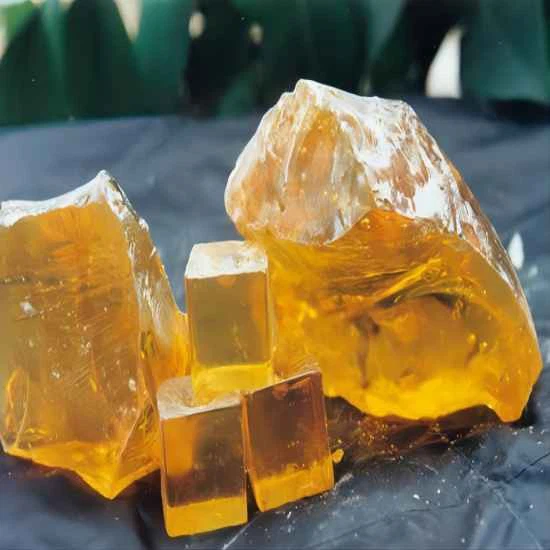
Rosin flux is a widely used material in soldering applications. It is derived from natural resins, primarily pine trees. The main component of rosin flux is abietic acid, which has excellent fluxing properties. Fluxing agents are essential in soldering as they help remove oxidation from the metal surfaces, allowing the solder to flow smoothly and form a strong bond.
There are different types of rosin flux available in the market, including Pure Rosin and Natural Rosin. Pure Rosin is highly refined and contains a high percentage of abietic acid, making it suitable for applications where a clean and residue - free soldering process is required. You can learn more about Pure Rosin on our website: Pure Rosin and Pure Rosin. Natural Rosin, on the other hand, is less refined and may contain other natural substances in addition to abietic acid. For more details about Natural Rosin, visit Natural Rosin.
The Composition of Rosin Flux and Lead
By its nature, pure rosin flux does not contain lead. The raw materials used in the production of rosin flux are natural resins from pine trees, which do not inherently contain lead. During the manufacturing process, the focus is on extracting and purifying the rosin to obtain the desired fluxing properties. There is no intentional addition of lead in the production of standard rosin flux.
However, it is important to note that in some cases, there could be trace amounts of lead present. These trace amounts are not due to the rosin itself but may come from external sources. For example, if the manufacturing equipment is not properly maintained or if there is cross - contamination in the production environment, lead particles from other processes or materials could find their way into the rosin flux.
Another potential source of lead contamination is the packaging materials. If the containers or packaging used for rosin flux are made from materials that contain lead, there is a risk of lead leaching into the flux over time. To mitigate these risks, reputable rosin flux suppliers, like us, implement strict quality control measures. We regularly test our products for the presence of lead and other heavy metals to ensure that they meet the relevant industry standards.
Industry Standards and Regulations
In many countries, there are strict regulations regarding the use of lead in electronic products and soldering materials. For example, the Restriction of Hazardous Substances Directive (RoHS) in the European Union restricts the use of lead and other hazardous substances in electrical and electronic equipment. Similar regulations exist in other regions, such as the United States and China.
Rosin flux suppliers are required to comply with these regulations. Our rosin flux products are tested to ensure that they meet the RoHS standards and other relevant environmental regulations. This means that the lead content in our rosin flux is well below the permitted limits, making it safe for use in a wide range of applications.
Testing for Lead in Rosin Flux
To accurately determine whether rosin flux contains lead, various testing methods can be used. One of the most common methods is Inductively Coupled Plasma - Mass Spectrometry (ICP - MS). This technique is highly sensitive and can detect trace amounts of lead in the flux. Other methods, such as X - ray Fluorescence (XRF) spectroscopy, can also be used for a quick and non - destructive analysis of the flux.
At our company, we conduct regular in - house testing using these advanced techniques. We also send samples to independent third - party laboratories for verification. This dual - approach ensures the accuracy and reliability of our lead testing results.
Applications of Rosin Flux and Lead Concerns
Rosin flux is used in a variety of industries, including electronics manufacturing, automotive, and aerospace. In the electronics industry, where miniaturization and high - reliability are crucial, the use of lead - free rosin flux is essential. Lead can cause long - term reliability issues in electronic components, such as solder joint degradation and electrical failures.

In the automotive and aerospace industries, where safety is of utmost importance, the use of lead - free rosin flux is also mandatory. These industries have strict quality control requirements, and any presence of lead in the soldering materials can lead to product recalls and potential safety hazards.
Benefits of Lead - Free Rosin Flux
Using lead - free rosin flux offers several benefits. Firstly, it is more environmentally friendly. Lead is a toxic heavy metal that can have a significant impact on the environment if released into the soil, water, or air. By using lead - free rosin flux, we can reduce the environmental footprint of the soldering process.
Secondly, lead - free rosin flux is safer for workers. Exposure to lead can cause a variety of health problems, including neurological disorders, kidney damage, and reproductive issues. By eliminating lead from the soldering materials, we can protect the health and well - being of the workers involved in the soldering process.
Finally, lead - free rosin flux is compatible with modern soldering techniques and materials. As the electronics industry continues to evolve, the demand for lead - free soldering solutions is increasing. Using lead - free rosin flux ensures that our customers can stay ahead of the curve and meet the changing market requirements.
Conclusion
In conclusion, pure rosin flux does not inherently contain lead. However, there is a potential for trace amounts of lead due to external sources such as manufacturing equipment and packaging materials. Reputable rosin flux suppliers, like us, take strict measures to ensure that our products are lead - free and comply with the relevant industry standards and regulations.
We understand the importance of providing high - quality, lead - free rosin flux to our customers. Our commitment to quality control and environmental responsibility is reflected in the rigorous testing and certification processes that our products undergo.
If you are in the market for rosin flux and have concerns about lead content, we invite you to contact us for more information. We would be more than happy to discuss our products, testing procedures, and how they can meet your specific requirements. Whether you are in the electronics, automotive, or aerospace industry, our lead - free rosin flux can provide a reliable and environmentally friendly solution for your soldering needs.
References
- Restriction of Hazardous Substances Directive (RoHS). European Union.
- Various industry reports on the use of lead - free soldering materials.
- Scientific literature on the composition and properties of rosin flux.