

As a rosin glue supplier, I often get asked whether rosin glue can be used for wood veneer. It's a great question, and one that I'm happy to dive into. In this blog, I'll explore the feasibility of using rosin glue for wood veneer, its pros and cons, and some tips on how to use it effectively.
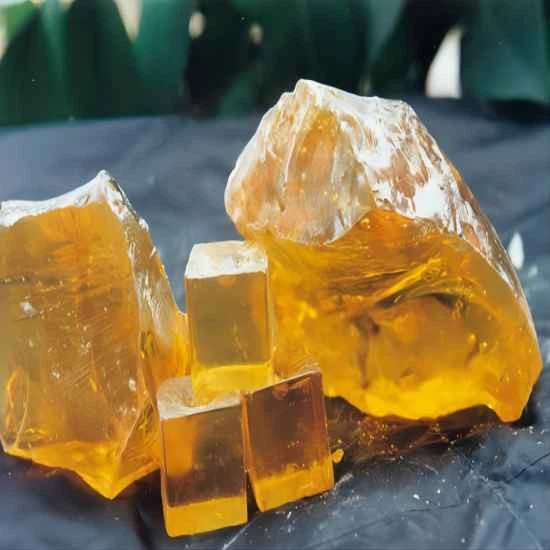
Let's first understand what rosin glue is. Rosin is a solid form of resin obtained from pines and some other plants, especially conifers. Natural Rosin is a natural product that has been used for centuries in various applications. When it comes to glue, rosin can be processed into a form that has adhesive properties. Pure Rosin is often the base material for high - quality rosin glue, which is then formulated with other additives to enhance its performance.
Can Rosin Glue Be Used for Wood Veneer?
The short answer is yes, rosin glue can be used for wood veneer. Wood veneer is a thin layer of wood that is applied to a substrate to give it the appearance of solid wood. It requires a good adhesive to bond it firmly to the base material. Rosin glue has several characteristics that make it suitable for this purpose.
One of the main advantages of using rosin glue for wood veneer is its natural origin. In today's market, there is a growing demand for natural and eco - friendly products. Rosin glue is derived from natural sources, which makes it an attractive option for those who are environmentally conscious. It doesn't contain the harsh chemicals that some synthetic glues do, so it's a better choice for indoor applications where air quality is a concern.
Another benefit is its good bonding strength. When properly applied, rosin glue can create a strong bond between the wood veneer and the substrate. It adheres well to both porous and non - porous surfaces, which is important when dealing with different types of wood veneers and base materials. For example, if you're working with a hardwood veneer on a plywood substrate, rosin glue can provide a reliable bond.
Rosin glue also has a relatively long open time. The open time is the period during which the glue remains workable after it has been applied. This gives you more time to position the wood veneer correctly on the substrate and make any necessary adjustments. It's especially useful when working on large or complex veneering projects.

Drawbacks of Using Rosin Glue for Wood Veneer
However, like any product, rosin glue also has its limitations. One of the main drawbacks is its sensitivity to temperature and humidity. Rosin glue can become brittle in cold temperatures and may soften or lose its bond strength in high - humidity environments. So, if you're using it in an area with extreme temperature or humidity fluctuations, you may need to take extra precautions.
It also has a lower heat resistance compared to some synthetic glues. In applications where the wood veneer may be exposed to high temperatures, such as near a fireplace or in a kitchen with a hot stove, rosin glue may not be the best choice. The glue could start to break down, which would compromise the bond between the veneer and the substrate.
Another issue is that rosin glue may not be as water - resistant as some other types of glues. If the wood veneer is likely to come into contact with water, such as in a bathroom or outdoors, rosin glue may not hold up well over time. The water can weaken the bond and cause the veneer to peel or delaminate.
Tips for Using Rosin Glue for Wood Veneer
If you decide to use rosin glue for your wood veneer project, here are some tips to ensure a successful outcome.
First, make sure the surfaces are clean and dry before applying the glue. Any dirt, dust, or moisture on the surfaces can prevent the glue from bonding properly. You can use a damp cloth to clean the surfaces and allow them to dry completely.
When applying the glue, use a thin, even layer. Too much glue can lead to messy joints and may also take longer to dry. You can use a brush or a roller to apply the glue evenly on both the wood veneer and the substrate.
After applying the glue, carefully place the wood veneer on the substrate. Press it firmly to ensure good contact between the two surfaces. You can use a roller or a clamping device to apply pressure evenly across the veneer. Make sure to remove any excess glue that oozes out from the edges.
Allow the glue to dry completely according to the manufacturer's instructions. This may take several hours or even a day, depending on the temperature and humidity conditions. Avoid disturbing the veneer during the drying process to ensure a strong bond.
Conclusion
In conclusion, rosin glue can be used for wood veneer, but it's important to consider its pros and cons. Its natural origin and good bonding strength make it a viable option for many wood veneering projects, especially those that require an eco - friendly solution. However, its sensitivity to temperature, humidity, heat, and water means that it may not be suitable for all applications.
If you're interested in using Quality Rosin glue for your wood veneer projects, I'd be more than happy to discuss your needs. Whether you have a small DIY project or a large - scale commercial job, I can provide you with the right rosin glue products and advice on how to use them effectively. Don't hesitate to reach out for more information and to start a conversation about your potential rosin glue purchase.
References
- "Wood Adhesives: Chemistry and Technology" by R. M. Rowell, J. M. Rowell, and J. Krzysik
- "The Handbook of Wood Chemistry and Wood Composite Technology" edited by R. M. Rowell