

Linseed oil, derived from the seeds of the flax plant, has been a staple in various industries for centuries. Its versatility and natural properties have made it a popular choice for applications ranging from wood finishing to dietary supplements. As a leading Linseed Oil supplier, I often receive inquiries about its suitability for use on stone surfaces. In this blog post, I will explore the potential uses and limitations of linseed oil on stone, providing you with the information you need to make an informed decision.
Understanding Linseed Oil
Before delving into its application on stone, it's essential to understand the properties of linseed oil. Linseed oil is a natural drying oil, which means it has the ability to harden and form a protective film when exposed to air. This property makes it an excellent choice for wood finishing, as it enhances the wood's natural beauty while providing a durable and water-resistant coating.
There are two main types of linseed oil: raw and boiled. Raw linseed oil is the pure, unprocessed oil extracted from flax seeds. It dries slowly, typically taking several days to weeks to fully cure. Boiled linseed oil, on the other hand, has been treated with additives to speed up the drying process. It usually dries within 24 to 48 hours, making it more convenient for many applications.
In addition to its use in woodworking, linseed oil is also available in edible forms. Edible Linseed Oil and Food-Grade Flaxseed Oil (Linseed Oil) – High in Omega-3 are rich in essential fatty acids, particularly omega-3 fatty acids, which are beneficial for human health. These oils are commonly used in cooking, salad dressings, and dietary supplements.

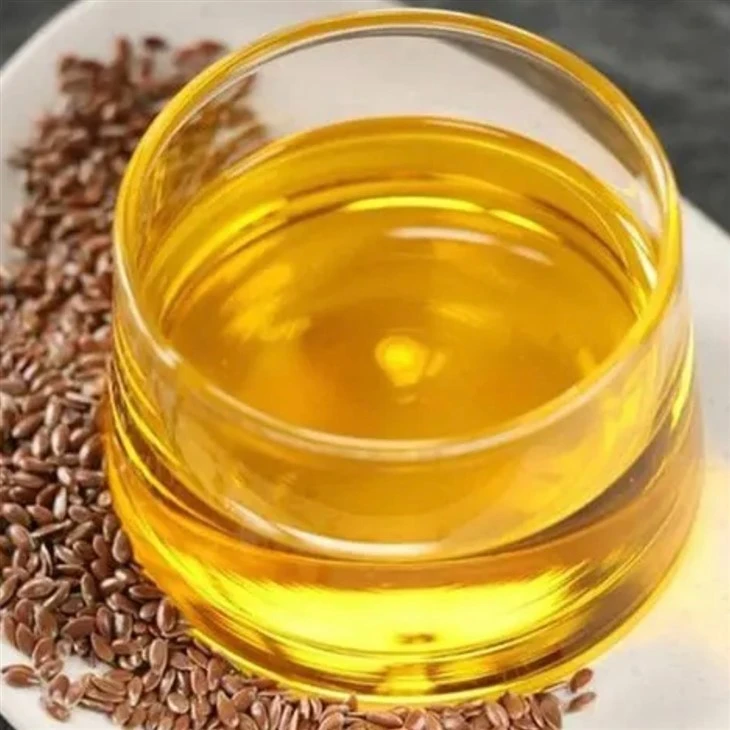
Can Linseed Oil Be Used on Stone?
The short answer is yes, linseed oil can be used on stone. However, its effectiveness and suitability depend on several factors, including the type of stone, the intended use of the stone surface, and the desired outcome.
Benefits of Using Linseed Oil on Stone
- Enhanced Appearance: Linseed oil can enhance the natural color and texture of stone, giving it a rich, warm, and glossy finish. It can bring out the beauty of the stone's natural patterns and veining, making it more visually appealing.
- Water Resistance: When applied to stone, linseed oil forms a protective barrier that helps to repel water and prevent moisture from penetrating the surface. This can be particularly beneficial for outdoor stone surfaces, such as patios, walkways, and retaining walls, as it helps to prevent damage from water infiltration, such as cracking, spalling, and staining.
- Stain Resistance: Linseed oil can also help to protect stone from stains and spills. The protective film created by the oil makes it more difficult for dirt, grime, and other contaminants to adhere to the surface, making it easier to clean and maintain.
- Natural and Environmentally Friendly: Linseed oil is a natural and renewable resource, making it an environmentally friendly alternative to synthetic sealants and coatings. It is biodegradable and does not contain harmful chemicals or volatile organic compounds (VOCs), which can be harmful to human health and the environment.
Limitations of Using Linseed Oil on Stone
- Slow Drying Time: As mentioned earlier, raw linseed oil dries very slowly, which can be a drawback when working with stone. It may take several days or even weeks for the oil to fully cure, during which time the stone surface may be sticky and prone to attracting dirt and debris. Boiled linseed oil dries faster, but it still requires some time to fully harden.
- Susceptibility to Oxidation: Linseed oil is prone to oxidation, which can cause it to darken and become brittle over time. This can be a problem, especially for light-colored stones, as it may alter the appearance of the stone. Oxidation can also cause the oil to lose its water-repellent properties, reducing its effectiveness as a protective coating.
- Not Suitable for All Types of Stone: Linseed oil may not be suitable for all types of stone. Some stones, such as porous or acidic stones, may absorb the oil too quickly, causing it to become saturated and potentially leading to discoloration or staining. Other stones, such as marble or limestone, may react with the oil, causing it to etch or damage the surface.
Types of Stone Suitable for Linseed Oil
While linseed oil can be used on a variety of stones, some types of stone are more suitable than others. Here are some examples of stones that are generally compatible with linseed oil:
- Granite: Granite is a dense, hard, and non-porous stone that is resistant to water, stains, and scratches. It is an excellent choice for countertops, flooring, and other high-traffic areas. Linseed oil can enhance the natural color and texture of granite, giving it a beautiful, glossy finish.
- Sandstone: Sandstone is a sedimentary rock that is composed of sand-sized grains of quartz or feldspar. It is a porous stone that can absorb linseed oil, which helps to enhance its color and provide a protective coating. Linseed oil can also help to prevent sandstone from drying out and cracking, which can be a common problem with this type of stone.
- Slate: Slate is a fine-grained, metamorphic rock that is known for its durability and resistance to water and stains. It is commonly used for roofing, flooring, and wall cladding. Linseed oil can be used to enhance the natural beauty of slate, giving it a rich, dark color and a smooth, glossy finish.
- Travertine: Travertine is a type of limestone that is formed by the precipitation of calcium carbonate from mineral springs. It is a porous stone that can absorb linseed oil, which helps to enhance its color and provide a protective coating. Linseed oil can also help to prevent travertine from staining and etching, which can be a common problem with this type of stone.
How to Apply Linseed Oil to Stone
If you decide to use linseed oil on your stone surface, it's important to follow the proper application procedures to ensure the best results. Here are the general steps for applying linseed oil to stone:
- Clean the Stone Surface: Before applying linseed oil, it's important to clean the stone surface thoroughly to remove any dirt, dust, grease, or other contaminants. You can use a mild detergent and water to clean the surface, followed by a rinse with clean water. Make sure the surface is completely dry before proceeding.
- Test the Oil on a Small Area: Before applying linseed oil to the entire stone surface, it's a good idea to test it on a small, inconspicuous area first. This will allow you to see how the oil reacts with the stone and determine if it is suitable for your needs. Apply a small amount of oil to the test area and let it dry for 24 to 48 hours. Check the test area for any signs of discoloration, staining, or other problems.
- Apply the Linseed Oil: Once you have determined that the linseed oil is suitable for your stone surface, you can proceed with the application. You can use a brush, roller, or sprayer to apply the oil to the stone surface. Make sure to apply the oil evenly and thoroughly, covering the entire surface. You may need to apply multiple coats of oil to achieve the desired finish.
- Let the Oil Dry: After applying the linseed oil, let it dry for the recommended amount of time. As mentioned earlier, raw linseed oil dries very slowly, while boiled linseed oil dries faster. Make sure to follow the manufacturer's instructions for drying time.
- Buff the Surface: Once the oil has dried, you can buff the surface with a soft cloth or buffing pad to remove any excess oil and to give the surface a smooth, glossy finish. You can repeat this process several times to achieve the desired level of shine.
Maintenance and Care
To keep your stone surface looking its best after applying linseed oil, it's important to follow a regular maintenance and care routine. Here are some tips for maintaining and caring for stone surfaces treated with linseed oil:
- Clean Regularly: Regular cleaning is essential to keep your stone surface looking clean and fresh. You can use a mild detergent and water to clean the surface, followed by a rinse with clean water. Avoid using abrasive cleaners or scrubbers, as they can scratch the surface of the stone.
- Avoid Harsh Chemicals: Harsh chemicals, such as bleach, ammonia, and acidic cleaners, can damage the protective coating created by the linseed oil and cause the stone to become discolored or stained. Avoid using these chemicals on your stone surface.
- Reapply the Oil Periodically: Over time, the protective coating created by the linseed oil may wear off, especially in high-traffic areas or areas exposed to the elements. To maintain the water resistance and stain resistance of the stone surface, it's recommended to reapply the linseed oil periodically. The frequency of reapplication will depend on the type of stone, the amount of traffic, and the environmental conditions.
- Protect from Scratches and Abrasion: Stone surfaces treated with linseed oil are still susceptible to scratches and abrasion. To protect the surface, avoid dragging heavy objects across the surface, use coasters and placemats under glasses and dishes, and avoid using abrasive cleaning tools or materials.
Conclusion
In conclusion, linseed oil can be a viable option for treating stone surfaces, offering several benefits such as enhanced appearance, water resistance, stain resistance, and naturalness. However, it also has some limitations, such as slow drying time, susceptibility to oxidation, and not being suitable for all types of stone. Before using linseed oil on your stone surface, it's important to consider the type of stone, the intended use of the surface, and the desired outcome. If you have any questions or need further advice, please don't hesitate to contact us. As a leading Linseed Oil supplier, we have the expertise and experience to help you choose the right product for your needs. Whether you're looking for Natural Linseed Oil for your woodworking projects or Edible Linseed Oil for your dietary needs, we have a wide range of high-quality linseed oil products to choose from. Contact us today to discuss your requirements and start your procurement process.
References
- "Linseed Oil: Properties, Uses, and Applications." Encyclopedia Britannica.
- "Stone Care and Maintenance." The Marble Institute of America.
- "Applying Linseed Oil to Stone." DIY Network.