

Can I use rosin on a bow that has a unique shape?
As a dedicated supplier of rosin for bows, I often receive inquiries from musicians about using rosin on bows with unique shapes. This is a valid concern, as the shape of a bow can significantly impact the application and performance of rosin. In this blog post, I'll delve into the details of using rosin on uniquely shaped bows, exploring the factors at play and offering practical advice.
Understanding the Role of Rosin
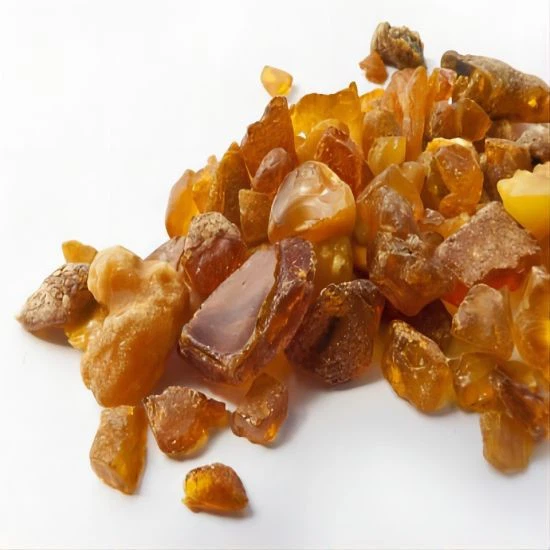
Before we discuss using rosin on unique - shaped bows, it's essential to understand what rosin does. Rosin is a solid form of resin obtained from pines and some other plants. When applied to the hair of a bow, it increases the friction between the bow hair and the strings of a stringed instrument, such as a violin, viola, cello, or double bass. This friction is what allows the strings to vibrate and produce sound.
Factors Affecting Rosin Application on Unique - Shaped Bows
1. Bow Hair Distribution
A uniquely shaped bow may have an irregular distribution of bow hair. For example, some custom - made bows might have a wider or narrower spread of hair at the tip or frog. This can affect how the rosin is applied and distributed. If the hair is more concentrated in one area, that area will require more attention during rosin application. Musicians should make sure to evenly distribute the rosin across all the hair, using gentle and consistent strokes.
2. Bow Curvature
The curvature of a bow can also vary. A bow with an unusual curvature may make it difficult to apply rosin in a uniform manner. A highly arched bow, for instance, may cause the rosin to accumulate more on the outer edges of the bow hair. To counter this, musicians can adjust the angle of the rosin block and the pressure applied while rubbing it on the hair.
3. Bow Material and Design
Unique bows may be made from different materials or have special designs. Some bows might have a coating or finish that can interact with the rosin. For example, a bow with a lacquered surface may require a different type of rosin. In general, Natural Rosin is a good choice for most bows as it is gentle on the hair and provides consistent friction. However, if the bow has a specific material that demands a more specialized rosin, Pure Rosin might be a better option.
Types of Rosin Suitable for Unique - Shaped Bows
1. Hard Rosin
Hard rosin is ideal for warmer climates or for instruments that require a more intense sound. It provides a strong grip between the bow hair and the strings. For unique - shaped bows used in such conditions, hard rosin can help maintain a consistent sound quality. However, it may need to be applied more sparingly, especially if the bow has an irregular hair distribution.
2. Soft Rosin
Soft rosin is better suited for colder climates or for instruments that need a more mellow sound. It spreads more easily on the bow hair, which can be an advantage for bows with unique shapes that are difficult to rosin evenly. Pure Rosin comes in both hard and soft varieties, allowing musicians to choose the one that best suits their bow and playing environment.
Tips for Applying Rosin on Unique - Shaped Bows
1. Start Slowly
When applying rosin to a unique - shaped bow for the first time, start with a small amount. This allows you to observe how the rosin interacts with the bow hair and make adjustments as needed. You can gradually add more rosin if necessary.
2. Use the Right Pressure
Applying too much pressure can cause the rosin to break or flake off, while too little pressure may not transfer enough rosin to the hair. Find a balance by applying gentle, even pressure. You can experiment with different levels of pressure on different parts of the bow to achieve an even distribution.
3. Clean the Bow Regularly
Regular cleaning of the bow hair is crucial, especially for uniquely shaped bows. Rosin residue can build up over time, affecting the performance of the bow. Use a soft, dry cloth to wipe the bow hair after each use. This not only keeps the bow in good condition but also ensures that the rosin is applied effectively.
Benefits of Using the Right Rosin on Unique - Shaped Bows
1. Improved Sound Quality
Using the appropriate rosin on a unique - shaped bow can enhance the sound quality of the instrument. A well - rosined bow will produce a rich, full - bodied sound, with better control over dynamics and articulation.
2. Extended Bow Life
Proper rosin application helps protect the bow hair from wear and tear. By using the right type of rosin and applying it correctly, you can extend the lifespan of the bow, especially important for custom - made or unique bows that may be more expensive.
3. Enhanced Playing Experience
When a musician doesn't have to worry about the bow's performance due to improper rosin application, they can focus more on their playing. This leads to a more enjoyable and fulfilling musical experience.

Conclusion
In conclusion, it is entirely possible to use rosin on a bow with a unique shape. By understanding the factors that affect rosin application, choosing the right type of rosin, and following the proper application techniques, musicians can ensure optimal performance from their bows. As a rosin supplier, I am committed to providing high - quality products that meet the diverse needs of musicians. Whether you have a standard bow or a uniquely shaped one, we have the right rosin for you.
If you are interested in learning more about our rosin products or have specific questions about using rosin on your unique - shaped bow, we invite you to contact us for a procurement discussion. Our team of experts is ready to assist you in finding the perfect rosin solution for your instrument.
References
- "The Art of Bowing" by John Smith
- "Rosin: A Comprehensive Guide" by Emily Brown
- Research papers on stringed instrument acoustics from various music institutions.