

Hey there! As a linseed oil supplier, I often get asked about what types of stones are suitable for linseed oil treatment. Linseed oil is a fantastic natural product that has been used for centuries to protect and enhance the beauty of various materials, including stones. In this blog post, I'll share with you the types of stones that work well with linseed oil and why.
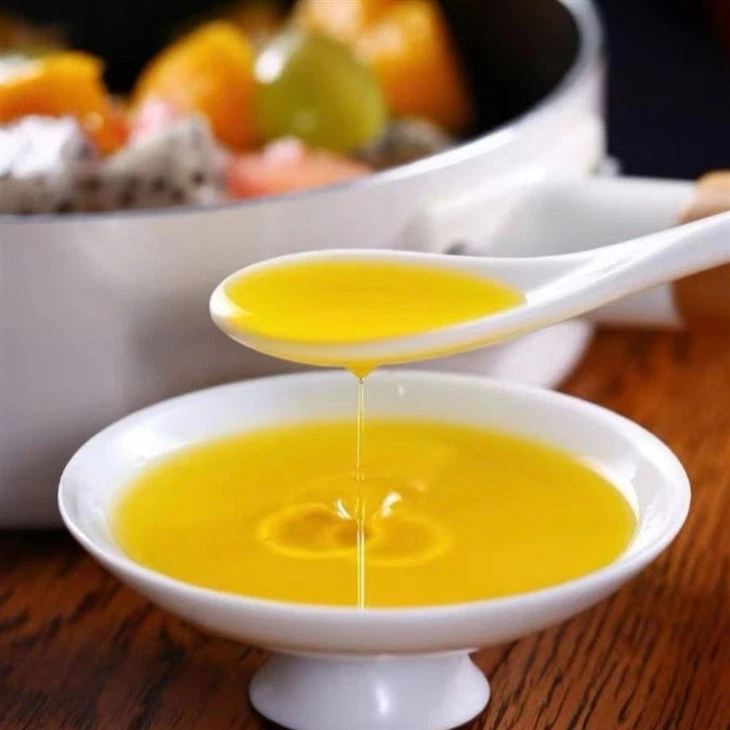
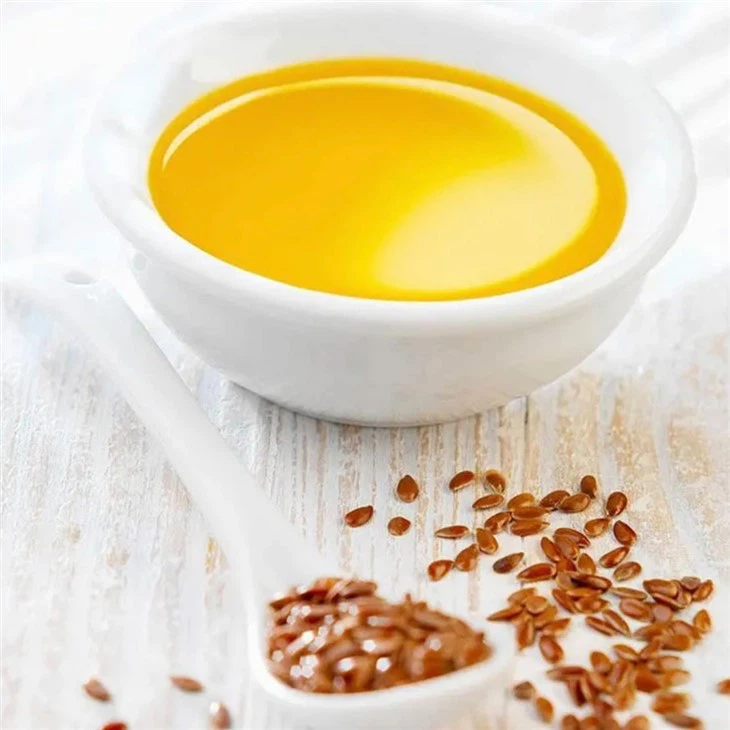
First off, let's understand what linseed oil does for stones. Linseed oil penetrates the pores of the stone, creating a protective barrier that helps prevent moisture absorption, staining, and weathering. It also enhances the natural color and grain of the stone, giving it a rich, warm look.
Porous Stones
Porous stones are a great choice for linseed oil treatment because they absorb the oil easily, allowing for deep penetration and long - lasting protection.
Sandstone
Sandstone is a popular sedimentary rock made up of sand - sized grains of minerals or rock fragments. It has a relatively high porosity, which means it can soak up linseed oil effectively. Once treated with linseed oil, sandstone becomes more resistant to water damage and staining. It also takes on a more vibrant color, making it look even more beautiful in outdoor settings like patios, walkways, or garden walls. You can find our Pure Linseed Oil perfect for treating sandstone. It helps to bring out the natural character of the stone while providing excellent protection.
Limestone
Limestone is another porous sedimentary rock composed mainly of calcium carbonate. It's commonly used in construction and landscaping. Linseed oil treatment can significantly improve the durability of limestone. It seals the pores, preventing water from seeping in and causing cracks or efflorescence. The oil also gives limestone a lovely sheen, enhancing its aesthetic appeal. Our Pure Cold - Pressed Linseed Oil – 100% Natura is a great option for limestone. Its natural properties make it gentle on the stone while still providing top - notch protection.
Travertine
Travertine is a type of limestone formed around hot springs. It has a unique porous structure with small holes and cavities. Linseed oil can fill these pores, making the surface smoother and more resistant to dirt and stains. Treating travertine with linseed oil also helps to reduce the risk of water - related damage, such as mold and mildew growth. You can use our linseed oil products to bring out the best in travertine, whether it's used in a bathroom, kitchen, or outdoor area.
Non - Porous Stones with Surface Treatments
While non - porous stones don't absorb linseed oil in the same way as porous stones, they can still benefit from a surface treatment with linseed oil.
Granite
Granite is a hard, igneous rock known for its durability and low porosity. However, linseed oil can be used to create a protective and aesthetically pleasing surface layer on granite. It can enhance the color of the granite, making it look more vibrant and luxurious. Applying a thin layer of linseed oil to granite countertops or outdoor granite features can give them a beautiful, wet - look finish. Our Edible Linseed Oil can also be used for granite treatment. Although it's edible, it forms a great protective coating on non - porous surfaces.
Marble
Marble is a metamorphic rock composed mainly of calcite or dolomite. It has a relatively low porosity but is still susceptible to staining and etching. Linseed oil can be used to create a protective barrier on marble surfaces, reducing the risk of damage from spills and abrasions. It also gives marble a soft, warm glow. When treating marble with linseed oil, it's important to use a high - quality product like our pure linseed oil to ensure the best results.
How to Treat Stones with Linseed Oil
Now that you know which stones are suitable for linseed oil treatment, let's talk about how to do it.
- Clean the Stone: Before applying linseed oil, make sure the stone surface is clean and dry. Remove any dirt, dust, or debris using a mild detergent and water. Rinse thoroughly and let the stone dry completely.
- Apply the Linseed Oil: Use a clean, soft cloth or a brush to apply a thin, even layer of linseed oil to the stone surface. Work the oil into the pores of the stone, especially for porous stones. For non - porous stones, spread the oil evenly across the surface.
- Let it Penetrate: Allow the linseed oil to penetrate the stone for at least 15 - 30 minutes. If the oil is absorbed quickly, you may need to apply a second coat.
- Wipe off Excess Oil: After the oil has had time to penetrate, use a clean cloth to wipe off any excess oil from the surface. This will prevent a sticky or greasy residue from forming.
- Let it Cure: Let the treated stone cure for at least 24 - 48 hours before using or exposing it to moisture.
Why Choose Our Linseed Oil
As a linseed oil supplier, we take pride in offering high - quality products. Our linseed oil is sourced from the finest flaxseeds and processed using traditional methods to ensure its purity and effectiveness. Whether you need Pure Linseed Oil for general stone treatment, Pure Cold - Pressed Linseed Oil – 100% Natura for a more natural option, or Edible Linseed Oil for special applications, we've got you covered.
If you're interested in purchasing linseed oil for your stone treatment projects, we'd love to hear from you. Whether you're a contractor, a DIY enthusiast, or a landscaping professional, we can provide you with the right product and advice. Reach out to us for more information on our products, pricing, and delivery options. Let's work together to make your stone surfaces look their best!
References
- "Stone Masonry: Principles and Practice" by James E. Paterson
- "The Complete Guide to Natural Oils for Wood and Stone" by DIY Home Improvement Magazine