

Hey there! As a linseed oil supplier, I've gotten a ton of questions about removing linseed oil. Whether it's from your clothes, tools, or surfaces, linseed oil can be a bit of a stubborn bugger to get rid of. In this blog, I'm gonna share some solvents that can help you tackle those linseed oil stains.
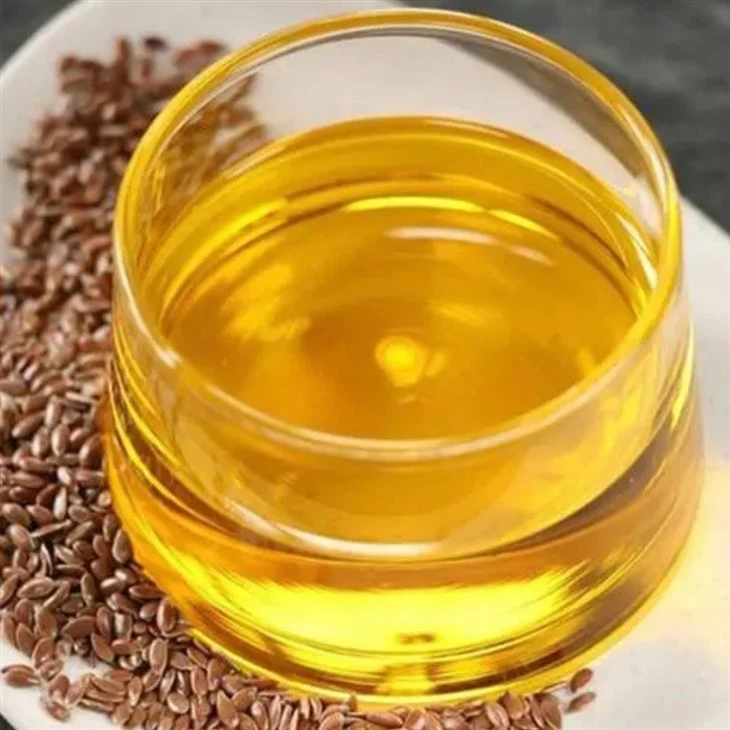
First off, let's talk about what linseed oil is. Linseed oil comes from the flaxseed plant, and it's been used for ages in a bunch of different applications. You've got Edible Linseed Oil that's great for cooking and health benefits, and then there's the non - edible kind used in wood finishing, paints, and more. Edible Linseed Oil is produced in specialized factories to meet food - grade standards, and Food - Grade Flaxseed Oil (Linseed Oil) – High in Omega - 3 is a real powerhouse when it comes to nutrition.
Now, onto the solvents.
Mineral Spirits
Mineral spirits are a go - to solvent for removing linseed oil. They're pretty common and can be found at most hardware stores. Mineral spirits work by breaking down the linseed oil molecules, making it easier to wipe or wash away.
To use mineral spirits, first, put on some gloves and work in a well - ventilated area. Pour a small amount of mineral spirits onto a clean cloth and gently dab at the linseed oil stain. Don't rub too hard, as that can spread the stain or damage the surface. Keep dabbing until the stain starts to lift. Then, use a clean, damp cloth to wipe away the dissolved oil and mineral spirits.
One thing to note is that mineral spirits are flammable, so keep them away from open flames or heat sources. Also, make sure to dispose of any rags soaked in mineral spirits properly, as they can spontaneously combust if not handled right.
Turpentine
Turpentine has been used for ages as a solvent for oil - based substances, including linseed oil. It's derived from pine trees and has a strong, distinct smell.
When using turpentine to remove linseed oil, follow the same basic steps as with mineral spirits. Put on gloves, work in a well - ventilated area, and pour a little turpentine on a cloth. Gently blot the stain. Turpentine can be a bit more aggressive than mineral spirits, so it might work faster on stubborn stains.
However, turpentine is also toxic and flammable. It can cause skin irritation and breathing problems if you're exposed to it for too long. So, make sure you take all the necessary safety precautions when using it.
Acetone
Acetone is another solvent that can be used to remove linseed oil. It's commonly found in nail polish remover, but you can also get it in a purer form at hardware stores.
Acetone works quickly to dissolve linseed oil. But be careful, as it can be very harsh on some surfaces. Before using acetone on a large area, test it on a small, inconspicuous spot to make sure it doesn't damage the material.

To use acetone, soak a cloth in it and gently press it onto the linseed oil stain. Let it sit for a few minutes to allow the acetone to break down the oil. Then, wipe the area clean with a damp cloth.
Like mineral spirits and turpentine, acetone is flammable and can be harmful if inhaled or absorbed through the skin. So, always use it in a well - ventilated area and wear gloves.
White Vinegar
If you're looking for a more natural and less harsh option, white vinegar can be a good choice. It's a mild acid that can help break down linseed oil.
Mix equal parts of white vinegar and water in a spray bottle. Spray the solution onto the linseed oil stain and let it sit for a few minutes. Then, use a cloth or sponge to scrub the area gently. Rinse with clean water.
White vinegar is non - toxic and safe to use around food and on many surfaces. But it might not be as effective as the other solvents on really stubborn stains.
Dish Soap
Good old dish soap can also be used to remove linseed oil, especially on smaller stains or on fabric. Fill a sink or bucket with warm water and add a few drops of dish soap. Stir the water to create some suds.
For fabric stains, soak the stained area in the soapy water for a while. Then, gently rub the fabric together to work the soap into the stain. Rinse thoroughly with clean water.
On hard surfaces, use a sponge or cloth soaked in the soapy water to wipe the linseed oil stain. Rinse with water and dry the surface.
Citrus - Based Solvents
Citrus - based solvents are a more eco - friendly option for removing linseed oil. They're made from the natural oils found in citrus fruits and have a pleasant smell.
These solvents work well to break down linseed oil. You can buy them at some home improvement stores or make your own by steeping citrus peels in vinegar for a few weeks.
When using a citrus - based solvent, apply it to the stain and let it sit for a few minutes. Then, wipe it away with a cloth. Citrus - based solvents are generally less toxic than some of the other options, but they can still cause skin irritation in some people, so it's a good idea to wear gloves.
Removing Linseed Oil from Different Surfaces
The method of removing linseed oil can vary depending on the surface.
Wood
If you've got linseed oil on wood, be careful not to damage the finish. For fresh stains on unfinished wood, you can use mineral spirits or turpentine. Gently apply the solvent with a cloth and wipe the stain away. Then, sand the area lightly to smooth out any rough spots and refinish the wood if necessary.
On finished wood, start with a milder solvent like dish soap or white vinegar. If that doesn't work, you can try a small amount of mineral spirits, but test it first on a hidden area to make sure it doesn't damage the finish.
Fabric
For fabric stains, start with dish soap or white vinegar. If the stain persists, you can try using a small amount of acetone or turpentine, but be very careful as these solvents can damage the fabric. Always test on a small area first.
Metal
Mineral spirits or turpentine work well on metal surfaces. Apply the solvent with a cloth, wipe away the oil, and then clean the metal with a mild soap and water to remove any remaining solvent residue.
Safety First
No matter which solvent you choose to use to remove linseed oil, safety should always be your top priority. Wear gloves to protect your hands, work in a well - ventilated area to avoid breathing in fumes, and keep solvents away from heat sources and open flames.
If you accidentally get a solvent on your skin, wash it off immediately with soap and water. If you inhale too many fumes and start to feel dizzy or sick, get fresh air right away.
Conclusion
So, there you have it! A bunch of solvents that can be used to remove linseed oil. Whether you're dealing with a small spill on your clothes or a big stain on a piece of furniture, there's a solvent out there that can help.
As a linseed oil supplier, I know how important it is to have the right information about using and cleaning up linseed oil. If you're interested in purchasing our high - quality linseed oil products, whether it's for cooking, woodworking, or other applications, feel free to reach out for a purchase consultation. We're here to help you find the perfect linseed oil for your needs.
References
- "The Chemistry of Linseed Oil" - Journal of Applied Chemistry
- "Solvents and Their Uses" - Handbook of Industrial Solvents
- "Safe Handling of Chemical Solvents" - Occupational Safety and Health Administration (OSHA)