

When delving into the world of cello playing, one quickly realizes that numerous factors contribute to the instrument's optimal performance. Among these, the relationship between rosin and cello string tension stands out as a crucial aspect that significantly impacts the sound quality and playability of the cello. As a trusted rosin for cello supplier, I have witnessed firsthand how the right choice of rosin can interact with string tension to create a harmonious musical experience. In this blog post, we will explore the intricate relationship between rosin and cello string tension, shedding light on how these two elements work together to produce the rich, resonant tones that cello enthusiasts cherish.
Understanding Cello String Tension
Before we dive into the role of rosin, it's essential to understand what cello string tension is and why it matters. Cello strings are under a certain amount of tension, which is the force applied to the strings to keep them taut. This tension affects several key aspects of the cello's performance, including pitch, intonation, and the ease of playing.
The tension of cello strings can vary depending on several factors, such as the type of strings (e.g., gut, synthetic, or steel), the gauge (thickness) of the strings, and the tuning of the instrument. Higher tension strings generally produce a brighter, more focused sound and are often preferred for classical and orchestral playing. On the other hand, lower tension strings offer a warmer, more mellow tone and are sometimes favored for jazz and other contemporary styles.
Maintaining the correct string tension is crucial for achieving the desired sound quality and playability. If the tension is too high, the strings may be difficult to press down, making it challenging to play with speed and agility. Conversely, if the tension is too low, the strings may produce a weak, dull sound and may be prone to buzzing or rattling.
The Role of Rosin in Cello Playing
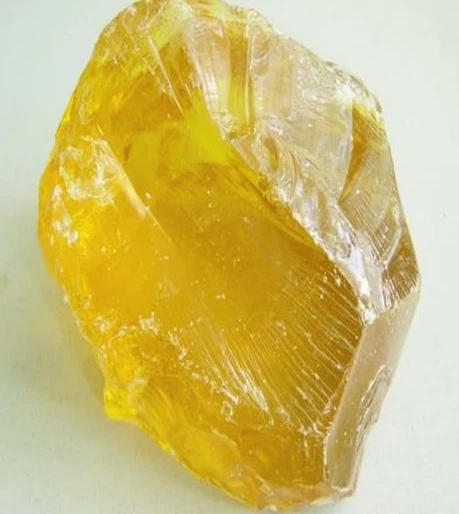
Rosin is a sticky substance derived from tree sap, typically pine resin. It is applied to the cello bow hair to create friction between the bow and the strings. When the bow is drawn across the strings, the rosin causes the strings to vibrate, producing sound. Without rosin, the bow would simply slide across the strings without generating any sound.
The quality and type of rosin used can have a significant impact on the sound produced by the cello. Different types of rosin offer varying levels of grip, stickiness, and tone color. For example, Pure Rosin is known for its clean, pure sound and is often preferred by professional cellists. Natural Rosin, on the other hand, is made from natural ingredients and offers a more organic, warm tone. Bulk Rosin is a cost-effective option for students and amateur players who need a large quantity of rosin.
In addition to affecting the sound quality, rosin also plays a role in the playability of the cello. A good quality rosin provides a consistent grip, allowing the player to control the dynamics and expression of their playing. It also helps to prevent the bow from slipping off the strings, making it easier to play with precision and accuracy.
The Relationship Between Rosin and Cello String Tension
Now that we have a basic understanding of cello string tension and the role of rosin, let's explore how these two elements interact with each other.
One of the key ways in which rosin affects string tension is by altering the friction between the bow and the strings. When the rosin is applied to the bow hair, it creates a rough surface that increases the friction between the bow and the strings. This increased friction causes the strings to vibrate more vigorously, which in turn affects the tension of the strings.
The amount of rosin applied to the bow can also impact string tension. If too much rosin is applied, the bow may become too sticky, causing the strings to vibrate unevenly and potentially increasing the tension. On the other hand, if too little rosin is applied, the bow may not have enough grip, resulting in a weak, inconsistent sound and potentially reducing the tension.
Another factor to consider is the type of rosin used. Different types of rosin have different levels of stickiness and grip, which can affect how the strings vibrate and the overall tension of the strings. For example, a more sticky rosin may cause the strings to vibrate more forcefully, increasing the tension, while a less sticky rosin may result in a more gentle vibration and lower tension.
In addition to the type and amount of rosin, the playing technique also plays a role in the relationship between rosin and string tension. A player who uses a heavy, aggressive bowing technique may require a more sticky rosin to maintain control and produce a powerful sound. This type of playing style can also increase the tension on the strings. Conversely, a player who uses a lighter, more delicate bowing technique may prefer a less sticky rosin, which can help to reduce the tension and produce a more subtle, nuanced sound.
Choosing the Right Rosin for Your Cello
Given the complex relationship between rosin and cello string tension, choosing the right rosin for your cello is crucial. Here are some factors to consider when selecting a rosin:
- Playing Style: Consider your playing style and the type of music you play. If you play classical music, you may prefer a rosin that offers a bright, focused sound and a high level of grip. If you play jazz or other contemporary styles, you may opt for a rosin that produces a warmer, more mellow tone.
- String Tension: Take into account the tension of your cello strings. If you have high tension strings, you may need a rosin that provides a strong grip to prevent the bow from slipping. If you have low tension strings, a less sticky rosin may be more suitable to avoid over - tightening the strings.
- Climate and Environment: The climate and environment in which you play can also affect the performance of the rosin. In hot and humid conditions, a harder rosin may be more appropriate as it is less likely to become too sticky. In cold and dry conditions, a softer rosin may be preferred to ensure that the bow has enough grip.
As a rosin for cello supplier, I offer a wide range of high - quality rosins to suit different playing styles, string tensions, and environmental conditions. Whether you are a professional cellist or a beginner, I can help you find the perfect rosin to enhance your playing experience.

Conclusion
In conclusion, the relationship between rosin and cello string tension is a complex and fascinating one. Rosin plays a crucial role in creating the friction necessary for the strings to vibrate and produce sound, while string tension affects the pitch, intonation, and playability of the cello. By understanding how these two elements interact with each other, cellists can make informed decisions about the type and amount of rosin to use, as well as the appropriate string tension for their playing style and musical preferences.
If you are interested in exploring our selection of high - quality cello rosins, I invite you to reach out to me for more information. Whether you are looking for Pure Rosin, Natural Rosin, or Bulk Rosin, I am here to assist you in finding the perfect rosin for your cello. Contact me today to start a conversation about your rosin needs and take your cello playing to the next level.
References
- Baines, Anthony. Woodwind and Brass Instruments: Their History and Development. Dover Publications, 1993.
- Koehler, John W. The Cello: A History. Routledge, 2007.
- Sachs, Curt. The History of Musical Instruments. W. W. Norton & Company, 1940.