

Applying bulk rosin effectively is crucial for various industries, from musical instrument manufacturing to soldering and adhesives. As a bulk rosin supplier, I've witnessed firsthand the diverse needs and challenges that customers face when it comes to using this versatile material. In this blog post, I'll share some of the best ways to apply bulk rosin, taking into account different applications and requirements.
Understanding Bulk Rosin
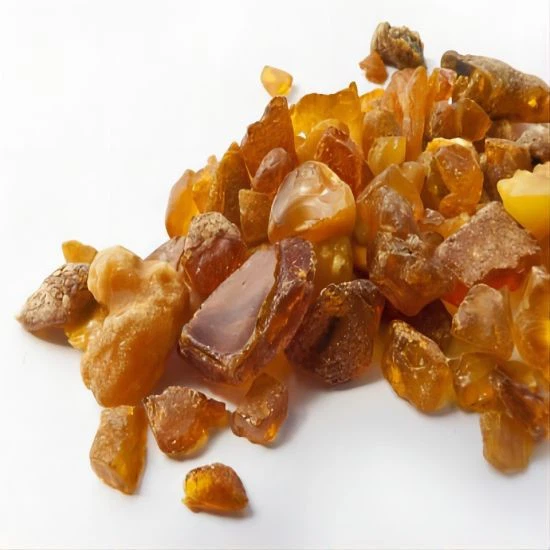
Before delving into the application methods, it's essential to understand what bulk rosin is. Rosin is a solid form of resin obtained from pines and some other plants, mainly conifers. It is available in different types, such as Natural Rosin and Pure Rosin. Natural rosin is derived directly from the sap of trees, while pure rosin undergoes further purification processes to remove impurities and achieve a higher level of quality. Bulk Rosin refers to rosin that is sold in large quantities, which is ideal for industrial applications where a significant amount of the material is required.
Application in Musical Instruments
One of the most well - known uses of rosin is in the music industry, particularly for bowed string instruments like violins, cellos, and double basses. Applying rosin to the bow hair is a delicate process that can significantly affect the instrument's sound.
Step - by - Step Application
- Prepare the Bow: Make sure the bow is clean and free of any dirt or old rosin residue. You can use a soft cloth to gently wipe the bow hair.
- Hold the Rosin: Hold the rosin firmly in one hand. The shape of the rosin cake is usually designed to fit comfortably in the hand.
- Apply the Rosin: Rub the rosin gently across the bow hair in a back - and - forth motion. Start from the frog (the end of the bow where you hold it) and move towards the tip. Apply light pressure at first and gradually increase it as needed. It's important not to over - rosin the bow, as this can cause a scratchy or harsh sound.
- Test the Sound: After applying a small amount of rosin, play a few notes on the instrument to test the sound. If the sound is weak or lacks friction, you can apply a little more rosin.
Tips for Optimal Results
- Use a high - quality rosin. Different types of rosin can produce different sounds, so choose one that suits your instrument and playing style.
- Apply rosin regularly, but not too frequently. Over - applying rosin can lead to a build - up on the strings and the instrument, which can be difficult to clean.
Application in Soldering
In the electronics industry, rosin is used as a flux in soldering. Flux helps to remove oxidation from the metal surfaces being soldered, allowing the solder to flow more easily and create a stronger bond.
Types of Rosin Flux
- Rosin - Core Solder: This is the most common type of solder used in electronics. It has a core of rosin flux inside the solder wire. When the solder is heated, the rosin melts and performs its fluxing action.
- Liquid Rosin Flux: This type of flux is applied separately to the soldering area before using the solder. It provides more control over the amount of flux applied and is suitable for more complex soldering tasks.
Application Process
- Prepare the Surface: Clean the metal surfaces to be soldered using a suitable cleaning agent. This helps to remove any dirt, grease, or oxidation.
- Apply the Flux: If using rosin - core solder, simply heat the solder and apply it to the joint. The rosin inside the solder will melt and flow onto the surfaces. If using liquid rosin flux, apply a small amount of flux to the soldering area using a brush or a flux pen.
- Solder the Joint: Heat the soldering iron and touch it to the joint. Once the joint is hot enough, feed the solder wire into the joint. The solder should flow smoothly and form a good bond.
- Clean the Joint: After soldering, clean the joint to remove any excess rosin flux. You can use isopropyl alcohol and a soft brush to clean the area.
Application in Adhesives
Rosin is also used in the production of adhesives due to its sticky and bonding properties.
Bulk Rosin in Adhesive Formulation
- Hot - Melt Adhesives: Rosin can be used as a tackifier in hot - melt adhesives. It helps to increase the adhesive's stickiness and improve its bonding strength. To apply hot - melt rosin - based adhesives, you need a hot - melt glue gun. Heat the adhesive in the gun until it melts, and then apply it to the surfaces to be bonded.
- Solvent - Based Adhesives: Rosin can be dissolved in solvents to create solvent - based adhesives. These adhesives are applied using a brush, roller, or spray gun. The solvent evaporates, leaving behind a strong bond.
Considerations for Adhesive Application
- Surface Preparation: Ensure that the surfaces to be bonded are clean, dry, and free of any contaminants. This helps the adhesive to adhere better.
- Temperature and Humidity: The application of rosin - based adhesives can be affected by temperature and humidity. Follow the manufacturer's instructions regarding the optimal application conditions.
Storage and Handling of Bulk Rosin
Proper storage and handling of bulk rosin are essential to maintain its quality and performance.

Storage Conditions
- Temperature: Rosin should be stored at a cool, dry place. High temperatures can cause the rosin to melt or become sticky, while low temperatures can make it brittle.
- Humidity: Keep the rosin away from high - humidity environments, as moisture can affect its properties.
- Contamination: Store the rosin in a sealed container to prevent contamination from dust, dirt, or other substances.
Handling Precautions
- Wear gloves when handling rosin, especially if you have sensitive skin. Some people may be allergic to rosin.
- Avoid inhaling rosin dust, as it can cause respiratory problems. If you need to break or crush the rosin, do it in a well - ventilated area.
Conclusion
Applying bulk rosin effectively depends on its intended use. Whether you're a musician, an electronics technician, or an adhesive manufacturer, following the right application methods can ensure the best results. As a bulk rosin supplier, I'm committed to providing high - quality rosin products that meet the diverse needs of our customers.
If you're interested in purchasing bulk rosin for your specific application, I encourage you to reach out to discuss your requirements. We can offer a wide range of rosin products, including Natural Rosin, Pure Rosin, and Bulk Rosin. Contact us to start a procurement discussion and find the perfect rosin solution for your business.
References
- "The Physics of Bowed Strings and Woodwinds" by Fletcher, Neville H., and Thomas D. Rossing.
- "Soldering for Electronics" by Karl D. Snider.
- "Adhesive Bonding: Science, Technology, and Applications" by A. V. Pocius.