

When it comes to soldering, rosin flux plays a pivotal role in ensuring a successful and reliable joint. As a seasoned rosin flux supplier, I've witnessed firsthand the diverse behaviors of rosin flux at different soldering temperatures. Understanding these behaviors is crucial for achieving optimal soldering results, whether you're a professional electronics manufacturer or a hobbyist working on a DIY project.
Low - Temperature Soldering (Below 180°C)
At low soldering temperatures, typically below 180°C, rosin flux behaves in a somewhat subdued manner. The primary function of rosin flux at this stage is to prevent oxidation. As the temperature is relatively low, the flux remains in a semi - solid or viscous state. It forms a thin protective layer on the metal surfaces that are to be soldered. This layer acts as a barrier, preventing oxygen from reaching the metal and forming oxides.
For example, when soldering delicate electronic components that are sensitive to high temperatures, such as some surface - mount devices, low - temperature soldering with rosin flux is often preferred. The rosin flux in this case helps to keep the metal surfaces clean and ready for the solder to wet and flow. However, at these low temperatures, the activation of the flux is limited. The chemical reactions that break down surface contaminants and promote better solder adhesion are slow to occur. As a result, the solder may not spread as smoothly as desired, and there could be issues with solder joint strength.
Medium - Temperature Soldering (180°C - 250°C)
This temperature range is where rosin flux truly starts to shine. At around 180°C, the rosin flux begins to soften and melt. The melting of the flux exposes its active ingredients, which are designed to react with metal oxides and other surface contaminants. As the temperature rises towards 250°C, these chemical reactions become more vigorous.
The active components in the rosin flux, such as organic acids, start to break down the metal oxides on the soldering surfaces. This process, known as flux activation, cleans the metal surfaces and allows the solder to wet the surfaces more effectively. When the solder is applied, it can spread evenly across the cleaned metal, forming a strong and reliable bond.
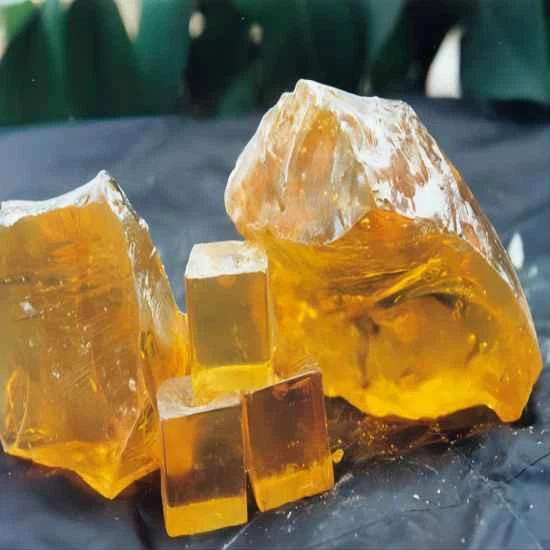

In a production environment, medium - temperature soldering with rosin flux is widely used for general - purpose electronics assembly. It strikes a good balance between preventing oxidation and promoting proper solder flow. For instance, when soldering through - hole components on a printed circuit board (PCB), the rosin flux at this temperature range ensures that the solder fills the holes completely and forms a solid connection between the component leads and the PCB traces. You can find high - quality rosin flux suitable for medium - temperature soldering in our Quality Rosin product line.
High - Temperature Soldering (Above 250°C)
At high soldering temperatures, above 250°C, the behavior of rosin flux changes significantly. The flux undergoes rapid chemical changes. The organic acids in the flux start to decompose more quickly, and the rosin itself may begin to char.
On one hand, the high temperature can accelerate the flux activation process, leading to very fast and efficient cleaning of the metal surfaces. This can be beneficial in applications where quick soldering is required, such as in some mass - production scenarios. However, there are also drawbacks. The charring of the rosin can leave behind a dark, brittle residue on the soldering area. This residue can be difficult to remove and may even affect the long - term reliability of the solder joint.
Moreover, the rapid decomposition of the flux can cause it to lose its ability to protect the metal surfaces from oxidation during the soldering process. If the soldering time is not carefully controlled, the metal may re - oxidize before the solder has a chance to form a proper bond. For applications that require high - temperature soldering, we offer Bulk Rosin that is formulated to withstand these extreme conditions with minimal charring and optimal performance.
Impact of Temperature on Flux Residue
The temperature at which soldering is performed also has a significant impact on the nature of the flux residue left behind. At low temperatures, the flux residue is relatively soft and may be easier to remove. However, due to the limited activation of the flux, there may be more unreacted contaminants and flux components in the residue.
In medium - temperature soldering, the flux residue is usually a more stable and less sticky substance. It can often be removed with a mild cleaning agent, such as isopropyl alcohol. The chemical reactions during medium - temperature soldering result in a residue that is mostly composed of the by - products of the flux activation process, which are generally easier to clean compared to low - temperature residue.
At high temperatures, as mentioned earlier, the flux residue can be charred and hard. Removing this type of residue may require more aggressive cleaning methods, such as the use of specialized solvents. In some cases, the charred residue may even cause physical damage to the surrounding components if not removed carefully.
Considerations for Different Soldering Applications
When choosing the appropriate soldering temperature and rosin flux for a specific application, several factors need to be considered. For applications where heat sensitivity is a major concern, such as in the assembly of some medical devices or high - end consumer electronics, low - temperature soldering with a carefully selected rosin flux is essential. This helps to prevent damage to sensitive components while still achieving a satisfactory solder joint.
On the other hand, for applications that require high - speed production and strong solder joints, medium - to high - temperature soldering may be more appropriate. However, proper process control is necessary to manage the potential issues associated with high - temperature soldering, such as flux charring and re - oxidation.
As a rosin flux supplier, we offer a wide range of products to meet the diverse needs of different soldering applications. Our Pure Rosin products are made from high - quality raw materials, ensuring consistent performance at various soldering temperatures. Whether you're looking for a flux for fine - pitch surface - mount technology or heavy - duty industrial soldering, we have the right solution for you.
Conclusion
In conclusion, the behavior of rosin flux at different soldering temperatures is complex and has a profound impact on the quality of solder joints. By understanding how rosin flux behaves at low, medium, and high temperatures, you can make informed decisions about the soldering process and the choice of flux.
If you're in the market for high - quality rosin flux that performs well across a wide range of soldering temperatures, we invite you to contact us for procurement and further discussions. Our team of experts is always ready to assist you in finding the perfect flux solution for your specific soldering needs.
References
- "Soldering Handbook" - A comprehensive guide on soldering techniques and materials.
- Journal of Electronic Packaging - Articles on the latest research in soldering and flux technology.
- "Fundamentals of Soldering for Electronics" - A textbook that covers the basic principles of soldering, including the role of flux at different temperatures.