

Hey there! As a linseed oil supplier, I've been getting a lot of questions lately about the environmental impacts of linseed oil production. So, I thought I'd take some time to break it down for you all.
Let's start with the basics. Linseed oil, also known as flaxseed oil, comes from the seeds of the flax plant. It's used in a bunch of different ways, from being a key ingredient in paints and varnishes to being a super - healthy addition to our diets. You can check out some of our Edible Linseed Oil products on our website.
Cultivation of Flax
The first step in linseed oil production is growing the flax plants. Flax is a cool - season crop, and it's pretty adaptable. It can grow in a variety of soil types, which is great because it doesn't need super - fertile land. This means that farmers can use marginal lands for flax cultivation, reducing the pressure on prime agricultural areas.
However, like any crop, flax does require some inputs. Fertilizers are often used to boost growth and increase yields. Man - made fertilizers, especially nitrogen - based ones, can have a negative environmental impact. When they're over - applied, nitrogen can leach into groundwater, causing water pollution. It can also contribute to the formation of greenhouse gases like nitrous oxide, which is a potent climate - warming gas.
Pesticides are another concern. Flax can be attacked by pests like aphids and diseases such as rust. To protect the crop, farmers might use pesticides. These chemicals can harm non - target organisms, including beneficial insects like bees and ladybugs. They can also contaminate soil and water sources. But, many modern farmers are adopting integrated pest management (IPM) strategies. IPM involves using a combination of biological, cultural, and chemical control methods to minimize the use of pesticides.
Harvesting and Processing
Once the flax plants are ready, it's time for harvesting. Traditional harvesting methods are relatively low - impact. They often involve cutting the plants close to the ground and then threshing to separate the seeds from the rest of the plant. However, in large - scale commercial operations, modern machinery is used. These machines consume fossil fuels, which release carbon dioxide into the atmosphere, contributing to global warming.
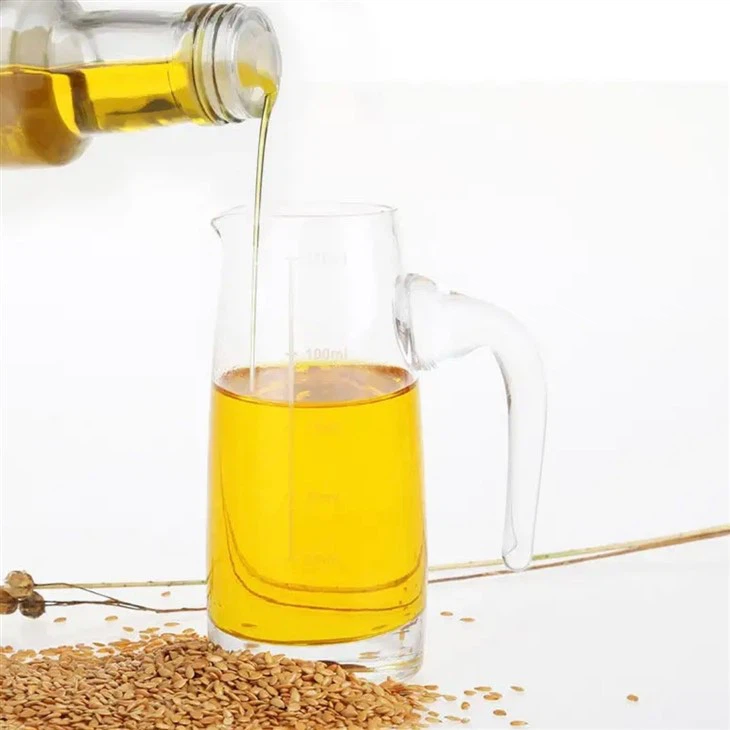
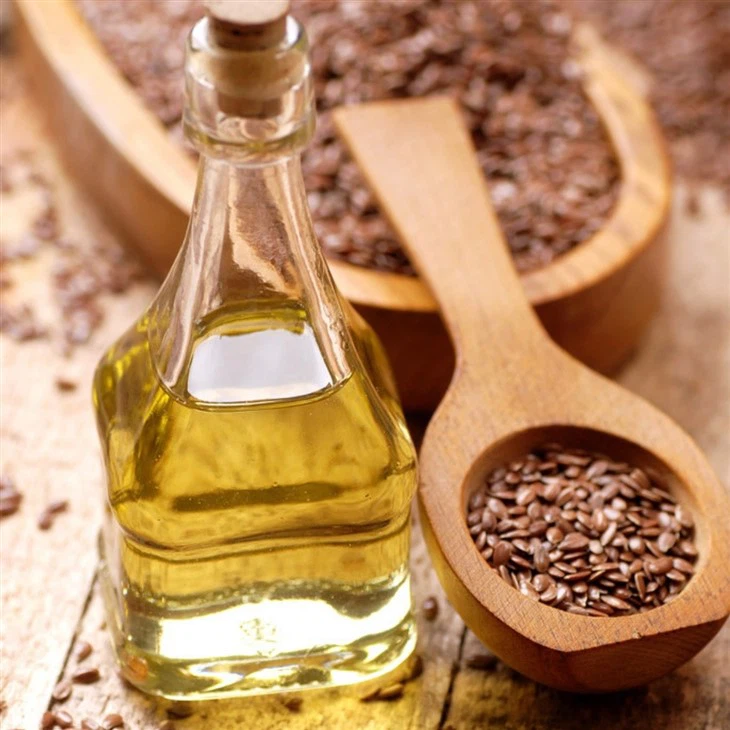
After harvesting, the seeds need to be processed to extract the oil. There are different methods of oil extraction. Cold - pressing is a popular method, especially for Edible Linseed Oil. It's a mechanical process that doesn't use any chemicals. This is great for the environment because it avoids the use of solvents, which can be toxic and difficult to dispose of properly.
On the other hand, some industrial extraction methods use solvents like hexane. Hexane is a volatile organic compound (VOC) that can escape into the air during the extraction process. VOCs can react with other pollutants in the atmosphere to form smog, which is harmful to human health and the environment.
Waste Management
During the production of linseed oil, there's a significant amount of waste generated. After the oil is extracted, the remaining seed cake can be used as animal feed. This is a great example of a circular economy approach, as it reduces waste and provides a valuable resource for the livestock industry.
However, if the waste isn't managed properly, it can cause problems. For instance, if the seed cake is dumped in landfills, it can decompose and produce methane, another powerful greenhouse gas. So, it's crucial to have proper waste management systems in place.
Transportation
Once the linseed oil is produced, it needs to be transported to consumers. Whether it's being shipped overseas or delivered locally, transportation is a major contributor to the carbon footprint of linseed oil. Trucks, ships, and airplanes all burn fossil fuels, emitting carbon dioxide and other pollutants.
To reduce the environmental impact of transportation, we can look into more sustainable options. For example, using electric vehicles for local deliveries or choosing shipping routes that are more fuel - efficient.
The Positive Side
Despite these environmental challenges, linseed oil production also has some positive aspects. Flax plants are good for soil health. They have deep roots that can help prevent soil erosion. The roots also add organic matter to the soil when they decompose, improving soil structure and fertility.
Linseed oil is also a renewable resource. As long as we keep growing flax plants, we can keep producing linseed oil. And when it comes to its end - use, linseed oil can be a more environmentally friendly alternative to some synthetic products. For example, linseed - based paints and varnishes are often biodegradable, unlike many petroleum - based products.
Our Commitment as a Supplier
At our company, we're committed to minimizing the environmental impact of our linseed oil production. We work closely with farmers to promote sustainable cultivation practices. We encourage the use of organic fertilizers and IPM techniques to reduce the use of chemicals.
In our processing facilities, we're investing in more energy - efficient equipment. We're also exploring ways to reduce our waste and reuse as much of the by - products as possible. And when it comes to transportation, we're looking for partners who share our commitment to sustainability.
If you're interested in learning more about our Food - Grade Flaxseed Oil (Linseed Oil) – High in Omega - 3 or have any questions about our environmental practices, we'd love to hear from you. Whether you're a retailer looking to stock our products or an individual interested in a healthier and more sustainable lifestyle, we're here to help. Reach out to us, and let's start a conversation about how we can work together to make a positive impact on the environment while enjoying the benefits of linseed oil.
References
- Smith, J. (2020). "Sustainable Crop Cultivation: The Case of Flax". Journal of Agricultural Sustainability.
- Brown, A. (2019). "Environmental Impacts of Oil Extraction Methods". Environmental Science Review.
- Green, C. (2021). "Waste Management in the Linseed Oil Industry". Waste and Recycling Journal.