

Hey there! As a rosin glue supplier, I've had my fair share of experiences with this product. It's widely used in many industries, but like any other thing out there, it's got its fair share of disadvantages. In this blog, I'm gonna break down some of the drawbacks of rosin glue so you can make an informed decision when considering using it.
Environmental Concerns
One of the big issues with rosin glue is its environmental impact. Rosin is typically derived from pine trees. Although pine trees are renewable resources, the extraction process of rosin can be quite energy - intensive. A lot of energy is used in the collection and processing of the resin from the trees to turn it into usable rosin glue.
Moreover, large - scale rosin production can lead to deforestation if not properly managed. The demand for rosin can push companies to harvest trees at a rate faster than they can regenerate. This not only disrupts the natural ecosystem but also affects the habitats of countless plant and animal species. If you're someone who's really into sustainable products, Pure Rosin might seem appealing at first glance, but you've got to consider these broader environmental implications.
Limited Temperature Resistance
Rosin glue doesn't do so well when it comes to extreme temperatures. At high temperatures, rosin glue can soften and lose its adhesive properties. This means that if you're using it in an environment where the temperature gets too hot, like in an industrial setting with high - temperature machinery or in a sunny outdoor location during the summer, the bond created by the rosin glue can start to weaken.
On the flip side, in cold temperatures, rosin glue can become brittle. When it becomes brittle, it's more likely to crack and break, which also ruins the adhesion. So, if you need an adhesive for a project that will be exposed to a wide range of temperatures, Quality Rosin might not be the best choice, as it may not maintain its integrity under these harsh conditions.
Poor Water Resistance
Another significant downside of rosin glue is its lack of water resistance. When exposed to moisture or water, rosin glue can break down relatively quickly. This is a major problem if you're using it for projects that will be in contact with water, like in the marine industry or for outdoor furniture that may get rained on.
The water can seep into the glue joint and cause the adhesive to swell, which weakens the bond between the materials. Over time, the bond may fail completely. Even a small amount of humidity can affect the performance of rosin glue over the long term. So, for applications where water resistance is crucial, Natural Rosin - based glue might not meet your requirements.
Allergic Reactions
Some people can have allergic reactions to rosin glue. The resin in rosin contains various chemicals that can trigger an immune response in sensitive individuals. Symptoms of a rosin allergy can range from mild skin irritation, such as redness and itching, to more severe reactions like swelling and difficulty breathing in extreme cases.
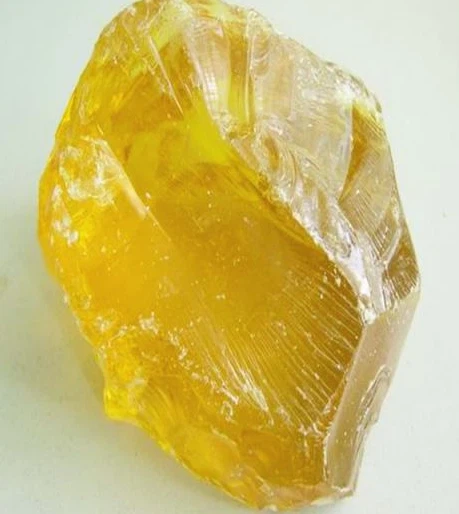

This is a concern not only for the end - users of products made with rosin glue but also for the workers involved in the manufacturing process. Workers who are constantly exposed to rosin glue may develop occupational allergies over time, which can lead to health problems and lost work days.
Adhesion to Certain Materials
Rosin glue doesn't adhere well to all materials. It may struggle to create a strong bond with smooth surfaces like plastics or metals. The surface tension and chemical composition of these materials can prevent the rosin glue from properly wetting and bonding.
For example, if you're trying to glue two pieces of plastic together using rosin glue, the bond may not be very reliable. You might find that the pieces come apart easily, even with a small amount of stress applied. This limits the versatility of rosin glue in various industries where different types of materials need to be joined.
Shelf Life and Storage
Rosin glue has a relatively short shelf life compared to some other adhesives. Over time, the properties of rosin glue can change. It can start to harden or become more viscous, making it difficult to apply and reducing its adhesive strength.
Proper storage is crucial to extend the shelf life of rosin glue. It needs to be stored in a cool, dry place away from direct sunlight. If it's not stored correctly, the glue can deteriorate even faster. This can be a hassle for businesses that need to keep a stock of rosin glue on hand, as they have to be extra careful about how they store it to ensure its quality.
Cost - Effectiveness in Some Cases
While rosin glue can be cost - effective in certain applications, in others, it may not offer the best value for money. When considering the limitations we've discussed earlier, such as its poor performance in extreme temperatures and low water resistance, you may end up having to replace or re - apply the glue more frequently.
This can add up to higher costs in the long run. For example, if you're using rosin glue in a project that requires a long - lasting and reliable bond, and the glue fails due to its limitations, you'll have to spend more money on new glue and potentially on labor to re - do the job.
Conclusion
So, there you have it - the main disadvantages of rosin glue. As a supplier, I understand that these drawbacks might make you hesitant to use rosin glue. But it's important to note that rosin glue also has its advantages, like its natural origin and relatively good initial adhesion in some cases.
If you're still interested in exploring rosin glue for your project, I'd be more than happy to discuss your specific needs. We can figure out if rosin glue is the right fit for you or if there are other alternatives that might work better. Feel free to reach out to me if you want to start a conversation about procurement.
References
- Smith, J. (2020). "The Environmental Impact of Rosin Production". Journal of Industrial Ecology.
- Brown, A. (2019). "Allergic Reactions to Rosin - Based Products". Medical Journal of Allergies.
- Green, L. (2021). "Adhesive Properties of Rosin Glue Under Different Conditions". Journal of Materials Science.