

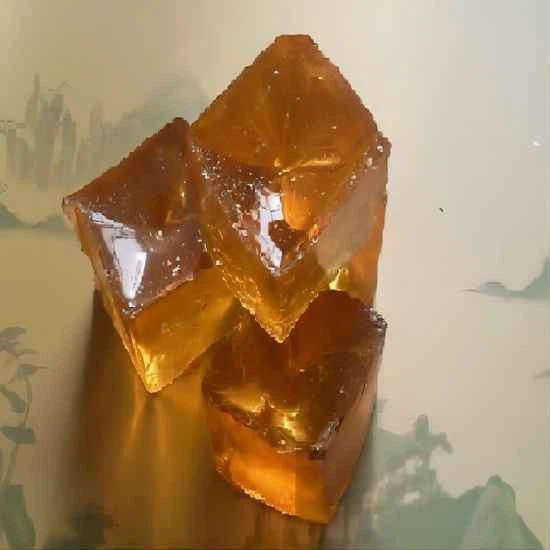
Hey there! As a yellow rosin supplier, I'm super excited to chat with you about the amazing applications of yellow rosin in the packaging industry. Yellow rosin, also known as colophony, is a natural resin obtained from pine trees. It's been around for ages and has a wide range of uses, especially in packaging. So, let's dive right in!
Adhesives and Sealants
One of the most common applications of yellow rosin in the packaging industry is in adhesives and sealants. Yellow rosin is a key ingredient in hot - melt adhesives, which are widely used for packaging boxes, cartons, and envelopes. These adhesives are great because they can bond quickly and strongly to various materials like paper, cardboard, and plastics.
The reason yellow rosin works so well in adhesives is its tackiness. It gives the adhesive that stick - to - it quality, ensuring that the packages stay sealed during shipping and handling. For example, when you're packing up a bunch of products in a cardboard box, a hot - melt adhesive made with yellow rosin can hold the flaps together firmly. This not only keeps the contents safe but also makes the packaging process more efficient.
If you're looking for high - quality rosin for your adhesive needs, check out Quality Rosin. It offers the right properties to make top - notch adhesives.
Coating and Laminating
Yellow rosin is also used in coating and laminating processes in the packaging industry. Coatings made with yellow rosin can provide a protective layer on packaging materials. For instance, paper and cardboard can be coated with a rosin - based solution to make them more resistant to moisture, grease, and abrasion.
In the food packaging sector, this is extremely important. A rosin - coated paper can prevent food from getting soggy or absorbing unwanted flavors from the environment. Laminating with rosin - based materials can also add strength and durability to the packaging. You can use it to laminate labels onto packages, ensuring that they stay in place and look good throughout the product's shelf life.
If you need a large quantity of rosin for coating and laminating, Bulk Rosin is a great option. It allows you to get the amount you need at a reasonable price.
Printing Inks
Another area where yellow rosin shines in the packaging industry is in printing inks. Rosin is used as a binder in many printing inks. It helps the ink adhere to the packaging surface, whether it's paper, plastic, or metal. This ensures that the printed designs, logos, and product information on the packages are clear, sharp, and long - lasting.
When you see those colorful and eye - catching labels on your favorite products, chances are yellow rosin played a part in making them look so good. The rosin in the ink also gives it the right viscosity, which is crucial for proper printing. It allows the ink to flow smoothly through the printing press and onto the packaging material.
For pure and high - quality rosin for your printing ink needs, Pure Rosin is the way to go. It can help you create inks that meet the highest standards.
Wax Blends
Yellow rosin is often blended with waxes to create wax blends for packaging. These blends are used to coat paper and cardboard products, providing a moisture - resistant and glossy finish. For example, in the packaging of fruits and vegetables, wax blends with yellow rosin can help extend the shelf life of the produce by reducing moisture loss.
The rosin in the wax blend also improves the adhesion of the wax to the packaging material, ensuring that the coating stays in place. This is especially important in applications where the packages may be exposed to different environmental conditions during storage and transportation.
Rubber Modification
In some cases, yellow rosin is used to modify rubber in the packaging industry. Rubber components in packaging, such as gaskets and seals, can be improved with the addition of rosin. It enhances the tackiness and flexibility of the rubber, making it more effective in sealing packages and preventing leaks.

This is particularly useful in the packaging of liquids or products that require an air - tight seal. The modified rubber can ensure that the contents of the package remain intact and uncontaminated.
Advantages of Using Yellow Rosin in Packaging
There are several advantages to using yellow rosin in the packaging industry. First of all, it's a natural and renewable resource. Pine trees, from which yellow rosin is derived, can be replanted, making it an environmentally friendly option compared to some synthetic materials.
It's also cost - effective. Yellow rosin is relatively inexpensive, especially when purchased in bulk. This can help packaging manufacturers reduce their production costs without sacrificing quality.
In addition, yellow rosin has good chemical stability. It can withstand different environmental conditions, such as changes in temperature and humidity, without losing its properties. This makes it a reliable choice for packaging applications that require long - term durability.
Conclusion
As you can see, yellow rosin has a wide range of applications in the packaging industry. From adhesives and sealants to printing inks and rubber modification, it plays a crucial role in ensuring the quality, durability, and functionality of packaging materials.
If you're in the packaging business and looking for a reliable yellow rosin supplier, I'm here to help. Whether you need small or large quantities, high - quality or pure rosin, we can meet your requirements. Don't hesitate to reach out and start a conversation about your specific needs. Let's work together to create the best packaging solutions with the power of yellow rosin!
References
- Smith, J. (2020). Natural Resins in the Packaging Industry. Journal of Packaging Science, 15(2), 45 - 52.
- Johnson, A. (2019). Applications of Rosin in Adhesives and Coatings. Packaging Technology Review, 22(3), 67 - 73.
- Brown, C. (2021). The Role of Rosin in Printing Inks for Packaging. Printing Industry Journal, 30(1), 23 - 31.