

Hey there! I'm a supplier of Pure Linseed Oil, and I'm super excited to share with you how this amazing product can be used in packaging material production. Linseed oil has been around for ages, and it's got some pretty cool properties that make it a great choice for packaging.
What is Pure Linseed Oil?
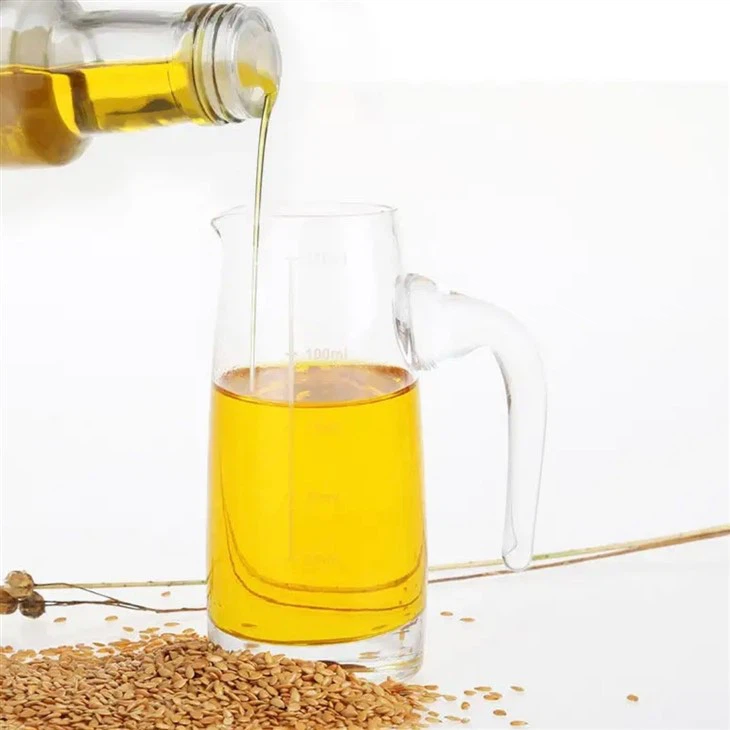
First off, let's talk a bit about what pure linseed oil is. Linseed oil comes from the seeds of the flax plant. It's a natural oil that's been used in various industries for a long time. There are different types of linseed oil, but pure linseed oil is, well, just that - pure! It doesn't have a bunch of additives or chemicals in it.
You can find more info about Pure Linseed Oil on our website. It's an eco - friendly option, and that's becoming more and more important these days.
Why Use Pure Linseed Oil in Packaging?
There are several reasons why pure linseed oil is a great addition to packaging material production.
1. Biodegradability
One of the biggest advantages is that it's biodegradable. In a world where we're trying to reduce our environmental impact, this is huge. Traditional packaging materials like plastics can take hundreds of years to break down, but linseed oil - based packaging will decompose much faster. This means less waste sitting in landfills for ages.
2. Moisture Resistance
Linseed oil forms a protective film when it dries. This film can help protect the contents of the package from moisture. Whether it's food products that can spoil if they get wet or other items that can be damaged by humidity, the moisture - resistant properties of linseed oil can come in really handy.
3. Adhesion
It has good adhesion properties. This means it can stick well to different types of packaging materials. Whether you're working with paper, cardboard, or even some types of natural fibers, linseed oil can help bind things together and create a more durable package.
How to Incorporate Pure Linseed Oil in Packaging Material Production
1. Coating
One of the most common ways to use pure linseed oil in packaging is by applying it as a coating. You can use a simple brush or a sprayer to apply a thin layer of linseed oil to the surface of the packaging material.
- Preparation: First, make sure the packaging material is clean and dry. Any dirt or moisture on the surface can affect how well the linseed oil adheres.
- Application: If you're using a brush, dip it into the linseed oil and spread it evenly over the surface. Try to get a thin, consistent layer. If you're using a sprayer, adjust the settings so that you get a fine mist.
- Drying: After application, let the linseed oil dry. This can take a few hours to a couple of days, depending on the thickness of the layer and the environmental conditions. You can speed up the drying process by using a fan or by placing the coated material in a well - ventilated area.
2. Mixing with Other Materials
You can also mix pure linseed oil with other natural materials to create a composite packaging material. For example, you can mix it with pulp to make a stronger and more moisture - resistant paper.
- Ratio: The ratio of linseed oil to other materials will depend on the specific properties you're looking for. A good starting point is to use about 10 - 20% linseed oil by weight, but you may need to adjust this based on your testing.
- Mixing: Use a mixer to thoroughly combine the linseed oil with the other materials. Make sure there are no clumps and that the oil is evenly distributed.
- Forming: Once the mixture is ready, you can use traditional paper - making or molding techniques to form it into the desired packaging shape.
3. As an Adhesive
As mentioned earlier, linseed oil can be used as an adhesive. You can apply it between two layers of packaging material to bond them together.
- Surface Preparation: Just like with coating, the surfaces to be bonded need to be clean and dry.
- Application: Apply a thin layer of linseed oil to one of the surfaces. Then, press the two surfaces together firmly. You may need to hold them in place for a while to ensure a good bond.
Applications in Different Types of Packaging
Food Packaging
Linseed oil is a great option for food packaging. It's non - toxic and can be used in contact with food. You can find more about Edible Linseed Oil and Edible Linseed Oil on our site.
- Moisture Protection: It can protect food from moisture, which helps to extend its shelf life. For example, if you're packaging nuts or dried fruits, a linseed oil - coated package can keep them fresh for longer.
- Barrier to Oxygen: Linseed oil can also act as a barrier to oxygen, which can prevent oxidation and spoilage of food products.
Industrial Packaging
In industrial settings, linseed oil - based packaging can protect products from corrosion and damage during shipping and storage.
- Corrosion Resistance: For metal products, a linseed oil - coated packaging can prevent rusting. The oil forms a protective layer that keeps moisture and oxygen away from the metal surface.
- Shock Absorption: When mixed with some natural fibers, linseed oil can create a packaging material that has good shock - absorbing properties, which is great for protecting fragile industrial components.
Quality Control
When using pure linseed oil in packaging material production, it's important to have a good quality control process in place.
- Testing the Oil: Make sure the linseed oil you're using meets the required quality standards. You can test for things like purity, viscosity, and drying time.
- Testing the Packaging Material: Once the packaging material is produced, test it for properties like strength, moisture resistance, and adhesion. You can use standard testing methods to ensure that the final product meets your specifications.
Conclusion
So, there you have it! Pure linseed oil is a versatile and eco - friendly option for packaging material production. Whether you're in the food industry or industrial manufacturing, it can offer a range of benefits.
If you're interested in using pure linseed oil in your packaging production, I'd love to have a chat with you. We can discuss your specific needs, and I can provide you with samples and more detailed information. Don't hesitate to reach out and start a conversation about how we can work together to create better packaging solutions.

References
- "The Handbook of Natural Fibers" - This book provides in - depth information about natural materials, including linseed oil, and their applications in various industries.
- "Packaging Technology" - A comprehensive resource on different packaging materials and production techniques. It also covers the use of natural additives like linseed oil.