

Tung oil, a natural drying oil derived from the seeds of the tung tree, has been a popular choice for wood finishing for centuries. Its unique properties, such as excellent water resistance, durability, and a beautiful natural sheen, make it a favorite among woodworkers, guitar makers, and DIY enthusiasts. However, one of the common challenges users face is the relatively long drying time of tung oil. As a tung oil supplier, I understand the importance of finding ways to make tung oil dry faster without compromising its quality. In this blog post, I will share some effective tips and techniques to help you speed up the drying process of tung oil.
Understanding the Drying Process of Tung Oil
Before we dive into the methods of accelerating the drying time, it's essential to understand how tung oil dries. Tung oil dries through a process called oxidation, where it reacts with oxygen in the air to form a hard, protective film on the surface of the wood. This process is influenced by several factors, including temperature, humidity, air circulation, and the thickness of the oil application.
Factors Affecting the Drying Time of Tung Oil
Temperature
Temperature plays a crucial role in the drying process of tung oil. Higher temperatures generally speed up the oxidation process, while lower temperatures slow it down. The ideal temperature range for drying tung oil is between 70°F and 80°F (21°C - 27°C). If the temperature is too low, the oil may take days or even weeks to dry completely.
Humidity
Humidity also affects the drying time of tung oil. High humidity levels can slow down the oxidation process because the water vapor in the air can interfere with the reaction between the oil and oxygen. It's best to apply tung oil in an environment with a relative humidity of 40% - 60%.
Air Circulation
Good air circulation is essential for the proper drying of tung oil. Stagnant air can trap moisture and slow down the oxidation process. Make sure the area where you are applying the oil is well-ventilated, and use fans to increase air movement if necessary.
Thickness of Application
The thickness of the tung oil application also impacts the drying time. A thicker coat of oil will take longer to dry than a thin coat. It's recommended to apply multiple thin coats of tung oil rather than one thick coat to ensure faster drying and a more even finish.
Tips to Make Tung Oil Dry Faster
Choose the Right Type of Tung Oil
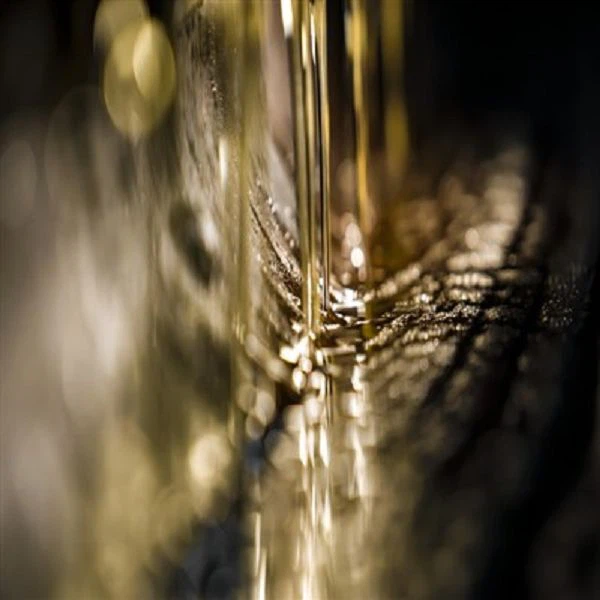
There are different types of tung oil available on the market, including raw tung oil, polymerized tung oil, and boiled tung oil. Raw tung oil has the longest drying time, while polymerized and boiled tung oil dry faster. Polymerized tung oil has been chemically treated to speed up the drying process, while boiled tung oil has been heated with metallic dryers to accelerate oxidation. If you need the oil to dry quickly, consider using polymerized or boiled tung oil. You can find high-quality Pure Tung Oil on our website.

Prepare the Surface Properly
Proper surface preparation is crucial for the fast and even drying of tung oil. Make sure the wood surface is clean, dry, and sanded smooth. Remove any dirt, dust, or grease from the surface before applying the oil. Sanding the wood helps to open up the pores, allowing the oil to penetrate more easily and dry faster.
Apply Thin Coats
As mentioned earlier, applying multiple thin coats of tung oil is better than one thick coat. Thin coats dry faster and are less likely to develop wrinkles or bubbles. Allow each coat to dry completely before applying the next one. The drying time between coats can vary depending on the type of tung oil, temperature, and humidity, but it's usually between 24 and 48 hours.
Use a Drying Agent
Adding a drying agent to the tung oil can significantly speed up the drying process. There are several types of drying agents available, such as cobalt, manganese, and zirconium driers. These driers catalyze the oxidation reaction, allowing the oil to dry faster. However, it's important to use drying agents in moderation, as too much can cause the oil to dry too quickly and develop a brittle finish.
Increase Temperature and Air Circulation
To speed up the drying process, you can increase the temperature and air circulation in the drying area. You can use a space heater to raise the temperature to the ideal range of 70°F - 80°F (21°C - 27°C). Additionally, use fans to increase air movement and remove moisture from the air. Make sure to place the fans in a way that they blow air across the surface of the oiled wood.
Apply Heat
In some cases, you can apply gentle heat to the oiled surface to speed up the drying process. You can use a heat gun or a hair dryer on a low setting to warm the oiled wood. Keep the heat source at a safe distance to avoid overheating the oil and causing it to bubble or burn. Move the heat source constantly to ensure even drying.
Applications of Tung Oil and the Importance of Fast Drying
Tung oil has a wide range of applications, especially in the maintenance of guitars and other musical instruments. Its natural properties make it an excellent choice for protecting and enhancing the beauty of wood. Tung Oil For Guitar & Musical Instrument Maintenance is a popular product among musicians and instrument makers. Fast drying of tung oil is crucial in these applications as it allows for a quicker turnaround time in the production and maintenance of musical instruments.
In addition to musical instruments, tung oil is also commonly used for finishing furniture, cabinets, and wooden floors. For furniture makers and DIY enthusiasts, reducing the drying time of tung oil can save a significant amount of time and increase productivity. Our CHINESE TUNG OIL is known for its high quality and can be used in various woodworking projects.
Conclusion
Making tung oil dry faster is achievable by understanding the factors that affect the drying process and implementing the right techniques. By choosing the right type of tung oil, preparing the surface properly, applying thin coats, using a drying agent, and controlling the temperature, humidity, and air circulation, you can significantly reduce the drying time of tung oil. As a tung oil supplier, we are committed to providing high-quality products and helpful advice to our customers. If you have any questions or need further assistance with tung oil, please feel free to contact us for procurement and洽谈. We look forward to working with you to meet your tung oil needs.
References
- "Wood Finishing: A Complete Guide" by Bob Flexner
- "The Woodworker's Guide to Finishing" by Jeff Jewitt