

How many coats of boiled tung oil should I apply?
As a supplier of Boiled Tung Oil, I often receive inquiries from customers about the optimal number of coats to apply. The answer isn't one - size - fits - all, as it depends on several factors. In this blog, I'll break down these factors and guide you through determining the right number of coats for your project.
Understanding Boiled Tung Oil
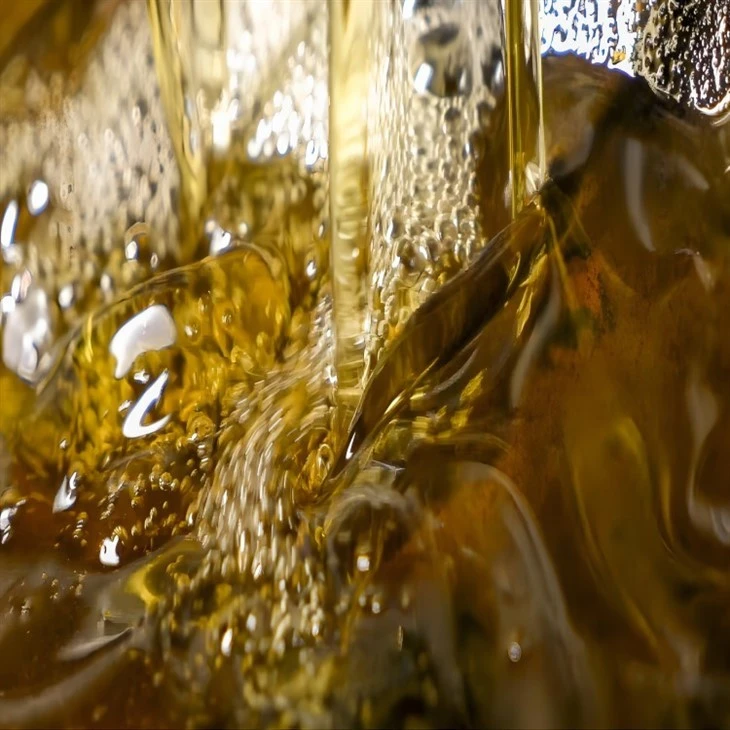
Before delving into the number of coats, it's essential to understand what Boiled Tung Oil is. Boiled tung oil is a refined form of pure tung oil. It has been treated to dry faster than its pure counterpart. This oil is derived from the nuts of the tung tree and has been used for centuries as a natural wood finish. It penetrates deep into the wood, enhancing its natural beauty while providing protection against moisture, scratches, and wear.
Factors Affecting the Number of Coats
- Type of Wood
- Different woods have different porosities. Softwoods like pine are more porous than hardwoods such as oak or maple. Porous woods tend to absorb more oil, so they may require more coats to achieve a uniform finish. For instance, if you're working with pine, you might need 3 - 4 coats to ensure that the wood is fully saturated and protected. On the other hand, a dense hardwood like teak may only need 2 - 3 coats.
- Desired Appearance
- If you're aiming for a natural, matte look where the wood's grain is highly visible, fewer coats may be sufficient. One or two coats can enhance the wood's natural color and texture without creating a thick, glossy finish. However, if you want a more durable and glossy finish, like for a high - traffic piece of furniture or a musical instrument, you'll likely need more coats. For a guitar or other musical instrument, achieving a smooth and shiny finish often requires 4 - 6 coats of Tung Oil For Guitar & Musical Instrument Maintenance.
- Usage and Environment
- The intended use of the finished item plays a significant role. Items that will be exposed to moisture, such as outdoor furniture or kitchen cabinets, need more protection. In these cases, 3 - 5 coats are recommended to create a robust barrier against water damage. Indoor items that are not subject to heavy wear and tear may only need 2 - 3 coats.
Applying the Coats
- First Coat
- The first coat of boiled tung oil is crucial as it prepares the wood for subsequent coats. Start by sanding the wood surface to a smooth finish. Wipe away any dust with a clean, dry cloth. Apply the first coat of oil using a brush, cloth, or a sprayer. Make sure to work the oil into the wood grain, covering the entire surface evenly. Allow the first coat to dry for the recommended time, usually 24 - 48 hours.
- Subsequent Coats
- After the first coat has dried, lightly sand the surface with fine - grit sandpaper to smooth out any raised grain or unevenness. This step helps the next coat of oil adhere better. Wipe away the sanding dust and apply the second coat. Repeat this process for each additional coat. As you apply more coats, the finish will become more durable and the color will deepen.
General Guidelines for Different Projects
- Furniture
- For most indoor furniture, 2 - 3 coats of boiled tung oil are usually sufficient. This provides a good balance between protection and a natural look. If the furniture will be used in a high - traffic area or will be exposed to spills, an additional coat can be applied for extra protection.
- Floors
- Floors require more protection due to the heavy foot traffic. 3 - 5 coats of boiled tung oil are recommended. Make sure to allow each coat to dry completely before applying the next one to ensure a long - lasting finish.
- Outdoor Projects
- Outdoor items like decks, fences, and garden furniture need maximum protection against the elements. 4 - 6 coats of boiled tung oil are advisable. These multiple coats create a thick barrier that can withstand rain, sun, and temperature changes.
Benefits of Multiple Coats
- Enhanced Protection
- Each additional coat of boiled tung oil adds to the protective layer on the wood. This helps prevent water penetration, which can lead to rot and decay. It also protects the wood from scratches and abrasion, extending the lifespan of the item.
- Improved Appearance
- Multiple coats result in a more uniform and professional - looking finish. The color of the wood becomes richer and deeper, and the grain is more pronounced. This can significantly enhance the aesthetic appeal of the finished product.
Conclusion
Determining the number of coats of boiled tung oil to apply depends on various factors, including the type of wood, the desired appearance, and the usage of the item. By following the guidelines provided in this blog, you can achieve the best results for your project.

If you're interested in purchasing high - quality Boiled Tung Oil or Pure Tung Oil for your next project, feel free to reach out to us for more information and to discuss your specific needs. Our team of experts is ready to assist you in making the right choice.
References
- "Wood Finishing: A Complete Guide" by Bob Flexner
- "The Tung Oil Book" by Tung Oil Manufacturer's Association