

Hey there! I'm a supplier of raw tung oil, and I'm super excited to take you on a journey through how this amazing product is produced. Raw tung oil has been around for ages and is used in all sorts of cool stuff, from wood finishes to traditional art. So, let's dive right in!
The Source: Tung Trees
First things first, raw tung oil comes from the seeds of the tung tree, scientifically known as Vernicia fordii. These trees are mainly found in China, but they're also grown in other parts of Asia and some areas in the United States. Tung trees are pretty cool looking. They can grow up to 20 meters tall and have these big, heart - shaped leaves. In the spring, they produce these beautiful white and pink flowers that look like little stars.
Once the flowers are pollinated, they turn into fruits. These fruits are about the size of a small apple and have a hard outer shell. Inside the shell, there are usually three to four seeds, which are the real goldmine when it comes to making raw tung oil.
Harvesting the Seeds
Harvesting the tung seeds is a crucial step. The best time to harvest is when the fruits have turned brown and start to split open on their own. This usually happens in the fall. Farmers go out into the fields and collect the fallen fruits from the ground. It's a bit like a treasure hunt, but instead of gold, they're looking for these little oil - rich seeds.
After collecting the fruits, they're taken to a processing area. Here, the outer shells are removed to get to the seeds. This can be done by hand, which is a labor - intensive process, or using machines in larger operations. Once the seeds are separated from the shells, they're ready for the next step.
Extracting the Oil
There are a few different ways to extract the oil from the tung seeds. One of the most common methods is mechanical pressing. In this process, the seeds are first crushed to break them up. Then, they're put into a press, which applies a lot of pressure to squeeze out the oil. It's kind of like squeezing an orange to get the juice, but on a much larger and more industrial scale.
The mechanical press can be a hydraulic press or a screw press. Hydraulic presses use a liquid (usually oil) to generate pressure, while screw presses use a rotating screw to crush and extract the oil. The advantage of mechanical pressing is that it's a relatively simple and natural method, and it doesn't involve any chemicals.
Another method is solvent extraction. In this process, a solvent (usually hexane) is used to dissolve the oil from the seeds. The seeds are soaked in the solvent, and then the mixture is heated to evaporate the solvent, leaving behind the oil. Solvent extraction can get a higher yield of oil compared to mechanical pressing, but it's also more complex and requires careful handling of the solvents.
Most of the time, a combination of both methods is used. First, the seeds are mechanically pressed to get as much oil as possible. Then, the remaining seed cake (the part left after pressing) is subjected to solvent extraction to extract the remaining oil.
Refining the Oil
Once the oil has been extracted, it's not quite ready to be sold yet. It needs to be refined to remove any impurities. The refining process usually involves a few steps.
The first step is degumming. In this step, water is added to the oil, and it's heated and stirred. The water causes the gums (which are natural substances in the oil) to clump together and separate from the oil. These gums are then removed by filtration.
Next is neutralization. The oil is treated with an alkaline solution to remove any free fatty acids. This helps to improve the stability and quality of the oil.
After neutralization, the oil is bleached. This is done by adding a bleaching agent (usually activated clay) to the oil. The bleaching agent adsorbs any pigments and other impurities in the oil, making it clearer and lighter in color.
Finally, the oil is deodorized. This is done by heating the oil under a vacuum and passing steam through it. The steam helps to remove any unpleasant odors from the oil.
Types of Tung Oil
Now, there are different types of tung oil available in the market. You've probably heard of Boiled Tung Oil. Boiled tung oil is not actually boiled. It's a mixture of raw tung oil, solvents, and drying agents. These additives help the oil to dry faster and form a harder finish.
Then there's CHINESE TUNG OIL. Chinese tung oil is highly regarded for its quality. China has a long history of producing tung oil, and the climate and soil conditions there are ideal for growing tung trees. Chinese tung oil is known for its high purity and excellent drying properties.
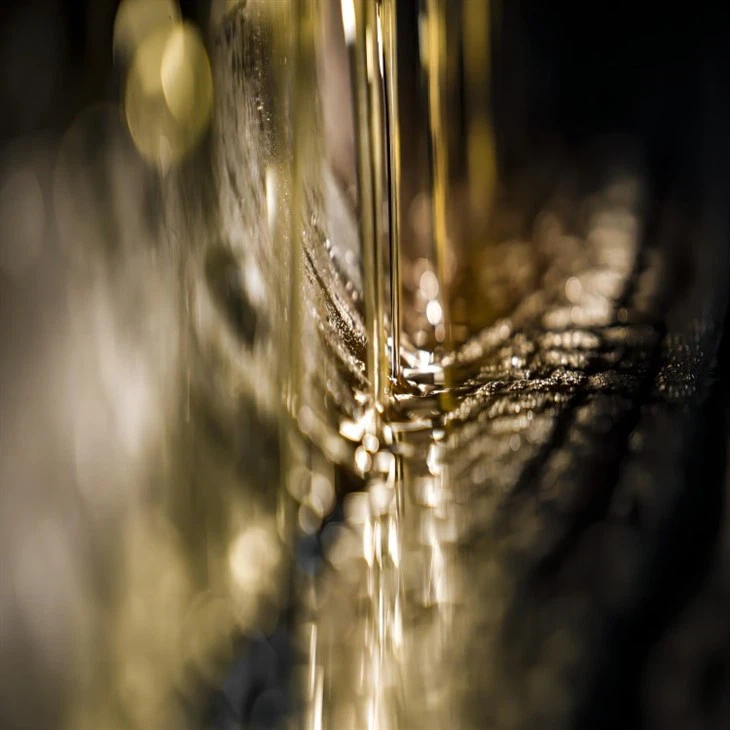
And of course, Pure Tung Oil. Pure tung oil is just that - pure. It's made from 100% tung oil, with no additives or solvents. It takes longer to dry compared to boiled tung oil, but it gives a more natural and durable finish.
Quality Control
As a raw tung oil supplier, quality control is super important to me. We test our oil regularly to make sure it meets the highest standards. We check things like the acid value, the iodine value, and the moisture content. The acid value tells us how much free fatty acid is in the oil, and a lower acid value usually means better quality. The iodine value indicates the degree of unsaturation in the oil, which affects its drying properties. And the moisture content needs to be kept low to prevent the oil from spoiling.
We also make sure that our production process is environmentally friendly. We try to use as little energy as possible and minimize waste. After all, we want to make sure that we're doing our part to protect the planet while producing this great product.
Why Choose Our Raw Tung Oil
There are a lot of reasons why you should choose our raw tung oil. First of all, we source our seeds from the best tung tree plantations. This ensures that our oil has a high quality and a consistent flavor and performance.
Secondly, our production process is carefully monitored at every step. From harvesting the seeds to refining the oil, we make sure that everything is done right. This means that you're getting a product that is pure, clean, and of the highest quality.
Finally, we offer great customer service. If you have any questions about our raw tung oil or how to use it, our team is always here to help. We want to make sure that you have a great experience when you buy from us.
Contact Us for Purchase
If you're interested in purchasing our raw tung oil, whether it's for a small DIY project or a large - scale industrial application, we'd love to hear from you. We can provide you with samples so you can test the oil before making a big order. Just reach out to us, and we'll start the conversation about your specific needs. We're always open to negotiation and finding the best solution for you. Don't hesitate to get in touch and let's work together to make your projects a success!
References
- Smith, J. (2020). The Production of Tung Oil. Journal of Agricultural Science.
- Lee, K. (2019). Tung Tree Cultivation and Oil Extraction. Asian Agricultural Review.
- Chen, H. (2018). Quality Control in Tung Oil Production. International Journal of Food and Oil Technology.