

Music is a universal language that transcends cultural and linguistic barriers, captivating audiences with its enchanting melodies and harmonies. Central to the creation of this musical magic are the instruments themselves, each possessing a unique tonal character that brings the composer's vision to life. For stringed instruments, the role of rosin, a vital accessory, cannot be overstated. As a passionate supplier of Quality Rosin, I have witnessed firsthand how the quality of rosin can significantly impact the tonal color of an instrument. In this blog, I will delve into the science behind this phenomenon and explore the various factors that contribute to the quality of rosin and its resultant effect on sound.
The Fundamentals of Rosin and Its Role in Instrument Play
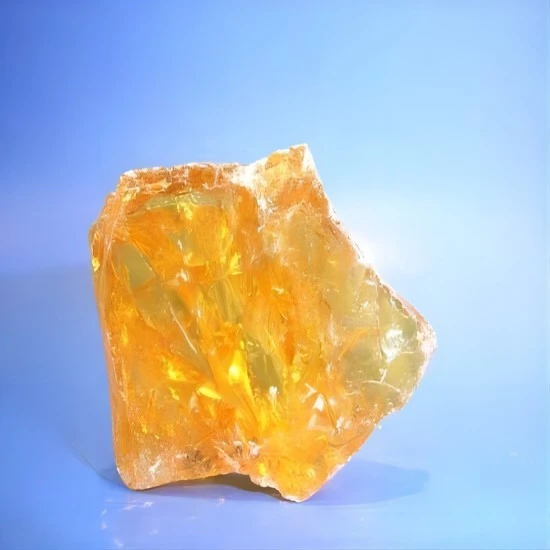
Rosin is a solid form of resin derived from pine trees or other conifers. When applied to the bow, rosin increases the friction between the bow hair and the strings of a stringed instrument, enabling the player to produce a clear and sustained sound. Without rosin, the bow would simply slide across the strings, resulting in a weak and inaudible tone.
The origin of rosin dates back centuries, with its use evolving in tandem with the development of stringed instruments. Over time, different types of rosin have been formulated to cater to the specific needs of various instruments and playing styles. Modern rosin comes in a variety of colors, textures, and hardness levels, each offering distinct tonal qualities.
Key Factors Defining Rosin Quality and Their Tonal Implications
1. Purity
Pure Rosin is highly sought after in the musical community due to its superior quality. The purity of rosin is determined by the absence of impurities and additives. High - purity rosin is typically made from carefully selected resin sources and undergoes a meticulous refining process.
Impurities in rosin can cause the bow hair to become sticky or unevenly coated, leading to inconsistent sound production. On the other hand, pure rosin provides a smooth and even grip on the strings, allowing for a more controlled and consistent tone. It enhances the clarity of the sound, making each note ring out with precision and brilliance. For example, in a solo performance on a violin, pure rosin can help the instrument cut through the ensemble, delivering a rich and well - defined tonal color.
2. Hardness
The hardness of rosin is another crucial factor that affects the tonal color of an instrument. Rosin hardness is usually classified as hard, medium, or soft. The choice of hardness depends on several factors, including the type of instrument, the playing environment, and the personal preference of the musician.
- Hard Rosin: Hard rosin is often preferred in warmer climates or for instruments with a tendency to produce a bright, sharp sound. When the bow is drawn across the strings with hard rosin, it creates a strong and direct attack, resulting in a clear and focused tone. This type of rosin is ideal for instruments like the violin, where a bright and articulate sound is desired for passages with quick articulation and virtuosic playing.
- Medium Rosin: Medium - hardness rosin strikes a balance between the bright, focused tones produced by hard rosin and the warmer, more resonant tones of soft rosin. It is a versatile option suitable for a wide range of playing styles and environments. Medium rosin provides good grip on the strings while also allowing for a certain degree of flexibility in the tone, making it a popular choice among many musicians.
- Soft Rosin: Soft rosin is well - suited for cooler climates or instruments that require a warmer, more mellow sound. It has a lower melting point and provides a more gentle and smooth grip on the strings. This results in a richer, more resonant tone with a greater emphasis on the lower frequencies. Cello and double bass players often prefer soft rosin to achieve a deep, warm, and full - bodied sound.
3. Resin Source
The source of the resin used to make rosin can also have a significant impact on its quality and tonal characteristics. Different species of pine trees and conifers produce resins with unique chemical compositions, which in turn affect the properties of the rosin.
For example, rosin made from certain types of pine trees may have a higher concentration of specific compounds that contribute to a brighter, more vibrant tone. In contrast, rosin sourced from other conifers might result in a warmer, more subdued tonal color. Musicians often experiment with rosin from different resin sources to find the one that best suits their instrument and musical style.
Case Studies: Rosin Quality and Its Tonal Impact
To illustrate the impact of rosin quality on tonal color, let's consider a case study involving a professional violinist. The violinist initially used a low - quality rosin that was impure and of inconsistent hardness. The sound produced by the instrument was dull and lacked clarity, with notes often sounding muddy and unfocused.
Upon switching to a high - quality Pure Rosin from our supply, the difference was immediately noticeable. The new rosin was pure, with a carefully calibrated hardness for the violin. The sound became more vibrant, with each note having a distinct and clear quality. The violin's tonal range expanded, with the high notes becoming more brilliant and the low notes more resonant.

In another case, a cellist who played in a cold concert hall found that their previous hard - rosin was not providing the desired warm and rich tone. After trying our soft - hardness pure rosin, the cello's sound transformed. The tone became deeper, more mellow, and better - suited to the acoustics of the hall, enhancing the overall musical experience.
The Importance of Choosing the Right Rosin
Selecting the appropriate rosin is essential for musicians who want to achieve the best possible tonal color from their instruments. A high - quality rosin can enhance the natural characteristics of an instrument, while a poor - quality rosin can mask its true potential.
Musicians should consider factors such as the type of instrument, the playing environment, and their personal playing style when choosing a rosin. Experimenting with different types of rosin can help them find the perfect match for their needs. As a Quality Rosin supplier, we are committed to providing a wide range of high - quality rosins to meet the diverse requirements of musicians.
Conclusion and Call to Action
In conclusion, the quality of rosin plays a pivotal role in shaping the tonal color of stringed instruments. Factors such as purity, hardness, and resin source all contribute to the unique sound produced by an instrument. By choosing a high - quality rosin, musicians can unlock the full potential of their instruments and create a more captivating musical performance.
If you are a musician looking to enhance the tonal quality of your instrument, or a music store owner seeking a reliable supplier of high - quality rosin, we invite you to contact us for a procurement discussion. Our team of experts is ready to assist you in finding the perfect rosin for your needs.
References
- Bartel, R. (2018). The Science of Stringed Instruments. Oxford University Press.
- Kolstein, C. M. (2003). The Fiddler's Companion: A Practical Guide to Violins, Violists, Cellos, and Bows. Stewart, Tabori & Chang.
- Sachs, C. (1940). The History of Musical Instruments. Norton.