

Hey there, fellow violin enthusiasts! I'm a supplier of rosin on violins, and today, I wanna dive deep into how humidity can mess with your violin rosin. You might be thinking, "Humidity? Really? How's that gonna affect my rosin?" Well, stick around, and I'll break it all down for you.
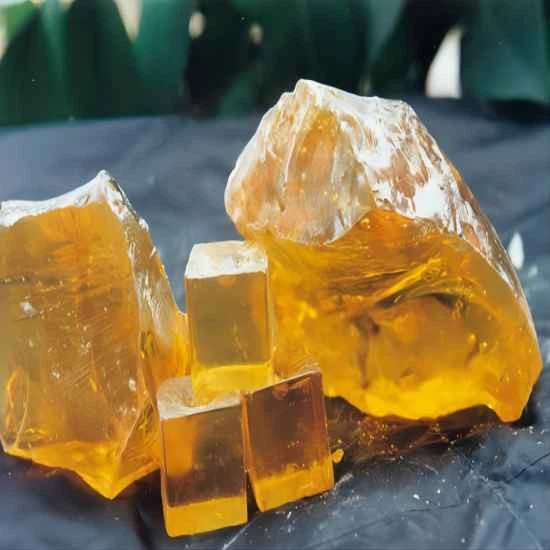
First off, let's talk about what rosin is. It's a crucial part of making your violin sing. Rosin is basically a resin that's derived from pine trees. When you apply it to your bow hair, it creates friction between the hair and the strings, which is what produces that beautiful sound we all love. But humidity can really throw a wrench in this whole process.
When the humidity is high, rosin can get a bit sticky. You know how sometimes you walk outside on a muggy day, and everything just feels damp and sticky? Well, rosin is no different. The moisture in the air can seep into the rosin, making it softer and stickier than usual. This might seem like a good thing at first because you'd think more stickiness would mean more friction and a better sound. But that's not always the case.
A sticky rosin can cause the bow to grab the strings too much. When you're playing, you want the bow to glide smoothly across the strings while still creating enough friction. But with overly sticky rosin, the bow can get stuck on the strings, causing a scratchy, uneven sound. It can also make it harder to control the dynamics of your playing. You might find it difficult to play softly or to make those quick, precise movements.
On top of that, the sticky rosin can build up on the strings and the bridge of your violin. This buildup can affect the way the strings vibrate, which in turn can change the tone of your instrument. It can also be a pain to clean off. You don't want to damage your violin by using the wrong cleaning methods, so dealing with sticky rosin buildup can be a real headache.
Now, let's flip the script and talk about low humidity. When the air is dry, rosin can become brittle. It's like when you leave a piece of fruit out for too long, and it starts to dry up and get all shriveled. The rosin loses its moisture, and it becomes more likely to crack and crumble.
A brittle rosin doesn't create as much friction as it should. When you try to play your violin with brittle rosin, the bow might slide across the strings without making a clear, rich sound. You'll probably have to press down harder on the bow to get any sound at all, which can be tiring and can also put extra stress on your instrument.
Also, the crumbling rosin can create a mess. The little pieces of rosin can fall onto the strings and the body of the violin, and it can be challenging to keep your instrument clean. And if you're performing on stage, having rosin crumbs falling everywhere is definitely not a good look.

So, how can you deal with these humidity-related issues? Well, one of the best things you can do is to store your rosin in a stable environment. If you live in an area with high humidity, you might want to use a dehumidifier in the room where you keep your violin and rosin. This will help keep the air dry and prevent the rosin from getting too sticky.
On the other hand, if you're in a dry climate, you can use a humidifier to add some moisture to the air. Just make sure you don't go overboard. You want to maintain a balanced humidity level, usually around 40 - 60%.
Another option is to choose a rosin that's more resistant to humidity changes. At our shop, we offer Pure Rosin that's been specially treated to withstand different humidity conditions. It's made from high - quality materials and goes through a rigorous manufacturing process to ensure its performance in various environments.
If you're a professional musician or you play a lot, you might also want to consider Bulk Rosin. Buying in bulk not only saves you money in the long run but also ensures that you always have a fresh supply of rosin on hand. And our Quality Rosin is carefully selected to provide the best sound and performance, no matter what the humidity is like.
As a rosin supplier, I know how important it is to have the right rosin for your violin. The humidity can have a big impact on your playing experience, but with the right rosin and some simple precautions, you can keep your instrument sounding great.
If you're interested in learning more about our rosin products or if you have any questions about how humidity affects rosin, don't hesitate to reach out. We're here to help you find the perfect rosin for your needs. Whether you're a beginner just starting out or a seasoned pro, we've got the rosin that will make your violin sing.
So, if you're ready to take your violin playing to the next level, come and check out our range of rosin products. We're confident that you'll find something that suits you. Let's make sure that humidity doesn't get in the way of your musical journey!
References
- Acoustic and Violin Research Journal. "The Effects of Environmental Factors on String Instrument Resins."
- Violinist Magazine. "How Humidity Impacts Your Rosin and What to Do About It."