

As a supplier of Pure Rosin, I often get asked by customers, "How do I know if the rosin I'm buying is pure?" It's a valid question, considering the importance of purity in rosin, especially for applications where quality is paramount. In this blog post, I'll share some insights and methods to help you determine the purity of the rosin you're purchasing.
Understanding Rosin and Its Importance of Purity
Rosin is a solid form of resin obtained from pines and some other plants, mainly conifers. It has a wide range of applications, from musical instruments like violins to industrial uses such as adhesives, soldering fluxes, and in the production of paper and soap. The purity of rosin can significantly affect its performance in these applications. For example, in musical instruments, pure rosin provides a better grip on the strings, producing a clearer and more consistent sound. In industrial applications, impurities can lead to reduced effectiveness and potential damage to equipment.
Visual Inspection
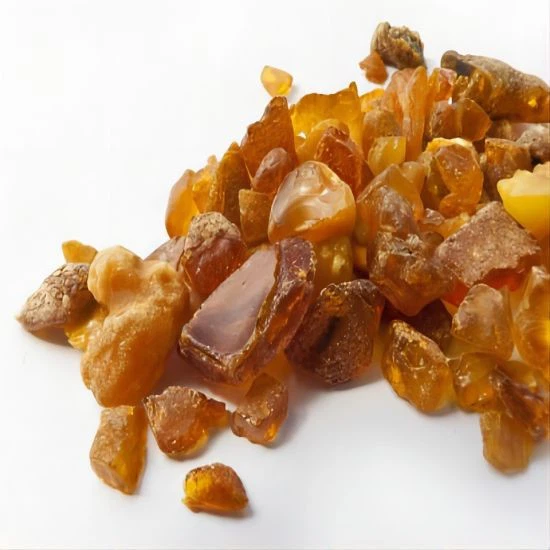
One of the simplest ways to start assessing the purity of rosin is through visual inspection. Pure rosin typically has a clear, amber - colored appearance. It should be free of visible contaminants such as dirt, debris, or foreign particles. If you notice any dark spots, cloudiness, or other irregularities in the rosin, it could be a sign of impurities. However, visual inspection alone is not conclusive, as some impurities may be too small to see with the naked eye.
Solubility Test
A solubility test can also provide some clues about the purity of rosin. Rosin is soluble in certain solvents such as ethanol, turpentine, and acetone. To perform this test, take a small sample of the rosin and dissolve it in a suitable solvent. If the rosin dissolves completely and the solution is clear, it is more likely to be pure. Any residue or cloudiness in the solution may indicate the presence of insoluble impurities.
Melting Point Analysis
The melting point of rosin can be a reliable indicator of its purity. Pure rosin has a relatively narrow melting point range. If the rosin you're testing melts over a wide temperature range, it may contain impurities. You can use a simple melting point apparatus or a heat source and a thermometer to measure the melting point of the rosin. Compare the measured melting point with the known melting point range of pure rosin. Deviations from this range can suggest that the rosin is not pure.

Chemical Analysis
For a more accurate assessment of rosin purity, chemical analysis methods can be employed. Gas chromatography - mass spectrometry (GC - MS) is a powerful technique that can identify and quantify the different components in rosin. It can detect the presence of impurities such as heavy metals, pesticides, and other contaminants. Another method is Fourier - transform infrared spectroscopy (FTIR), which can analyze the chemical bonds in the rosin and identify any foreign substances based on their characteristic infrared absorption patterns. However, these methods require specialized equipment and expertise, so they may not be feasible for individual buyers.
Supplier Reputation
One of the most important factors in ensuring the purity of the rosin you buy is the reputation of the supplier. As a Pure Rosin supplier, we take pride in our commitment to quality. We source our rosin from trusted suppliers and conduct rigorous quality control tests to ensure that our products meet the highest standards of purity. When choosing a rosin supplier, look for one with a proven track record in the industry. Check for customer reviews, certifications, and any industry awards or recognitions. A reputable supplier will be transparent about their sourcing and production processes and will be willing to provide documentation to support the purity of their rosin.
Certifications and Standards
Certifications can also be a good indication of rosin purity. Look for rosin that is certified to meet industry standards such as ISO (International Organization for Standardization) or ASTM (American Society for Testing and Materials). These certifications ensure that the rosin has been tested and meets specific quality and purity criteria. For example, ISO 9001 certification indicates that the supplier has a quality management system in place to ensure consistent product quality.
The Role of Our Company in Ensuring Purity
At our company, we understand the importance of rosin purity. We have a strict quality control process in place from the moment we source the raw materials to the final packaging of our products. Our rosin is carefully selected from high - quality pine trees, and we use advanced extraction and purification techniques to remove any impurities. We conduct regular tests using the methods mentioned above, including visual inspection, solubility tests, melting point analysis, and chemical analysis, to ensure that our rosin meets the highest purity standards.
We also offer different types of rosin to meet the diverse needs of our customers. Whether you're looking for Natural Rosin, which is derived directly from natural sources without significant chemical modification, or Bulk Rosin for large - scale industrial applications, we have the right product for you. Our Quality Rosin is known for its consistent purity and performance, making it a popular choice among musicians, industrial manufacturers, and other users.
Conclusion
Determining the purity of the rosin you're buying is crucial for ensuring its performance and suitability for your specific application. While there are several methods you can use to assess purity, such as visual inspection, solubility tests, melting point analysis, and chemical analysis, the reputation of the supplier and certifications are also important factors to consider. As a Pure Rosin supplier, we are dedicated to providing our customers with the highest quality rosin products. If you're interested in purchasing pure rosin for your needs, we invite you to contact us for more information and to discuss your specific requirements. We look forward to the opportunity to serve you and to provide you with the purest rosin available on the market.
References
- ASTM International. (Year). Standard test methods for rosin. Retrieved from [ASTM official website].
- International Organization for Standardization. (Year). ISO standards related to rosin quality. Retrieved from [ISO official website].
- Smith, J. (Year). "Analysis of rosin purity using modern techniques." Journal of Chemical Analysis, Vol. XX, Issue XX, pp. XX - XX.