

Disposing of old violin rosin is a topic that might not cross the minds of many violinists or rosin suppliers at first glance. However, as a supplier of rosin on violin, I understand the importance of proper disposal methods, not only for environmental reasons but also for maintaining the quality of our products and the satisfaction of our customers. In this blog, I'll share some insights on how to dispose of old violin rosin effectively and responsibly.
Understanding Violin Rosin
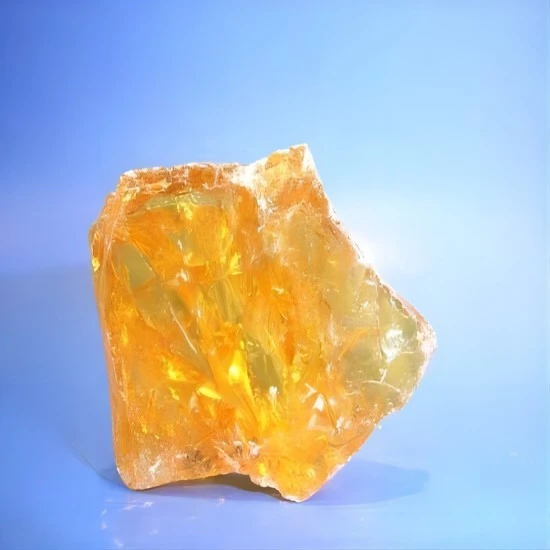
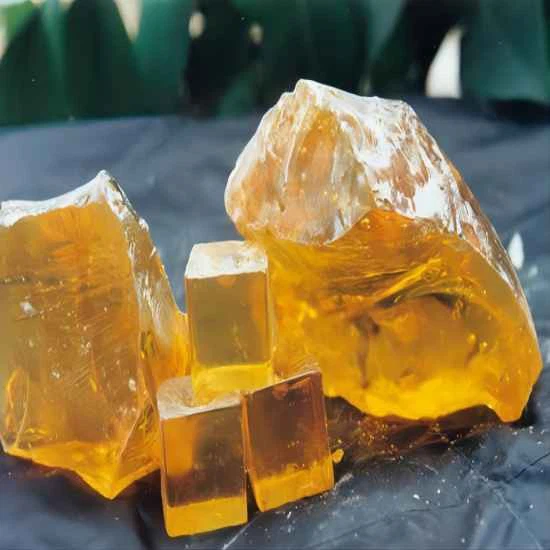
Before delving into the disposal methods, it's essential to understand what violin rosin is. Violin rosin is a solid form of resin derived from pine trees or other conifers. It is used to create friction between the bow hair and the strings of a violin, allowing the instrument to produce sound. The rosin comes in different types, including Natural Rosin, which is made from natural resins, and Quality Rosin, which is often refined to meet high - quality standards. We also offer Bulk Rosin for those who need larger quantities.
Over time, rosin can become old and less effective. It may accumulate dust, dirt, and other debris, or it might simply lose its stickiness. When this happens, it's time to replace the rosin, and that's when proper disposal becomes necessary.
Why Proper Disposal Matters
Proper disposal of old violin rosin is crucial for several reasons. Firstly, from an environmental perspective, violin rosin is a natural product, but improper disposal can still have negative impacts. If rosin is dumped into water bodies, it can affect aquatic life. The chemicals and contaminants that the old rosin may have picked up over time can be harmful to fish, plants, and other organisms in the water.
Secondly, as a rosin supplier, we are committed to upholding high - quality standards. By encouraging proper disposal, we can ensure that our customers are using fresh and clean rosin, which in turn enhances the performance of their violins. A well - maintained violin with good - quality rosin produces better sound, and this reflects positively on our brand.
Disposal Methods
Recycling
One of the most environmentally friendly ways to dispose of old violin rosin is through recycling. Although violin rosin recycling is not as common as other types of recycling, some specialized recycling facilities may accept it. These facilities can break down the rosin and reuse the materials to make new rosin or other products.
To find a recycling facility that accepts violin rosin, you can start by contacting your local waste management department. They may have information on recycling programs or facilities in your area. You can also search online for recycling centers that deal with natural resins or musical instrument supplies.
Composting
If you have access to a composting system, old violin rosin can be added to the compost pile. Since rosin is a natural product derived from trees, it will eventually break down in the compost. However, it's important to note that rosin breaks down relatively slowly compared to other organic materials. You should break the rosin into small pieces before adding it to the compost to speed up the decomposition process.
When composting rosin, make sure to monitor the compost pile regularly. If you notice any signs of mold or unpleasant odors, it may be necessary to adjust the composting conditions, such as adding more oxygen or balancing the carbon - to - nitrogen ratio.
Trash Disposal
If recycling or composting is not an option, you can dispose of old violin rosin in the regular trash. However, it's important to take some precautions. Place the old rosin in a sealed plastic bag to prevent it from sticking to other items in the trash. This also helps to contain any dust or debris that may be on the rosin.
Avoid throwing large chunks of rosin directly into the trash. Break it into smaller pieces if possible, as this will make it easier to handle and reduce the risk of the rosin getting stuck in the trash collection equipment.
Preventing the Need for Frequent Disposal
As a rosin supplier, I also want to share some tips on how to prevent the rosin from becoming old and ineffective too quickly.
- Keep the rosin clean: After each use, wipe the rosin with a clean, dry cloth to remove any dust or debris. This will help to maintain its stickiness and prevent the accumulation of contaminants.
- Store the rosin properly: Store the rosin in a cool, dry place. Avoid exposing it to extreme temperatures or humidity, as this can affect its quality. A rosin case or a small container can be used to protect the rosin from dust and damage.
- Use the rosin sparingly: Applying too much rosin at once can lead to a build - up of excess rosin on the bow and strings. This not only makes the violin sound harsh but also causes the rosin to become dirty more quickly. Use a light touch when applying rosin to the bow.
Conclusion
Disposing of old violin rosin is an important aspect of violin maintenance that should not be overlooked. As a rosin supplier, we are dedicated to providing high - quality products and promoting responsible practices. By following the proper disposal methods outlined in this blog, you can ensure that you are doing your part for the environment while also getting the most out of your violin.
If you are interested in purchasing high - quality violin rosin, whether it's Natural Rosin, Quality Rosin, or Bulk Rosin, we invite you to contact us for further details and to discuss your specific needs. We look forward to serving you and helping you enhance the performance of your violin.
References
- Local waste management guidelines
- Studies on the environmental impact of natural resin disposal
- Research on the properties and decomposition of violin rosin