

Hey there! As a rosin glue supplier, I often get asked some pretty interesting questions about our product. One question that pops up quite often is, "Does rosin glue expand when drying?" Let's dig into this topic and find out what's really going on.
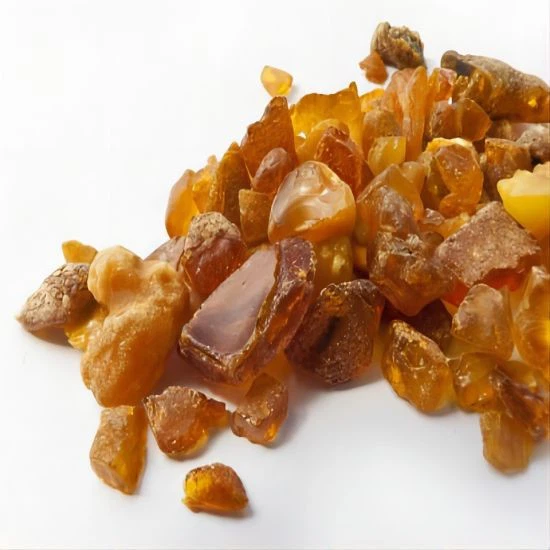
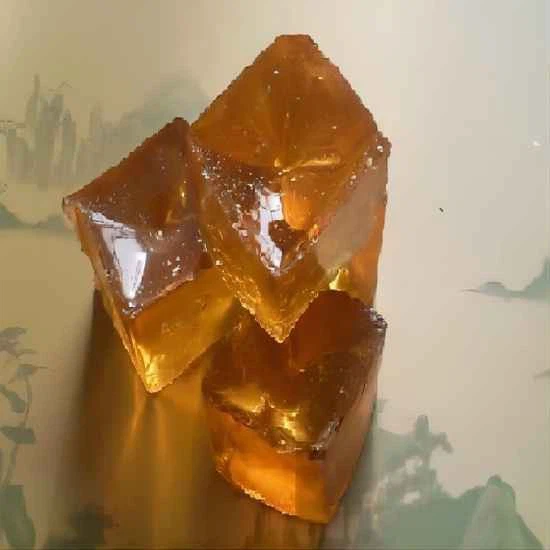
First off, let's talk a bit about rosin glue. Rosin is a natural resin that comes from pine trees. It's been used for centuries in various applications, from making musical instrument bows smoother to gluing things together. At our place, we offer different types of rosin products, like Pure Rosin, Natural Rosin, and Bulk Rosin. They each have their unique properties, but the main question here is about expansion during drying.
When it comes to the drying process of rosin glue, the key to understanding expansion lies in the way the water or solvent in the glue evaporates. Most rosin glues are in a liquid or semi - liquid form when you apply them. This is because they are mixed with some kind of carrier, usually water or a solvent, to make them easy to spread. When the glue starts to dry, this carrier begins to evaporate into the air.
In general, the natural tendency of rosin glue is not to expand as it dries. Instead, it typically contracts. You see, as the water or solvent molecules leave the glue, the remaining rosin and other solid components come closer together. This leads to a reduction in volume, which is the opposite of expansion. It's a bit like when you have a wet sponge and it dries out - it gets smaller.
However, there are some factors that can make it seem like the rosin glue is expanding. One such factor is the presence of air bubbles. If you don't mix the rosin glue properly or apply it in a way that traps air, these bubbles can create the illusion of expansion. As the glue dries and the heat from the environment or the natural exothermic reaction of drying causes the air inside the bubbles to expand, it can make the glue look like it's getting bigger. But this isn't true expansion of the rosin glue itself; it's just the air inside the bubbles doing its thing.
Another factor is the type of surface the glue is applied to. If the surface is porous, like wood or some types of paper, the glue can seep into the pores. As it dries and hardens in these pores, it can give the impression of expansion on the surface. But again, this is more of a filling - in effect rather than the glue actually expanding in the traditional sense.
The temperature and humidity of the environment also play a big role. In a high - humidity environment, the drying process of rosin glue slows down. The water in the air can interfere with the evaporation of the water or solvent in the glue. Sometimes, this can cause the glue to form a skin on the surface while still being wet inside. If the internal moisture then tries to escape later, it can cause local unevenness and give the appearance of expansion. On the other hand, in a very low - humidity environment, the glue dries too quickly. This rapid drying can result in cracking instead of expansion, as the outer layer dries and hardens before the inner part has a chance to adjust.
How the glue is formulated can also affect the perception of expansion. Some manufacturers add additives to rosin glue to improve its properties, like making it more flexible or resistant to heat. These additives can sometimes change the drying behavior of the glue. For example, a plasticizer additive can make the glue soften as it dries, and this might cause a slight bulging or spreading that looks like expansion.
Let's talk about the implications of all this. If you're using rosin glue for a project where precision is key, like in woodworking or making small crafts, the contraction or the false appearance of expansion can be a big deal. You need to plan ahead and account for these changes. For instance, if you're gluing two pieces of wood together, you might need to apply a bit more pressure during the drying process to ensure a tight bond, especially if you're worried about the contraction. If you're dealing with the air - bubble issue, make sure to stir the glue well before use and apply it carefully to avoid trapping air.
As a supplier, we know that getting the right rosin glue for your needs is important. That's why we offer a variety of options, whether you need Pure Rosin for a high - purity application, Natural Rosin for a more eco - friendly choice, or Bulk Rosin if you're working on a large - scale project.
If you're interested in finding out more about our rosin glue products or have any questions about their application, we're here to help. Whether you're a small - time crafter or a big - time manufacturer, we can work with you to find the best solution for your needs. Just reach out to us, and we'll start a conversation about how our rosin glue can fit into your projects.
In conclusion, while rosin glue generally contracts as it dries, there are several factors that can make it seem like it's expanding. Understanding these factors can help you use the glue more effectively and get better results in your projects. So, next time you're using rosin glue, keep these things in mind and you'll be on your way to a successful bonding experience.
References:
- General knowledge about rosin and glue chemistry
- Industry - specific research on rosin - based adhesives