

Hey there! As a yellow rosin supplier, I often get asked if yellow rosin can be recycled. It's a great question, and one that's becoming increasingly important as we all look for ways to be more sustainable. So, let's dive into this topic and see what we can find out.
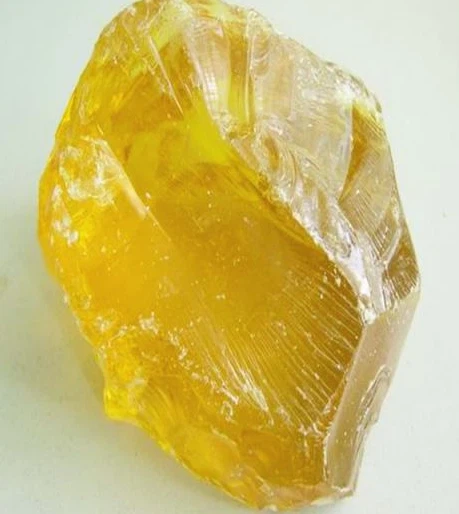
First off, let's talk a bit about what yellow rosin is. Yellow rosin is a natural resin that comes from pine trees. It's got a bunch of uses, like in the production of adhesives, paints, and even some musical instruments. It's a pretty versatile substance, and that's why it's in high demand.
Now, to the big question: can it be recycled? The short answer is yes, yellow rosin can be recycled. But like most things, it's not always that simple.
One of the main ways to recycle yellow rosin is through a process called distillation. Distillation is a method where you heat the rosin to separate it into its different components. The impurities and unwanted substances get left behind, and you're left with a purer form of rosin that can be used again. This process not only helps in recycling the rosin but also improves its quality. You can check out more about high - quality rosin on this page: Quality Rosin.
Another way to recycle yellow rosin is by reusing it in some applications. For example, in the adhesive industry, if the rosin is still in a usable condition after its first use, it can be incorporated into new adhesive formulations. This reduces the need for fresh rosin and cuts down on waste.
But there are some challenges when it comes to recycling yellow rosin. One of the biggest issues is contamination. If the rosin has been mixed with other substances during its use, it can be really hard to separate them and recycle the rosin effectively. For instance, if it's been used in a paint that contains other chemicals, those chemicals can make the recycling process more complicated.
Also, the cost of recycling can be a factor. The distillation process and other recycling methods require energy and specialized equipment. Sometimes, the cost of recycling might be higher than just producing new rosin from scratch. However, as technology advances and the demand for sustainable products grows, the cost of recycling is likely to come down.
When it comes to the environmental impact, recycling yellow rosin is definitely a good thing. By recycling, we reduce the amount of waste going to landfills. Since yellow rosin is a natural product, it can decompose over time, but in landfills, this process can be slow, and it might release methane, a potent greenhouse gas. Recycling also reduces the need to harvest more pine trees for new rosin production, which helps in forest conservation.
Now, if you're in the market for yellow rosin, whether it's for new production or to incorporate recycled rosin into your processes, we've got you covered. We offer Pure Rosin that meets high - quality standards. Our rosin is sourced from sustainable forests, so you can feel good about using it. And if you're interested in natural rosin options, check out Natural Rosin.
We're always open to having a chat about your specific needs. Whether you're a small business looking for a small quantity or a large manufacturer with high - volume requirements, we can work together to find the best solution. If you want to discuss your yellow rosin requirements, feel free to reach out. We're happy to provide samples, answer your questions, and talk about pricing and delivery options.
In conclusion, yellow rosin can definitely be recycled, and there are good reasons to do so. It's better for the environment, and as technology improves, it's becoming a more viable option. If you're in the market for yellow rosin, whether you're interested in recycling or just getting high - quality rosin for your projects, we're here to serve you. Let's work together towards a more sustainable future with yellow rosin.

References:
- Various industry reports on rosin production and recycling
- Scientific studies on the properties and recycling of natural resins