

As a supplier of raw linseed oil, I often encounter various inquiries about the applications of our product. One question that frequently comes up is whether raw linseed oil can be used on copper. In this blog post, I'll delve into this topic, exploring the science behind it, the potential benefits, and any precautions you should take.
Understanding Raw Linseed Oil
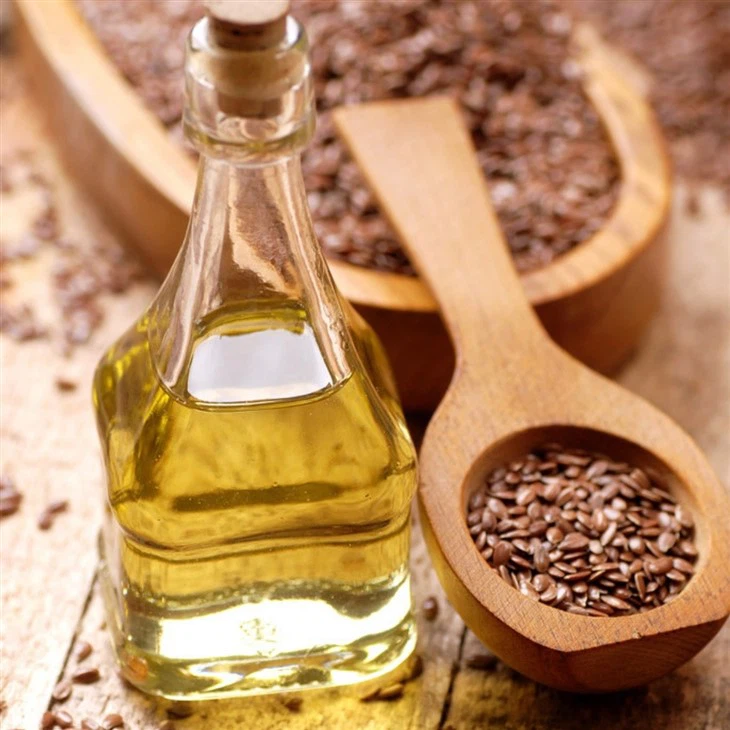
Before we discuss its use on copper, let's first understand what raw linseed oil is. Linseed oil is derived from the seeds of the flax plant (Linum usitatissimum). There are two main types: raw and boiled. Raw linseed oil is the natural, unprocessed form, while boiled linseed oil has been treated with additives to speed up the drying process.
Raw linseed oil is known for its excellent binding and waterproofing properties. It has been used for centuries in various applications, including wood finishing, painting, and even as a dietary supplement [1]. You can find more information about the different types of linseed oil on our website, such as Natural Linseed Oil, Edible Linseed Oil, and Pure Linseed Oil.
The Science of Using Raw Linseed Oil on Copper
Copper is a widely used metal known for its excellent conductivity, malleability, and corrosion resistance. However, over time, copper can react with oxygen, moisture, and other substances in the environment, leading to the formation of a patina. A patina is a thin layer of corrosion that can change the appearance of copper from its original shiny surface to a dull, greenish color.
Raw linseed oil can be used on copper as a protective coating. When applied to the surface of copper, the oil forms a thin, protective film. This film acts as a barrier, preventing oxygen, moisture, and other corrosive agents from coming into contact with the copper. As a result, the formation of patina can be slowed down, and the copper can maintain its original appearance for a longer time.
The process of using raw linseed oil on copper involves oxidation. When exposed to air, the unsaturated fatty acids in raw linseed oil react with oxygen, forming a polymerized film. This film is not only protective but also has a certain degree of flexibility, which can adapt to the expansion and contraction of copper due to temperature changes.
Benefits of Using Raw Linseed Oil on Copper
Protection Against Corrosion
As mentioned earlier, the primary benefit of using raw linseed oil on copper is to protect it from corrosion. By creating a barrier between the copper and the environment, the oil helps to prevent the formation of patina and other forms of corrosion. This is especially important for copper items that are exposed to harsh environments, such as outdoor sculptures, roofing, and plumbing fixtures.
Aesthetic Enhancement
In addition to protection, raw linseed oil can also enhance the aesthetic appeal of copper. The oil can give the copper a warm, rich finish, similar to the effect of an antique patina. This can add a touch of elegance and character to copper items, making them more visually appealing.
Easy Application and Maintenance
Applying raw linseed oil to copper is relatively easy. You can use a clean cloth or a brush to apply a thin layer of oil to the surface of the copper. After application, allow the oil to dry for several hours or even days, depending on the temperature and humidity. Once the oil is dry, you can buff the surface with a clean cloth to achieve a smooth, shiny finish.
Maintaining the protective coating is also simple. You can reapply the oil every few months or as needed to ensure continuous protection.
Precautions When Using Raw Linseed Oil on Copper
Drying Time
One of the main drawbacks of using raw linseed oil is its long drying time. Unlike boiled linseed oil, which dries relatively quickly, raw linseed oil can take several days to dry completely. This means that you need to be patient and allow sufficient time for the oil to dry before using or handling the copper item.
Fire Hazard
Raw linseed oil is flammable, especially when it is in the process of drying. When the oil oxidizes, it generates heat, which can cause spontaneous combustion if the oil-soaked rags or brushes are not stored properly. To prevent this, make sure to store oil-soaked materials in a metal container filled with water or in a well-ventilated area away from heat sources.
Compatibility with Other Finishes
If the copper item has already been coated with another finish, such as paint or lacquer, you need to make sure that the raw linseed oil is compatible with the existing finish. In some cases, the oil may react with the existing finish, causing it to peel or discolor. It is recommended to test a small, inconspicuous area first before applying the oil to the entire surface.
How to Apply Raw Linseed Oil to Copper
Step 1: Clean the Copper Surface
Before applying the oil, make sure the copper surface is clean and free of dirt, grease, and other contaminants. You can use a mild soap and water solution to clean the copper, followed by a thorough rinse and drying.

Step 2: Apply the Oil
Using a clean cloth or a brush, apply a thin layer of raw linseed oil to the copper surface. Make sure to cover the entire surface evenly. Avoid applying too much oil, as this can lead to a sticky and uneven finish.
Step 3: Let the Oil Dry
Allow the oil to dry for several hours or days, depending on the temperature and humidity. You can check if the oil is dry by touching the surface gently. If it feels dry and non-sticky, it is ready for the next step.
Step 4: Buff the Surface
Once the oil is dry, you can buff the surface with a clean, soft cloth to achieve a smooth, shiny finish. This will also help to remove any excess oil and enhance the appearance of the copper.
Conclusion
In conclusion, raw linseed oil can be used on copper as a protective coating and aesthetic enhancer. It offers several benefits, including protection against corrosion, aesthetic enhancement, and easy application and maintenance. However, you need to be aware of the precautions, such as the long drying time, fire hazard, and compatibility with other finishes.
If you are interested in using raw linseed oil for your copper items or have any questions about our products, please feel free to contact us for a purchase negotiation. We are committed to providing high-quality raw linseed oil and excellent customer service.
References
[1] "Linseed Oil: Properties and Uses." Encyclopedia Britannica. Accessed [Date].