

Hey there! As a supplier of Pure Linseed Oil, I often get asked if it can be used in the production of packaging materials. Well, let's dive right into this topic and explore the ins and outs of using pure linseed oil in the packaging world.
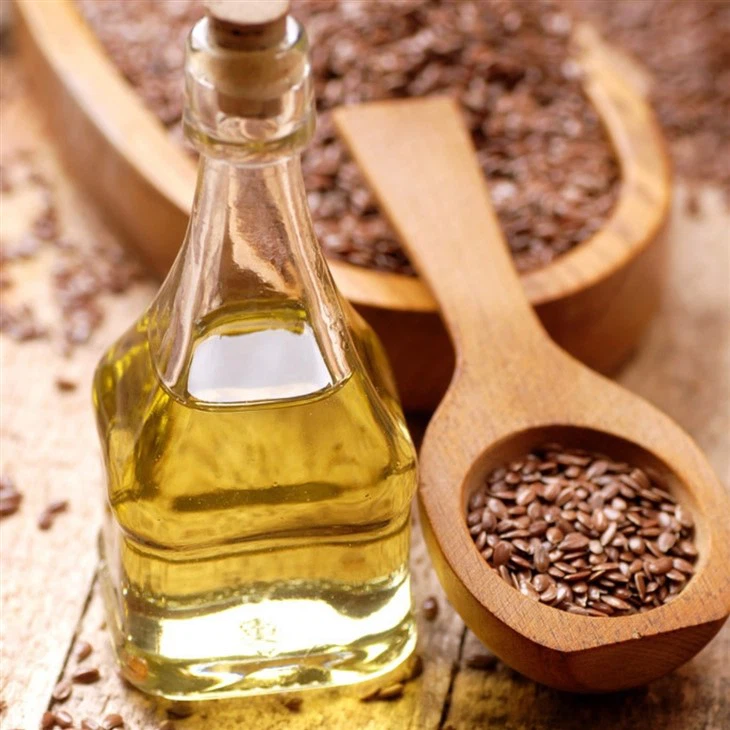
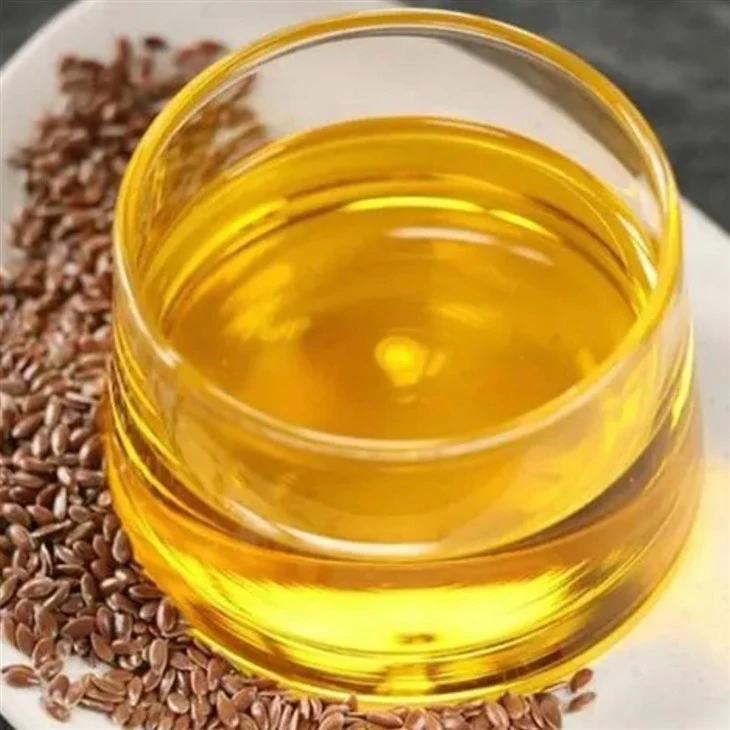
First off, what exactly is pure linseed oil? Pure linseed oil is derived from the seeds of the flax plant. It's a natural and renewable resource, which is a huge plus in today's eco - conscious world. You can learn more about it on this page: Pure Linseed Oil. There are also related types like Natural Linseed Oil and Raw Linseed Oil, but for this discussion, we'll focus on the pure stuff.
One of the key properties of pure linseed oil is its ability to form a hard, durable film when it dries. This film - forming characteristic makes it an interesting candidate for packaging materials. When applied to a surface, it can act as a protective barrier. For example, in the case of paper - based packaging, a thin layer of pure linseed oil can help prevent moisture from seeping in. Moisture is a big enemy for many products, especially those that are sensitive to humidity, like food items or electronics. By creating a moisture - resistant layer, the linseed oil can extend the shelf - life of the products inside the packaging.
Another advantage of using pure linseed oil in packaging is its environmental friendliness. In a world where consumers are increasingly concerned about the environmental impact of the products they buy, using natural and biodegradable materials in packaging can be a major selling point. Pure linseed oil is biodegradable, which means that once the packaging is discarded, it won't sit in landfills for hundreds of years like some synthetic materials do. This can help companies reduce their carbon footprint and appeal to environmentally - conscious customers.
But it's not all sunshine and rainbows. There are some challenges to using pure linseed oil in packaging production. One of the main issues is the drying time. Pure linseed oil can take a relatively long time to dry, especially in humid conditions. This can slow down the production process of packaging materials, which is a big problem for manufacturers who need to produce large quantities of packaging quickly. To speed up the drying process, some additives can be used, but these additives might compromise the natural and eco - friendly nature of the linseed oil.
The odor of pure linseed oil can also be a drawback. It has a distinct, somewhat strong smell that might not be appealing to everyone. This can be a particular problem when it comes to packaging food products. The smell could potentially transfer to the food, altering its taste and aroma. So, if linseed oil is to be used in food packaging, special measures need to be taken to ensure that the odor doesn't affect the product inside.
In terms of cost, pure linseed oil might be more expensive than some synthetic alternatives. The production process of extracting linseed oil from flax seeds is labor - intensive, and the supply of flax seeds can be affected by factors like weather conditions and agricultural policies. This can lead to fluctuations in the price of pure linseed oil, which can make it a less attractive option for some packaging manufacturers who are on a tight budget.
Despite these challenges, there are ways to overcome them. For the drying time issue, new technologies are being developed to accelerate the drying of pure linseed oil without using harsh chemicals. Some research is focused on using natural catalysts or modifying the linseed oil itself to make it dry faster. As for the odor problem, scientists are exploring ways to mask or reduce the smell of linseed oil. For example, using essential oils or other natural fragrances to counteract the linseed oil odor.
In terms of cost, as the demand for natural and sustainable packaging materials grows, the production of pure linseed oil is likely to become more efficient. Economies of scale can come into play, which could lead to a decrease in the price of pure linseed oil over time. Additionally, some companies might be willing to pay a premium for a more environmentally - friendly packaging option, especially if it can enhance their brand image.
So, can pure linseed oil be used in the production of packaging materials? The answer is yes, but with some caveats. It has some great properties that make it a viable option, such as its film - forming ability and environmental friendliness. However, the challenges of drying time, odor, and cost need to be addressed.
If you're a packaging manufacturer or someone interested in exploring the use of pure linseed oil in packaging materials, I'd love to have a chat with you. We can discuss how we can work together to overcome the challenges and make the most of the benefits of pure linseed oil. Whether you need a small sample to test in your production process or are looking to place a large order, we're here to help.
References
- "The Chemistry of Linseed Oil and Its Applications" - Journal of Natural Materials Research
- "Sustainable Packaging: The Role of Natural Oils" - International Journal of Packaging Science and Technology