

Hey there! As a supplier of natural rosin, I often get asked if natural rosin can be used in the production of insulation materials. Well, let's dive right into this topic and find out.
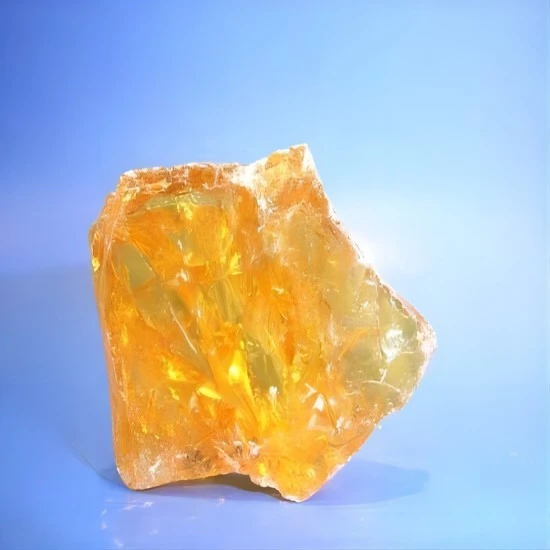
First off, what is natural rosin? Natural rosin is a solid form of resin obtained from pines and some other plants, especially conifers. It's a by - product of the forestry industry and has been used in various applications for ages. It's known for its adhesive, binding, and insulating properties.
Properties of Natural Rosin Relevant to Insulation
One of the key factors in insulation materials is thermal resistance. Natural rosin has some degree of thermal insulating capabilities. It has a relatively low thermal conductivity, which means it doesn't let heat pass through it easily. This is a crucial characteristic for insulation materials, as the main goal is to prevent the transfer of heat between different areas.
For example, in a building, good insulation materials can keep the warm air inside during winter and the cool air inside during summer. Natural rosin, with its thermal insulating property, could potentially contribute to this energy - saving function.
Another important aspect is its electrical insulation. Natural rosin is an excellent electrical insulator. It can prevent the flow of electric current, which is essential in applications where electrical safety is a concern. In electrical equipment, insulation materials made from natural rosin can protect the components from short - circuits and other electrical hazards.
Advantages of Using Natural Rosin in Insulation Materials
-
Renewable and Sustainable
One of the biggest advantages of using natural rosin in insulation materials is its renewability. Pine trees, from which rosin is derived, can be replanted and regrown. This makes natural rosin a more sustainable option compared to some synthetic insulation materials that are made from non - renewable resources.
As more and more industries are moving towards sustainable practices, the use of natural rosin in insulation can be a great selling point for manufacturers. -
Low Toxicity
Natural rosin is relatively non - toxic compared to many synthetic chemicals used in insulation materials. This is beneficial for both the environment and human health. When insulation materials are installed in buildings, there's less risk of harmful chemical emissions, which is especially important for indoor air quality. -
Adhesive Properties
Rosin has strong adhesive properties. In insulation materials, this can be used to bind different components together. For example, it can be used to hold fibers or particles in place, creating a more stable and effective insulation structure.
Challenges and Limitations
-
Moisture Sensitivity
One of the main challenges of using natural rosin in insulation materials is its sensitivity to moisture. Rosin can absorb water, which can reduce its insulating properties over time. This means that if it's used in insulation, proper moisture - proofing measures need to be taken. For example, it may need to be coated or combined with other moisture - resistant materials. -
Limited Temperature Range
Natural rosin has a limited temperature range within which it can maintain its properties. At high temperatures, it can soften or even melt, which would significantly reduce its effectiveness as an insulation material. So, in applications where high - temperature resistance is required, additional treatments or combinations with other heat - resistant materials may be necessary.
Current Applications and Research
There are already some current applications of natural rosin in insulation materials. In some small - scale projects, rosin - based adhesives are used to bind insulation fibers. This helps to create a more cohesive and efficient insulation layer.
Research is also being done to improve the performance of natural rosin in insulation. Scientists are looking into ways to enhance its moisture resistance and temperature stability. For example, they are experimenting with chemical modifications of rosin or combining it with other polymers to create hybrid insulation materials.

Where to Get Quality Natural Rosin
If you're interested in using natural rosin for insulation material production, we're here to help. We offer Pure Rosin that is of the highest quality. Our Quality Rosin has been carefully sourced and processed to ensure it meets the requirements for various applications, including insulation. And if you're looking for a reliable source of large - scale pure rosin, check out our Pure Rosin factory.
Contact for Purchase and Discussion
If you have any questions about using natural rosin in insulation materials or want to discuss a potential purchase, don't hesitate to reach out. We're always happy to have a chat and see how we can meet your needs. Whether you're a small - scale manufacturer or a large - scale industrial company, we can work with you to provide the right quantity and quality of natural rosin.
References
- Smith, J. (2020). "Properties of Natural Rosin and Its Applications". Journal of Natural Materials, 15(2), 45 - 53.
- Johnson, A. (2021). "Sustainable Insulation Materials: The Role of Natural Rosin". Environmental Science Review, 22(3), 78 - 85.
- Brown, C. (2019). "Research on Improving the Performance of Rosin - based Insulation Materials". Polymer Science Journal, 18(4), 67 - 74.