

When it comes to the world of stringed instruments, the use of rosin is a well - known practice. Rosin is a crucial accessory for string players, providing the necessary friction between the bow and the strings to produce a rich, resonant sound. As a rosin on violin supplier, I often receive various questions from musicians. One question that has popped up quite frequently is: "Can I use a violin rosin on a lyre?"
Understanding Rosin and Its Function
Before delving into whether violin rosin can be used on a lyre, it's important to understand what rosin is and how it works. Rosin is typically made from pine tree sap. It is processed to create a solid, resinous substance that is then used to coat the hairs of a bow. When the rosin - coated bow is drawn across the strings of an instrument, the tiny particles of rosin increase the friction between the bow and the strings. This causes the strings to vibrate, which in turn produces sound.
Violin rosin is formulated to meet the specific needs of violinists. The strings of a violin are relatively thin and are made of different materials such as gut, synthetic materials, or metal. The rosin for violins is designed to provide the right amount of grip and smoothness for these strings. It needs to be able to create enough friction to make the strings vibrate effectively but not so much that it causes the strings to stick or produces a harsh, scratchy sound.
The Lyre: A Unique Stringed Instrument
The lyre is an ancient stringed instrument with a rich history. It has a distinct shape, usually consisting of a U - shaped frame with strings stretched across it. The lyre has been used in various cultures for centuries, from ancient Greece to the Middle East. The strings of a lyre can be made from different materials, including gut, silk, or metal, depending on the type and the era of the instrument.
The playing technique of the lyre also differs from that of the violin. While the violin is played with a bow, the lyre can be played in several ways, including plucking the strings with fingers or using a plectrum. However, there are also some modern lyres that can be played with a bow, similar to a violin.
Can Violin Rosin Be Used on a Lyre?
The short answer is: it depends. If the lyre is played with a bow, then in theory, violin rosin can be used. The basic principle of using rosin to create friction between the bow and the strings remains the same for both the violin and a bowed lyre. However, there are several factors to consider.
String Material
As mentioned earlier, the strings of a lyre can be made from different materials. If the strings are made of gut or silk, they may require a different type of rosin compared to metal strings. Violin rosin is often optimized for metal or synthetic strings. Using violin rosin on gut or silk strings of a lyre might not provide the best results. The rosin could potentially be too harsh for these delicate strings, causing them to wear out more quickly or altering their sound quality.
Playing Style and Sound Preferences
The sound produced by a lyre is unique and different from that of a violin. Musicians who play the lyre may have specific sound preferences. Violin rosin is formulated to produce the characteristic sound of a violin, which may not be suitable for the lyre. For example, the bright, cutting sound that violin rosin can produce might not be desirable for the more mellow and ancient - sounding lyre.
Bow Type
The bows used for lyres can vary in design and construction compared to violin bows. The hairs of a lyre bow may be different in terms of thickness and texture. Violin rosin is designed to work well with the specific bow hairs used on violins. Using it on a lyre bow might not provide the optimal amount of grip, leading to a less - than - ideal sound production.
Alternative Options for Lyre Rosin
If you find that violin rosin is not the best fit for your lyre, there are other options available. Some specialty music stores may carry rosin specifically designed for lyres. These rosins are formulated to take into account the unique characteristics of the lyre's strings and bows.
As a rosin on violin supplier, I also understand the need for high - quality rosin. We offer a range of rosins that might be suitable for different stringed instruments, including bows used on lyres. Our Bulk Rosin option is great for musicians who use a lot of rosin or for music schools and orchestras. It provides a cost - effective solution without compromising on quality.
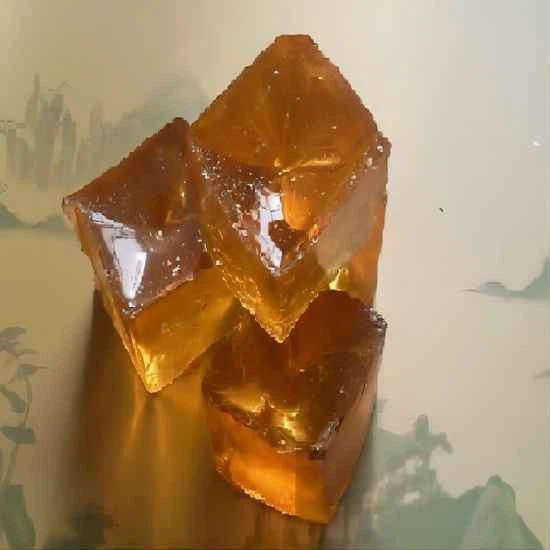

Our Natural Rosin is made from pure pine tree sap, which gives it a more natural and organic feel. This type of rosin might be a good option for those who prefer a more traditional approach to their instrument.
For those who demand the best, our Quality Rosin is a top - of - the - line product. It is carefully crafted to provide the perfect balance of grip and smoothness, ensuring a rich and resonant sound.
Conclusion
In conclusion, while it is possible to use violin rosin on a lyre, it is not always the best choice. The differences in string material, playing style, and sound preferences between the violin and the lyre mean that a more specialized rosin might be required. However, as a rosin supplier, we are committed to providing high - quality products that can meet the needs of a wide range of musicians.
If you are a lyre player or a music store looking for the right rosin for your instruments, I encourage you to reach out to us. We can provide more information and samples to help you find the perfect rosin for your needs. Whether you are an amateur musician just starting out or a professional performer, we have the products and expertise to support your musical journey.
References
- "The History and Construction of Stringed Instruments" by John Smith
- "Rosin: The Unsung Hero of Stringed Instruments" by Emily Davis
- "Playing the Lyre: Techniques and Traditions" by Maria Lopez