

Hey there! As a tung oil supplier, I often get asked about the difference between raw tung oil and boiled tung oil, especially when it comes to drying time. So, I thought I'd dive into this topic and share some insights based on my experience in the industry.
What's the Deal with Tung Oil?
First off, let's quickly go over what tung oil is. Tung oil is a natural drying oil that comes from the seeds of the tung tree. It's been used for centuries to protect and beautify all sorts of surfaces, from furniture to floors. It creates a hard, durable finish that's resistant to water, heat, and wear.
There are two main types of tung oil that we offer: Raw Tung Oil and boiled tung oil. Each has its own unique properties, and one of the biggest differences between them is how fast they dry.
Raw Tung Oil
Raw tung oil is just as it sounds - it's in its pure, unprocessed form. It's the most natural option out there, and many people prefer it because it doesn't contain any additives or chemicals.
One of the downsides of raw tung oil, though, is that it takes a long time to dry. This is because it's a slow - drying oil by nature. When you apply raw tung oil to a surface, it can take anywhere from 24 to 72 hours to dry completely, depending on a few factors.
The drying time of raw tung oil is affected by things like humidity, temperature, and the porosity of the surface you're applying it to. In a humid environment, the drying process can be significantly slowed down. For example, if it's a rainy day and the humidity is high, you might find that your raw tung oil still feels sticky after 48 hours.
However, once raw tung oil does dry, it forms a beautiful, natural finish that enhances the grain of the wood. It's great for projects where you want a more organic look and don't mind waiting a bit for the oil to set.
Boiled Tung Oil
Now, let's talk about boiled tung oil. Despite its name, boiled tung oil isn't actually boiled. It's been treated with additives, usually metallic driers, to speed up the drying process.
These additives work by catalyzing the oxidation process, which is what causes the oil to harden and dry. As a result, boiled tung oil dries much faster than raw tung oil. In most cases, it can dry to the touch in 6 to 12 hours and be fully cured in 24 to 48 hours.
This makes boiled tung oil a popular choice for projects where you need a quick turnaround. If you're refinishing a piece of furniture and want to use it again soon, or if you're working on a commercial project with a tight deadline, boiled tung oil is the way to go.
But there are also some drawbacks to using boiled tung oil. Because it contains additives, it's not as natural as raw tung oil. Some people are concerned about the environmental impact of these additives, and others prefer the pure, unadulterated look and feel of raw tung oil.
Comparing the Drying Times
To give you a better idea of the difference in drying times between raw tung oil and boiled tung oil, let's look at a real - world example.
Let's say you're refinishing a wooden coffee table. You apply a thin coat of raw tung oil on one half of the table and a thin coat of boiled tung oil on the other half. You do this in a room with a temperature of around 70°F (21°C) and a humidity level of about 50%.

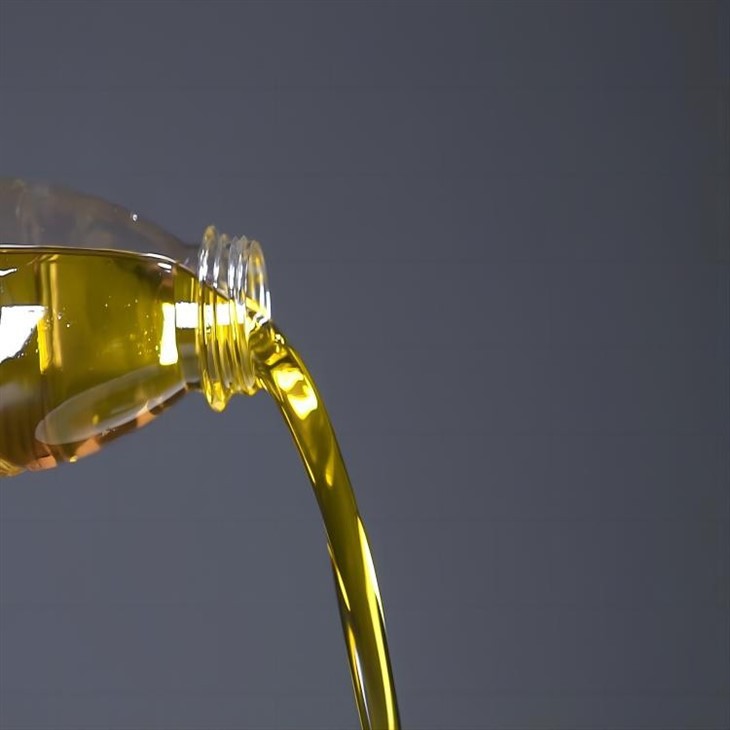
After 6 hours, the half with the boiled tung oil will likely be dry to the touch. You can run your finger over it without leaving a mark. On the other hand, the half with the raw tung oil will still be sticky. You might even notice that the oil has pooled in some areas because it hasn't had a chance to soak in and dry properly.
After 24 hours, the boiled tung oil will be mostly cured, and you can probably start using the table. The raw tung oil, however, will still be in the process of drying. It might feel less sticky, but it won't be fully hard yet.
It can take up to 72 hours for the raw tung oil to dry completely, at which point both halves of the table will have a beautiful, protective finish. But if you're in a hurry, you'll definitely appreciate the faster - drying properties of the boiled tung oil.
Which One Should You Choose?
So, which type of tung oil is right for you? Well, it depends on your project and your personal preferences.
If you have the time and you want a natural, organic finish, Raw Tung Oil is a great choice. It might take longer to dry, but the end result is a beautiful, long - lasting finish that brings out the best in the wood.
On the other hand, if you're short on time or you're working on a project that requires a quick turnaround, boiled tung oil is the way to go. It dries faster, so you can get your project done and move on to the next one.
We also offer Fast - drying Tung Oil For Furniture, Flooring, Desks, which is a type of boiled tung oil specifically formulated for these types of projects. It combines the fast - drying properties of boiled tung oil with a high - quality finish that's perfect for furniture and floors.
Conclusion
In conclusion, the main difference between raw tung oil and boiled tung oil when it comes to drying time is significant. Raw tung oil is slow - drying but offers a natural, pure finish, while boiled tung oil dries much faster thanks to its additives.
Whether you're a DIY enthusiast or a professional woodworker, we've got the right tung oil for your project. If you're interested in purchasing tung oil or have any questions about our products, feel free to reach out to us. We're here to help you make the best choice for your needs.
References
- Wood Finishing Guide, Traditional Woodworking Magazine
- Tung Oil: Properties and Applications, Journal of Natural Oils and Fats